

More than half of US consumers would consider China-made vehicles, report finds


- 51% of US consumers would consider buying a China-made vehicle, rising to 77% for those under 35
- Nearly 30% of consumers open to Chinese brands would consider vehicles priced at $45,000 or more
- EV demand fell sharply as incentives disappeared; one GM dealer saw sales drop from hundreds to dozens monthly
- 64% of dealers expect M&A activity to increase over the next 12 months as consolidation accelerates
- 59% of AI-using consumers rate AI highly for importance in their vehicle purchase decisions

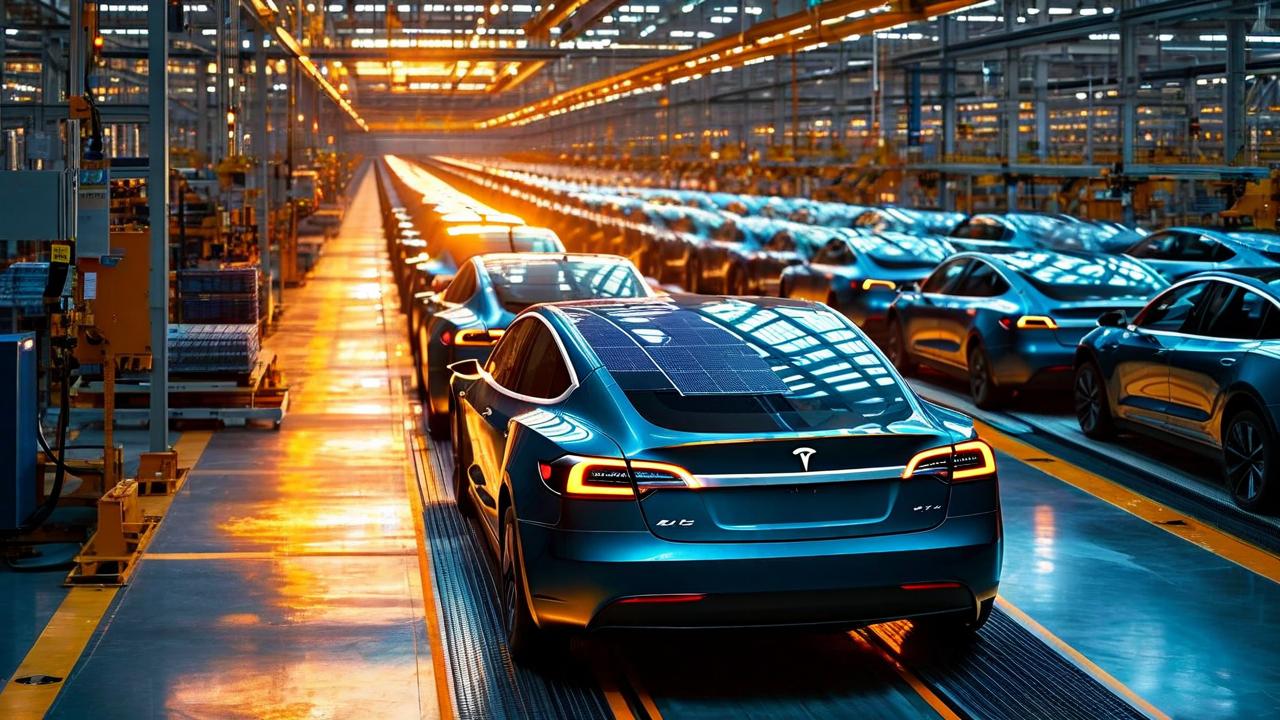

*this image is generated using AI for illustrative purposes only.
More than half of US consumers would consider purchasing a China-made vehicle, according to Dave Cantin Group’s 2026 mid-year Market Outlook Report. The survey reveals significant openness among younger demographics, with 77% of consumers under age 35 willing to buy such vehicles.
The report, produced in partnership with The Martec Group, highlights shifting consumer preferences amid affordability pressures. While 51% of all US consumers expressed willingness to consider Chinese brands, this figure drops to 36% for those aged 55 and older. Notably, nearly 30% of consumers open to China-made vehicles indicated they would consider models priced at $45,000 or more, suggesting the opportunity extends beyond the entry-level market segment.
What the Numbers Show
The data indicates a divergence between generational attitudes toward country-of-origin and price sensitivity. While younger consumers (under 35) show high acceptance (77%) of Chinese brands, the willingness to pay a premium ($45,000+) remains limited to a subset (nearly 30%) of the broader pool of interested buyers. This suggests that while brand resistance is fading among youth, price competitiveness remains a critical factor for mass adoption across all age groups.
Affordability Reshapes Product Strategy
Affordability concerns are driving changes in OEM product strategies. With average new-vehicle transaction prices around $50,000 and monthly payments significantly higher than five years ago, consumers are forcing manufacturers to align products with buyer budgets. Electric vehicle demand has fallen sharply as federal incentives disappear. One GM dealer reported monthly EV sales dropping from a couple hundred to roughly a dozen after incentives ended, while monthly lease payments rose from about $240 to roughly $800. Conversely, hybrids are gaining momentum as manufacturers recalibrate powertrain strategies.
Mainstream vehicle quality has reached rough parity across many brands, shifting competition toward product appeal and price rather than historical reliability perceptions. Dave Cantin Group President Brian Gordon noted that increasing quality parity and declining resistance to vehicle country-of-origin mean compelling products at the right price can disrupt the market faster than ever.
Dealership M&A Accelerates
Dealership consolidation is expected to accelerate, with 64% of dealers surveyed expecting M&A activity to increase over the next 12 months, compared to only 12% expecting a decline. Leading dealership groups are approaching M&A strategically, managing businesses as portfolios by acquiring desirable franchises and selling weaker assets. Buyers are increasingly evaluating future performance under their own operating models rather than focusing solely on historical earnings multiples.
Consumers Gain Leverage via AI
AI is accelerating a shift of power toward consumers. Among consumers who have used AI to research a vehicle, 59% rate it a six or seven on a seven-point scale for its importance in purchase decisions. More than half of consumers under 55 have used or plan to use AI for vehicle research. Dealers anticipate that AI shopping agents will eventually compare vehicles, pricing, and trade-in offers across multiple dealerships simultaneously, increasing pressure on dealers to operate transparently and price accurately.

How might US automakers adjust their pricing and feature strategies to compete with Chinese brands in the $45,000+ segment where brand resistance is lowest among younger buyers?
What regulatory or tariff barriers could emerge to counteract the growing consumer willingness to purchase Chinese-made vehicles, particularly given the geopolitical climate?
How will the acceleration of dealership M&A impact consumer bargaining power and inventory availability as groups consolidate to optimize portfolio performance?
 20
20






 Access Market Heat-map & Insights
  Create, Save & Share your Screener
  Use 200+ Screening Filters





