Mina Guli’s 2,000-Mile Run Spurs Colorado River Rescue Plan

scanx
Reviewed by
Shraddha JScanX News Team
Key Highlights
  • Thirst CEO Mina Guli completed a 2,000-mile run in 92 days to finalize a Colorado River rescue plan
  • The initiative addresses a crisis threatening $1.4 trillion in annual economic activity and 16 million jobs
  • Federal mandates require Arizona, California, and Nevada to cut water use by up to 3 million acre-feet annually
  • The plan prioritizes water efficiency, habitat restoration, and equitable access across urban and agricultural sectors
powered bylight_fuzz_icon
51220633

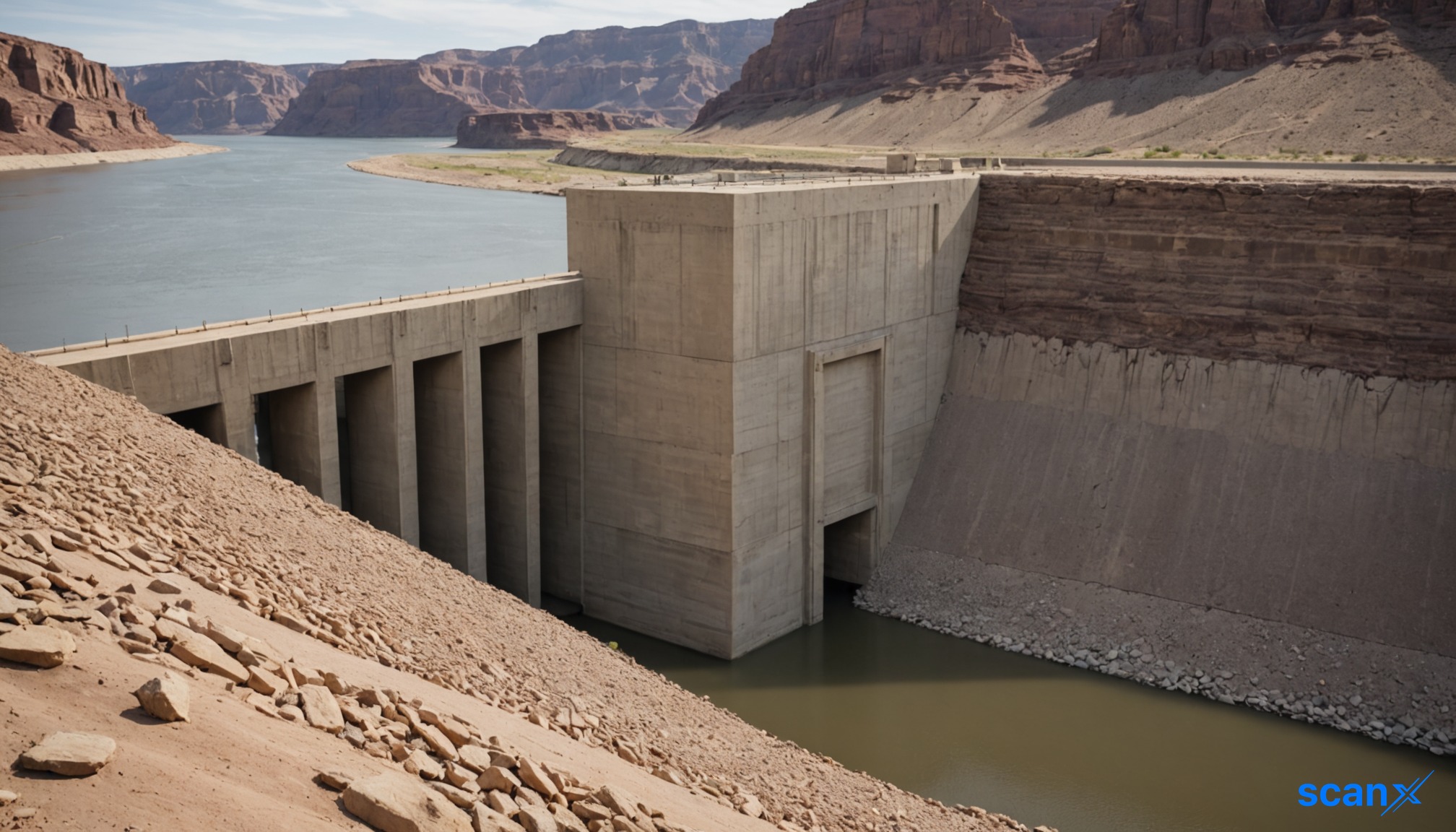
*this image is generated using AI for illustrative purposes only.

Thirst Foundation CEO Mina Guli finalized a shared plan to restore the Colorado River after completing a 2,000-mile run in 92 days. The campaign aims to address a water crisis threatening $1.4 trillion in annual economic activity.

The initiative emerges as reservoirs hit record lows, prompting calls for Arizona, California, and Nevada to cut water use by up to 3 million acre-feet per year. The river supports 40 million people and 16 million jobs, supplying the majority of US winter vegetables and a third of its milk.

Campaign Milestones

Guli ran from the river’s source in Colorado to Los Angeles between June and September 2026. She completed the distance in 92 days, beating her 100-day target by taking only 6 days off for advocacy work. The route required diversions due to wildfires and night running in the Grand Canyon due to extreme heat.

Metric Detail
Distance 2,000 miles
Duration 92 days
Target 100 days
Rest Days 6 days

Summits in Denver, Las Vegas, Phoenix, and Los Angeles brought together communities, farmers, Tribes, and companies. Partners include the Thirst Foundation, Grundfos, and the Water Resilience Coalition.

Strategic Priorities

The finalized commitment prioritizes water savings across urban, agricultural, and industrial sectors. Key focus areas include:

  • Water efficiency and waste reduction
  • Freshwater habitat restoration
  • Equitable water and sanitation access
  • Source water protection

Guli visited the Hoover Dam, a Meta data center, the parched delta in Mexico, and the Imperial Irrigation District. Solutions highlighted include beaver dam analogs, agrivoltaics, and urban water efficiency.

What the Numbers Show

The economic stakes of the crisis are concentrated in specific sectors. The river supports 16 million jobs within a broader ecosystem of $1.4 trillion in annual activity, implying an average economic output of approximately $87,500 per job dependent on the basin. This concentration highlights the systemic risk to agriculture, energy, and technology sectors if flow reductions are not managed through the proposed efficiency measures.

How will the proposed 3 million acre-feet water cuts be legally enforced across Arizona, California, and Nevada, and what penalties might industries face for non-compliance?

What is the projected timeline for agrivoltaics and beaver dam analogs to scale up enough to meaningfully impact the Colorado River's flow levels?

How might the $1.4 trillion economic dependency on the river influence federal budget allocations for infrastructure upgrades in the coming fiscal years?

like17
dislike

86% of Colorado River Basin residents prioritize water security

scanx
Reviewed by
Shriram SScanX News Team
Key Highlights

Morning Consult polling for the Walton Family Foundation shows 86% of residents in Colorado River Basin states prioritize water security. Key concerns include wildfire risk, drinking water threats, and food supply reductions. There is strong bipartisan support for restoring wetlands, boosting municipal conservation, and improving agricultural efficiency.

powered bylight_fuzz_icon
46899249

*this image is generated using AI for illustrative purposes only.

A significant majority of Americans living in the seven Colorado River Basin states—Arizona, California, Colorado, Nevada, New Mexico, Utah, and Wyoming—believe that addressing diminishing water supplies is a critical priority. According to a poll released on July 29, 2026, by the Walton Family Foundation in collaboration with Morning Consult, 86% of respondents consider drought impacts and water security an important challenge. This consensus highlights the urgent public demand for coordinated federal and state intervention to mitigate risks to drinking water, agriculture, and energy stability.

The survey indicates that residents want government officials at both levels to make water security a top agenda item. Specifically, 91% of adults in these states expect state officials to prioritize the issue, while 89% hold the same expectation for federal officials. Moira Mcdonald, Environment Program Director at the Walton Family Foundation, emphasized the long-term stakes, stating that decisions made now will shape life in the West for generations. She called for collaboration among basin states, the federal government, and Tribal Nations to invest in nature-based solutions that enhance river resilience.

Concerns about the tangible impacts of drought are widespread and severe. Respondents cited multiple threats associated with water scarcity, reflecting broad anxiety across economic and environmental sectors. The following table details the specific concerns raised by respondents:

Concern Category Percentage of Respondents
Increased wildfire risk 89%
Threats to clean drinking water 89%
Reduced food supplies 89%
Increased insurance costs 88%
Contamination of rivers and streams 86%
Power supply shortages (hydropower loss) 86%

Public support extends to specific policy solutions, with strong bipartisan backing for four key approaches to protecting the river. Restoring wetlands and floodplains received 87% support, with 57% strongly supporting the measure. Boosting municipal water conservation and reuse garnered 88% support, while increasing agricultural efficiency to reduce water use also saw 87% support. Improving forest management to limit wildfire damage was supported by 87% of respondents, with 55% expressing strong support.

Beyond specific interventions, residents identified broader strategic priorities for government action. Reducing the impacts of wildfires, floods, and drought on water supplies was rated a top or important priority by 90% of respondents. Investing in water infrastructure and resilience strategies, including modernizing delivery systems, was prioritized by 89%. Preventing critically low reservoir levels and power supply risks was deemed important by 88%, as was helping farmers and ranchers adapt to hotter conditions while maintaining food production. Protecting rivers, wildlife habitat, and outdoor recreation opportunities followed closely with 86% support.

The poll was conducted between June 12-19, 2026, among a sample of 2,474 registered voters across the seven basin states. Interviews were conducted online, and data was weighted to approximate a target sample of adults based on age, gender, race/ethnicity, education, and party identification within each state. The Walton Family Foundation sponsored the project, noting that the results are provided for educational and informational purposes only and do not support or oppose any political candidate or legislation.

How might the strong bipartisan support for nature-based solutions influence upcoming federal budget allocations for Colorado River infrastructure projects?

What specific regulatory changes could state governments in the basin implement to enforce the high public demand for agricultural water efficiency?

How will the projected 86% concern over hydropower shortages impact energy market stability and renewable energy investment strategies in the Western US?

like17
dislike