

Khanna calls Trump Venezuela policy a return to gunboat diplomacy


- Rep. Ro Khanna criticized Trump’s Venezuela policy as a return to gunboat diplomacy
- Trump announced a deal for majority control of 65 billion barrels of proven reserves
- The President claimed the deal costs taxpayers nothing and may lower gas prices
- Venezuela reportedly considered leaving OPEC amid talks with the US

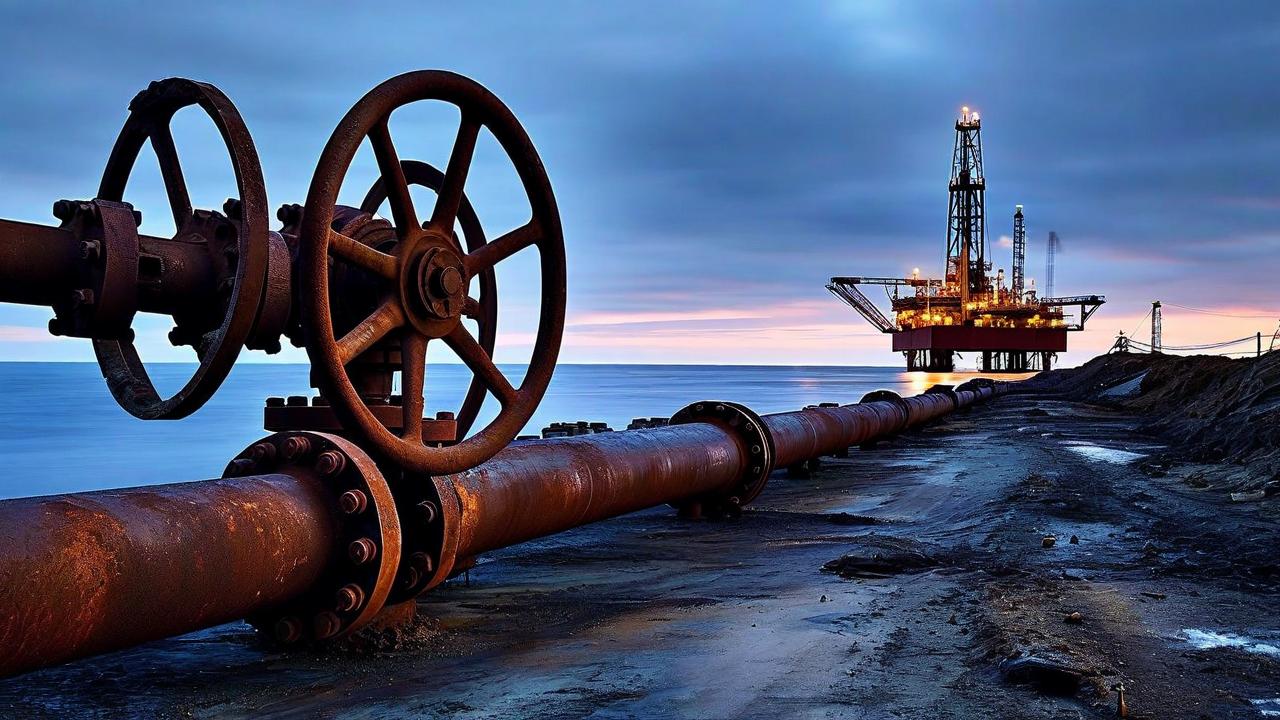

*this image is generated using AI for illustrative purposes only.
Rep. Ro Khanna (D-Calif.) criticized President Donald Trump’s Venezuela policy, accusing the administration of reviving an imperialist approach to foreign policy. He described the strategy as a return to "gunboat diplomacy" where might makes right.
Khanna posted his criticism on X on Saturday, sharing a clip from an interview with MS NOW. He argued that the U.S. was abandoning its commitment to decolonization in favor of a colonial model.
Criticism of Foreign Policy Approach
Khanna stated that Trump’s actions rolled back the clock 100 years. He cited U.S. actions in Guatemala, El Salvador, and Haiti as examples of this shift.
"It’s not just that it’s strategically wrong. It’s morally wrong," Khanna wrote. He added that the situation was "sad to see" and argued the U.S. should have left this model behind.
Decolonization and Historical Context
Khanna referenced his grandfather, who he said was jailed twice while fighting for Indian independence from Britain. He cited former President Franklin D. Roosevelt’s push for British Prime Minister Winston Churchill to decolonize.
"Trump is rolling it all back because he simply believes in a world where might makes right, where you take what you can," Khanna said.
Trump Touts Oil Deal
Trump announced on Friday that the U.S. had reached an agreement with Venezuela for majority control of more than 65 billion barrels of proven oil reserves. He called it "THE BIGGEST OIL DEAL IN WORLD HISTORY" and said it would cost U.S. taxpayers nothing.
The President claimed the deal would strengthen U.S.-Venezuela relations and potentially lower gasoline prices by expanding access to Venezuela’s oil.
Geopolitical Implications
Venezuela reportedly considered leaving the Organization of the Petroleum Exporting Countries (OPEC). The Trump administration explored acquiring stakes in about a dozen Venezuelan oil fields holding nearly 90 million barrels of proven reserves.
Interim leader Delcy Rodríguez thanked Trump for seeking cooperation. Trump praised her leadership and noted that Venezuelan oil was beginning to flow.

How might the controversy over the Venezuela oil deal impact U.S. relations with other OPEC members and global energy markets?
What legislative or diplomatic actions could Rep. Khanna and other critics take to challenge the administration's approach to Venezuelan policy?
Will the promised influx of Venezuelan oil significantly affect domestic gasoline prices in the United States, and if so, how quickly?
 15
15




 Create Custom Screeners
  Access 200+ Pre-built Filters
  Use 50+ Readymade Screener





