

John Bolton urges Trump to maintain pressure on Iran over Hormuz


John Bolton urges President Trump to maintain military pressure on Iran, citing strategic risks to the Strait of Hormuz. While Bolton argues that U.S. strikes have weakened Iran's military, Tehran demands sanctions relief and reparations for any ceasefire. Diplomatic talks continue discreetly amid conflicting reports on progress.


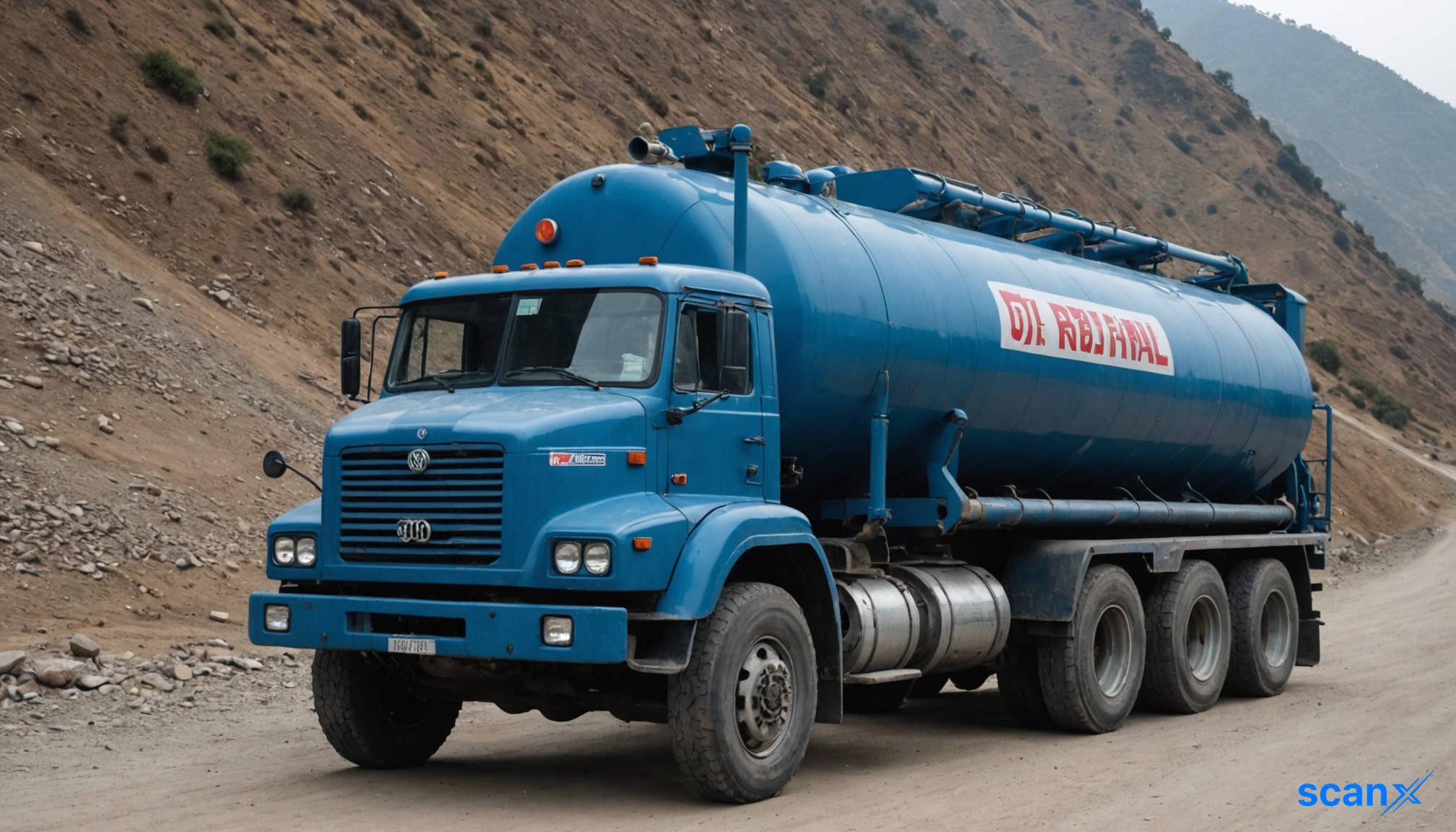
*this image is generated using AI for illustrative purposes only.
Former U.S. National Security Adviser John Bolton warned President Donald Trump against easing pressure on Iran, arguing that the United States should capitalize on damage inflicted on Tehran’s military complex rather than allow it to gain political leverage over the Strait of Hormuz. Bolton, speaking on Monday via X and in a CNN interview, contended that withdrawing now would reward Iran with a "political win" of hegemony over the vital waterway, which handles a significant portion of global oil shipments. He emphasized that the U.S. has "battered" Iran’s military-industrial complex during operations in March and April, asserting that it will take Tehran years to rebuild these capabilities.
Bolton criticized the current administration’s lack of clearly defined objectives, stating, "It’s a mistake to walk away from our fight in Iran." He opposed efforts to find an "off-ramp" from the conflict, warning that lifting the naval blockade could enable Iran to use oil revenue to support its military and allied forces. Instead of relying primarily on missile-defense systems to intercept incoming attacks, Bolton advocated for targeting Iranian missile launchers directly. He also called for maintaining the blockade and using force, if necessary, to reopen the Gulf Arab side of the Strait of Hormuz for commercial traffic.
Diplomatic Stalemate and Conditions
While Bolton urged continued military pressure, diplomatic channels remain active but fraught with conditions. On Sunday, Iran denied engaging in direct talks with the U.S., though it acknowledged that intermediaries were exchanging messages regarding the reopening of the Strait of Hormuz. Iranian Foreign Minister Abbas Araghchi claimed negotiators were "very close to an agreement," while Supreme National Security Council secretary Mohammad Bagher Zolghadr asserted that Iran would not concede "whether in war or in negotiations."
Tehran has set stringent prerequisites for any resolution. Last week, Iran demanded the lifting of U.S. sanctions, the end of the naval blockade, the withdrawal of U.S. troops, payment of war reparations, and an end to attacks on its allies. These demands contrast sharply with Bolton’s recommendation to maintain maximum pressure. President Trump stated that talks are taking place discreetly, while Vice President JD Vance noted that the conflict is not over.
Strategic Implications
The divergence between Bolton’s hardline stance and the reported proximity to a diplomatic agreement highlights a significant internal debate within the U.S. administration regarding endgame strategy. The Strait of Hormuz remains a focal point; its closure or restriction poses immediate risks to global energy markets. Bolton’s argument rests on the premise that Iran’s military capacity is currently at a historic low due to U.S. strikes in March and April. Conversely, Iranian officials frame the situation as a negotiation where concessions from Washington are required to restore normalcy.
| Entity | Position / Action | Key Detail |
|---|---|---|
| John Bolton | Oppose ceasefire | Warns against rewarding Iran with Hegemony over Hormuz |
| Iran | Set conditions | Demands sanction lift, troop withdrawal, reparations |
| U.S. Administration | Discreet talks | Trump says deal near; Vance says conflict ongoing |
| Abbas Araghchi | Near agreement | Claims negotiators very close to resolution |
The market implications of this standoff remain tied to the status of the Strait. Any prolonged blockade or escalation could disrupt oil flows, while a rapid de-escalation contingent on Iranian demands may alter geopolitical leverage in the region. Bolton’s public intervention suggests that factions within the administration continue to debate whether military advantage translates into sustainable political outcomes without clear, predefined goals.

How might global oil prices react if the U.S. administration rejects Iran's demands for reparations and maintains the naval blockade?
What specific economic indicators should investors monitor to gauge the likelihood of a successful diplomatic resolution versus further military escalation?
Could the internal disagreement between Bolton's hardline stance and the administration's diplomatic efforts signal a shift in U.S. foreign policy strategy toward the Middle East?
 16
16





 Access 50+ Readymade Screeners
  Use 200+ Custom Filters
  Get Full Market Insights





