
 NewsJaishankar, Rubio discuss trade, critical minerals and energy amid India-US $500 billion trade push
Jaishankar, Rubio discuss trade, critical minerals and energy amid India-US $500 billion trade push


India's Foreign Minister S. Jaishankar held talks with US Secretary of State Marco Rubio covering trade, critical minerals, nuclear cooperation, defence, and energy sectors. The discussions support the ambitious India-US target of doubling bilateral trade to $500 billion by 2030, with India committed to increased purchases of US energy and defence equipment to narrow the trade gap.

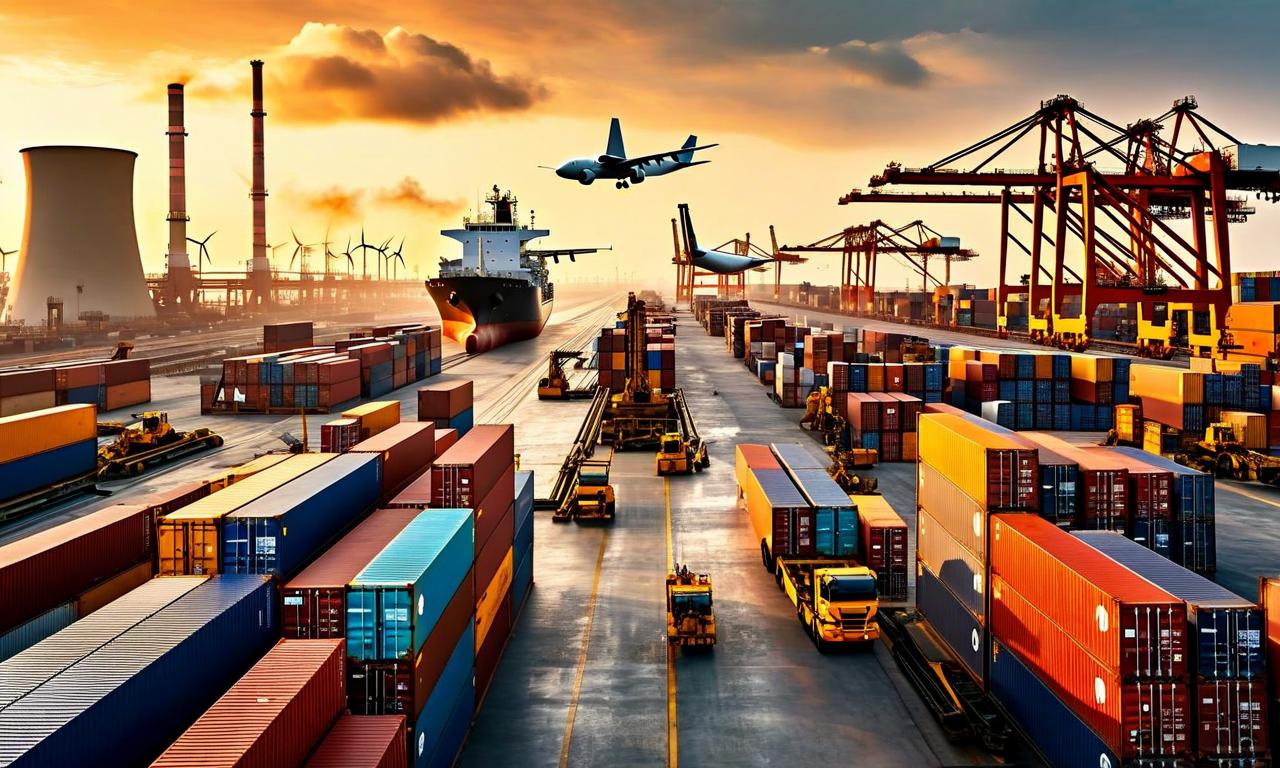

*this image is generated using AI for illustrative purposes only.
India's Foreign Minister S. Jaishankar engaged in comprehensive discussions with US Secretary of State Marco Rubio on Tuesday, covering key areas of bilateral cooperation including trade, critical minerals, and energy sectors. The high-level diplomatic engagement signals continued momentum in India-US strategic partnership.
Key Discussion Areas
Jaishankar confirmed the scope of discussions through a social media post on platform X, stating he had "concluded a good conversation with Secretary Rubio." The talks encompassed multiple strategic sectors that form the backbone of India-US economic cooperation.
| Discussion Topics: | Status |
|---|---|
| Trade Relations: | Active discussions |
| Critical Minerals: | Strategic cooperation |
| Nuclear Cooperation: | Ongoing partnership |
| Defence Sector: | Equipment procurement focus |
| Energy Cooperation: | Enhanced collaboration |
Ambitious Trade Targets
The discussions take place against the backdrop of an ambitious bilateral trade target. India and the United States have established a goal of more than doubling their current bilateral trade volume to $500 billion by 2030. This represents a significant expansion of economic ties between the two nations.
To support this target, India has made specific commitments to increase purchases of US energy and defence equipment. These procurement commitments are designed to help narrow the existing trade gap between the two countries and create a more balanced trading relationship.
Previous Trade Negotiations
The current discussions follow earlier trade talks that concluded without reaching a comprehensive agreement. The failure of previous negotiations had notable market impacts, contributing to the Indian rupee reaching record low levels and creating uncertainty among investors who were monitoring the progress of bilateral trade negotiations.
Despite these earlier challenges, both nations continue to pursue enhanced economic cooperation through ongoing diplomatic engagement and sector-specific discussions.
 20
20






 Create Custom Screeners
  Access 200+ Pre-built Filters
  Use 50+ Readymade Screener





