Ghalibaf cites $50 oil premium to assert Iran control of Strait of Hormuz

scanx
Reviewed by
Shriram SScanX News Team
Key Highlights
  • Ghalibaf cites $50 oil premium to claim Iran controls Strait of Hormuz
  • Trump rejects Iran's peace proposal to reopen the strategic waterway
  • US sanctions reduce external Iranian flights by 80%-90%, per Treasury Secretary
  • UKMTO reports vessel strike in Strait of Hormuz with two casualties
powered bylight_fuzz_icon
51516500

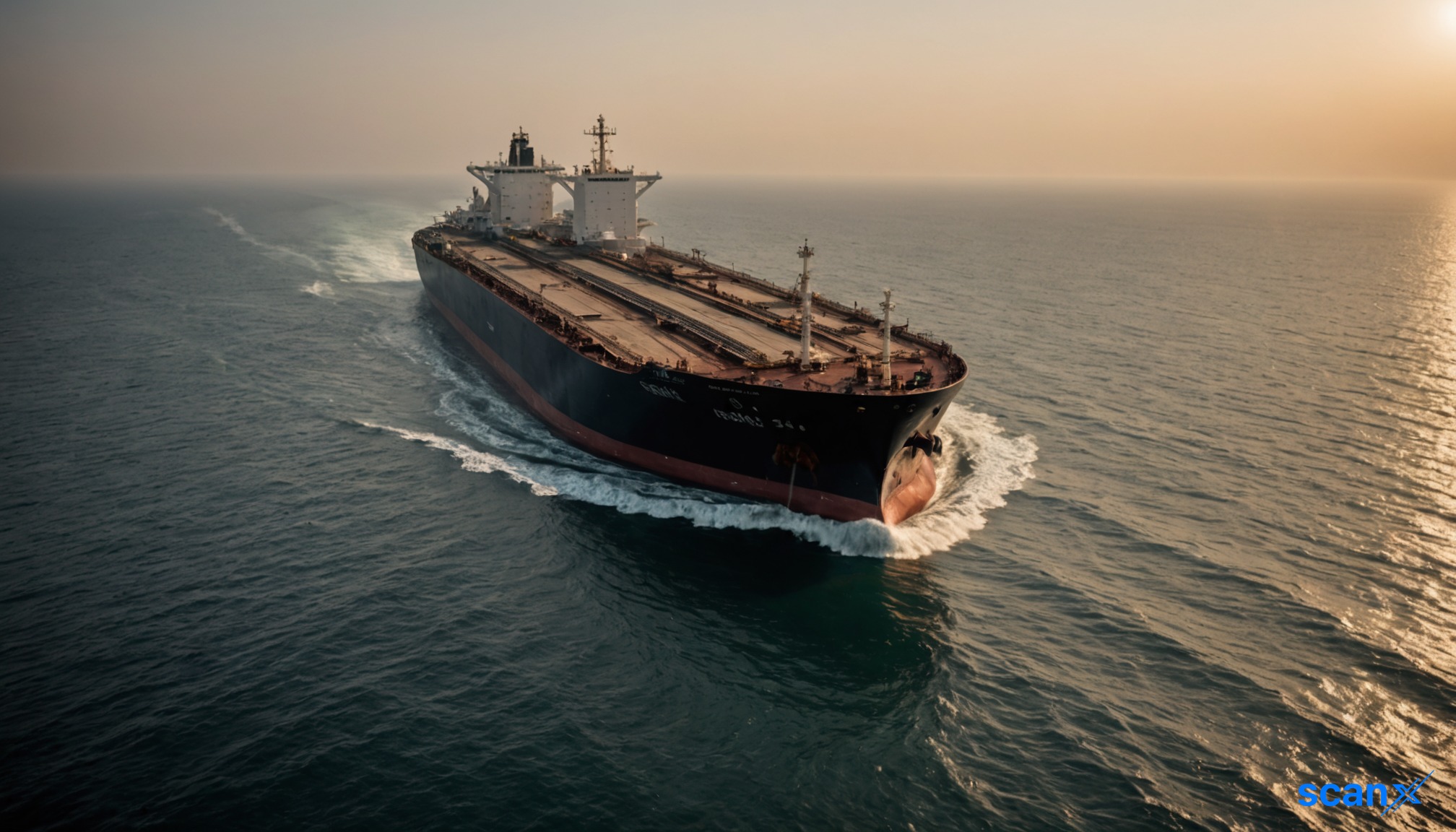
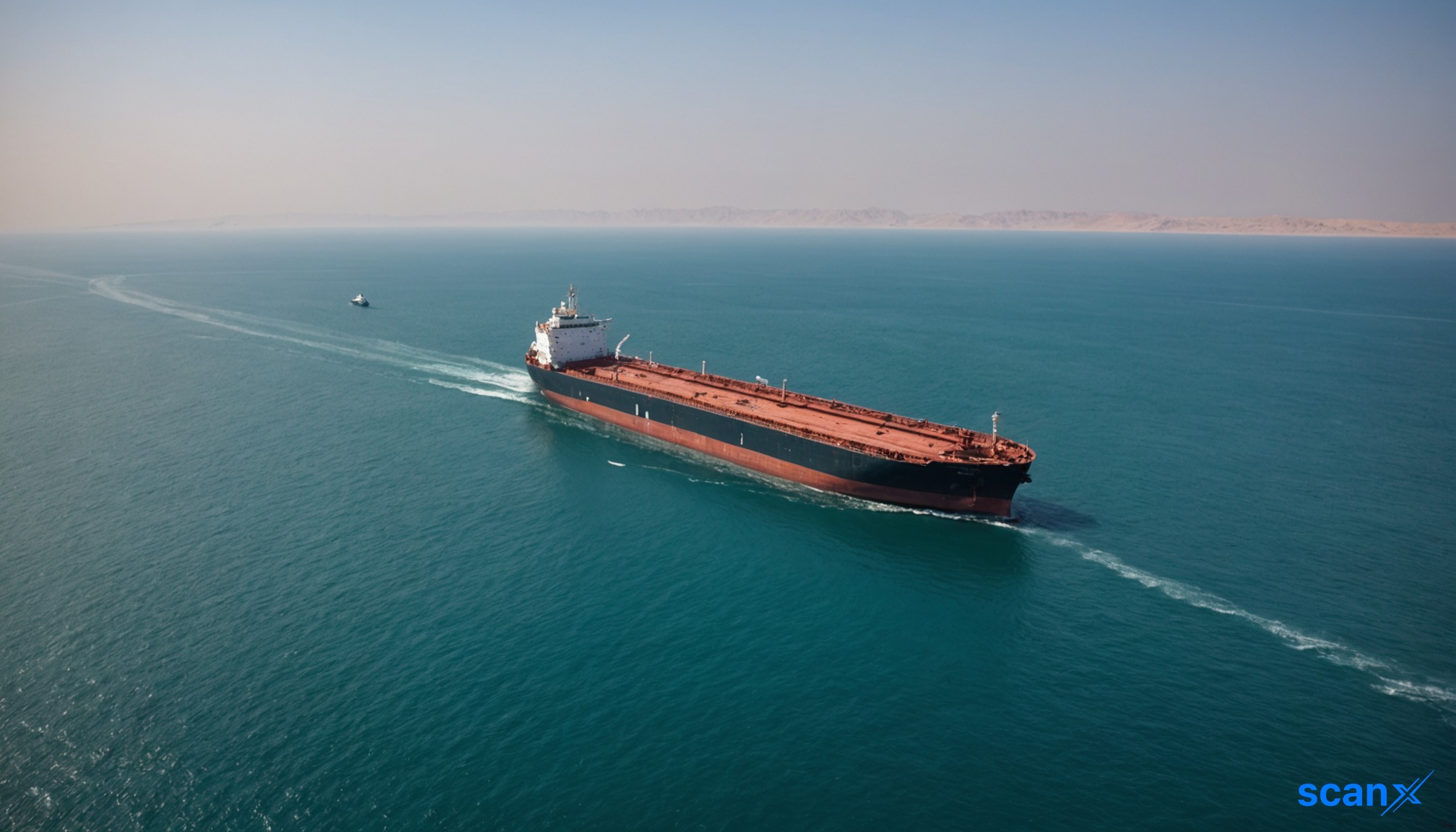
*this image is generated using AI for illustrative purposes only.

Iran’s Parliament Speaker Mohammad Bagher Ghalibaf asserted that Tehran retains control of the Strait of Hormuz, citing a $50 oil price premium since the war began to refute US claims. He characterized Washington's stance as a "narrative-laundromat," arguing that market prices contradict assertions that Iran does not control the strategic waterway.

Market Pricing vs US Narrative

In a post on X on Sunday, Ghalibaf stated that the "US gaslighting bureau" claims Iran does not control the Strait of Hormuz (SOH), yet the market charges a significant premium. He noted customers are paying $35 over pre-invasion levels and $50 using dated or actual prices. "Either the market’s dumb or the US narrative-laundromat is faking it," Ghalibaf said, referring to the situation as a "free-dollar vending machine in Hormuz for believers."

This follows his earlier warning that the United States cannot pressure Iran through the Strait without facing blowback. Ghalibaf previously mocked the US by sharing a meme depicting a closet with falling plates, labeling it "Schrödinger’s Empire." He quoted HFI Research referencing JP Morgan Chase & Co. (NYSE: JPM) analysts’ inability to model oil amid disruptions, stating, "This endgame cannot be modeled. It will be opened, and Iran’s hand is already on the lever."

Diplomatic Stalemate and Sanctions

The comments coincide with President Donald Trump rejecting a proposal from Iran to reopen the Strait of Hormuz. Trump stated Tehran wanted to rush a peace deal because it was "losing so badly," following a series of US sanctions targeting Iran’s aviation sector. Treasury Secretary Scott Bessent claimed these restrictions, part of Operation Economic Outcast, resulted in an 80%-90% reduction in external Iranian flights.

Despite the tension, Iranian Foreign Minister Abbas Araghchi and President Masoud Pezeshkian conveyed openness to negotiations at the United Nations General Assembly. Iran had proposed reopening the Strait within seven days as part of a broader agreement, provided the US returns to terms agreed in a June Memorandum of Understanding.

Regional Security Incidents

Tensions remain high with recent security incidents reported in the region. On September 23, the United Kingdom Maritime Trade Operations Center (UKMTO) reported a vessel struck by an "unknown projectile" in the Strait of Hormuz, resulting in two casualties. Earlier, the Islamic Revolutionary Guard Corps (IRGC) stated it had struck and detained a Togo-flagged tanker named Trend in the same waterway.

Last week, Ghalibaf warned that Tehran would return the US to the 1970s with high fuel costs and shortages, referencing historical gas crises fueled by the 1973 war and the 1979 Iranian Revolution. Reports indicated the Trump administration was in "deciding mode" regarding further action against Tehran, with Trump set to meet Gulf state leaders to discuss post-conflict scenarios.

Disclaimer: This article is AI-generated using data from ViewTrade. ScanX is not liable for any inaccuracies.

How might sustained $50 oil premiums influence global inflation expectations and central bank monetary policy decisions in the coming quarters?

What specific contingency plans are Gulf state leaders likely to propose to Trump regarding post-conflict security architectures in the Strait of Hormuz?

Could the reported 80-90% reduction in Iranian aviation connectivity accelerate Tehran's pivot toward alternative trade corridors via China or Russia?

like20
dislike

Trump cites 318% Iran inflation, expects war end soon

scanx
Reviewed by
Shriram SScanX News Team
Key Highlights
  • Trump claims Iran inflation hit 318% as of this morning
  • President expects war to end "very soon" with oil prices falling
  • Dow futures rose 0.23% while WTI crude fell 1.61% to $98.69
  • Trump declined to confirm if strikes end before midterms
powered bylight_fuzz_icon
51480838

*this image is generated using AI for illustrative purposes only.

President Donald Trump stated the U.S. will win against Iran in both military and economic warfare. He claimed Iranian inflation stood at 318% as of this morning and expressed expectation that the conflict would end "very soon," leading to a decline in oil prices.

Market Reaction

US equity futures advanced in early trading. Dow futures rose 120 points, or 0.23%, to 52,199.00. S&P 500 futures gained 26 points, or 0.34%, to 7,738.50. Nasdaq 100 futures advanced 164 points, or 0.55%, to 30,081.25 as of around 8:48 p.m. EDT.

Asian markets also traded higher. South Korea’s KOSPI rose 0.73% to 6,944.56. Japan’s Nikkei 225 gained 1.38% to 65,018.95.

In commodities, prices moved lower despite the geopolitical risks. WTI crude oil fell 1.61% to $98.69 per barrel. Brent crude declined 1.43% to $102.38 per barrel. Natural gas futures fell 1.24% to $2.876 per MMBtu. The U.S. dollar index stood at 100.254, up 0.04%.

Escalating Tensions and Retaliation Threats

Trump outlined three primary paths regarding the conflict: "wiping Iran out," allowing the country to "rot economically," or negotiating a deal. He warned that "they better behave" while expressing uncertainty about the timing of any drastic measures. Trump declined to say whether Iran strikes will end before the midterms.

Iranian officials have responded with threats of retaliation. Iran’s military stated that any new attack would trigger sustained retaliation against U.S. bases and interests. Washington’s regional allies could also be treated as participants in the conflict, Reuters reported.

The confrontation widened over the weekend after Yemen’s Iran-backed Houthi group claimed missile and drone attacks on sensitive targets in Riyadh. The U.S. State Department issued a security alert warning of possible further escalation.

Diplomatic Moves and Energy Disruptions

Diplomatic efforts continue alongside these threats. The Trump administration has permitted a "core delegation" of Iranian officials, including President Masoud Pezeshkian and Foreign Minister Abbas Araghchi, to attend the United Nations General Assembly. Trump indicated he would be open to meeting President Pezeshkian.

Iran has continued restricting shipping through the Strait of Hormuz. Tehran reiterated it will not reopen the strait until conditions tied to a June ceasefire agreement are met. That agreement collapsed in July, stalling diplomatic efforts. The Houthis’ position near the Bab el-Mandeb Strait threatens another major route for energy and commercial shipments.

Former counterterrorism chief Joe Kent warned there is no military solution to the Iran issue. He urged the White House to consider withdrawing troops from the Middle East instead.

What the Numbers Show

The market reaction presents a divergence between geopolitical rhetoric and asset pricing. While Trump escalated threats with a claim of 318% inflation in Iran and predicted an imminent end to hostilities, crude oil prices fell despite ongoing disruptions in the Strait of Hormuz and Bab el-Mandeb. This suggests traders are pricing in a rapid resolution or reduced risk premium rather than sustained supply constraints from the current blockade status.

Disclaimer: This article is AI-generated using data from LiveSquawk. ScanX is not liable for any inaccuracies.

How might the potential Trump-Pezeshkian meeting at the UN General Assembly influence the trajectory of oil price volatility in Q4?

What are the specific economic indicators that would confirm or refute the claim of 318% Iranian inflation and its impact on regional currency stability?

If the Strait of Hormuz remains restricted, how will global energy traders adjust long-term crude futures curves to account for sustained supply chain disruptions?

like15
dislike