

Iran sends war-end terms to US via Qatar; official calls it surrender


- Iran sent peace terms to the US via Qatar, demanding a war halt and asset release
- Former Pentagon official David Des Roches says Washington may view terms as surrender
- Iran tested a multi-warhead anti-ship missile near a US vessel during the conflict
- Tehran has not withdrawn from the NPT but warns future sanctions could change stance
- JPMorgan note cited by Iran suggests oil markets cannot be modeled amid disruptions

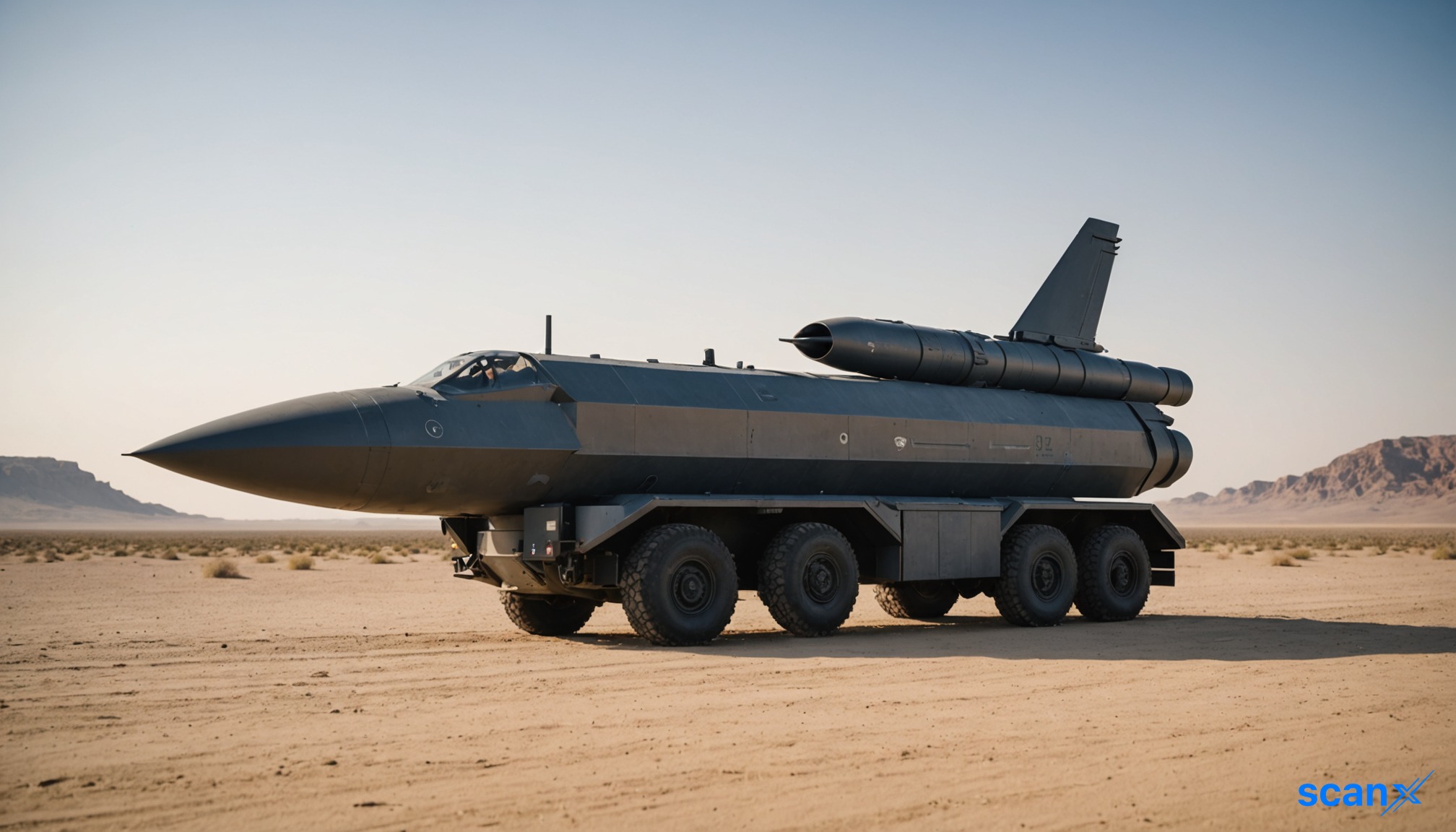

*this image is generated using AI for illustrative purposes only.
Iran has transmitted conditions for ending hostilities with the United States through Qatari mediators. The proposal includes an immediate halt to fighting on all fronts and the lifting of naval blockades.
Mohsen Rezaei, secretary of Iran’s Supreme National Security Council, outlined the terms in an interview with Al Jazeera. He stated that Tehran is awaiting a response from President Donald Trump.
Key Peace Conditions
The proposed framework seeks to de-escalate tensions through specific operational changes. Rezaei emphasized that accepting these terms would serve Washington’s best interests.
| Condition | Details |
|---|---|
| Ceasefire | Halt to war on all fronts |
| Assets | Release of Iran’s frozen assets |
| Blockade | Lifting of the naval blockade |
Rezaei warned that Iran remains ready for a “decisive war” if negotiations fail. He did not rule out further US strikes against Iranian targets.
Military Posture and Nuclear Stance
Despite ongoing conflict, Rezaei revealed that Iran recently tested a multi-warhead anti-ship missile near a US vessel or aircraft carrier. This test signals Tehran’s continued military capability amid diplomatic overtures.
On nuclear policy, Rezaei confirmed that Iran has not decided to withdraw from the Nuclear Non-Proliferation Treaty (NPT). He noted that Tehran continues to honor former Supreme Leader Ayatollah Ali Khamenei’s fatwa against nuclear weapons. However, he warned that future sanctions or UN action could alter this stance.
Diplomatic Context
Qatar and Pakistan are facilitating efforts to return to a US-Iran negotiating framework. Rezaei mentioned that Iran and Oman were close to announcing a Strait of Hormuz agreement, but the deal was shelved and may require regional backing before publication.
US Response and Market Implications
Tensions remain high as President Trump considers drastic measures against Iran. Reports suggest Trump is weighing options including severe economic pressure or military action.
Former Pentagon official David Des Roches told Al Jazeera that Washington would likely view the proposed terms as a “surrender” rather than a serious negotiation opening. He highlighted that Iran dropped its earlier demand for war reparations as a sign of progress.
Iran’s Parliament Speaker Mohammad Bagher Ghalibaf previously warned the US of potential retaliation regarding the Strait of Hormuz. He cited a JPMorgan note stating that oil markets could not be modeled amid disruptions, suggesting Iran holds leverage over energy prices.

How might President Trump's potential rejection of the terms as a 'surrender' impact immediate volatility in global crude oil prices?
What are the likely geopolitical consequences for Qatar and Pakistan if the US dismisses Iran's proposal, given their roles as key mediators?
Could Iran's recent multi-warhead missile test near US vessels serve as a coercive tactic to strengthen its negotiating position on asset releases?
 20
20






 Access 50+ Readymade Screeners
  Use 200+ Custom Filters
  Get Full Market Insights





