Iran Protests: 7 Dead as Economic Crisis Sparks Biggest Unrest Since 2022


Iran faces its most significant civil unrest since 2022 with at least seven deaths reported as anti-inflation protests escalate across multiple provinces. The demonstrations, triggered by severe economic conditions including 42.5% inflation and the Iranian rial losing nearly half its value, have evolved from shopkeeper grievances into broader calls for democratic reforms and regime change.
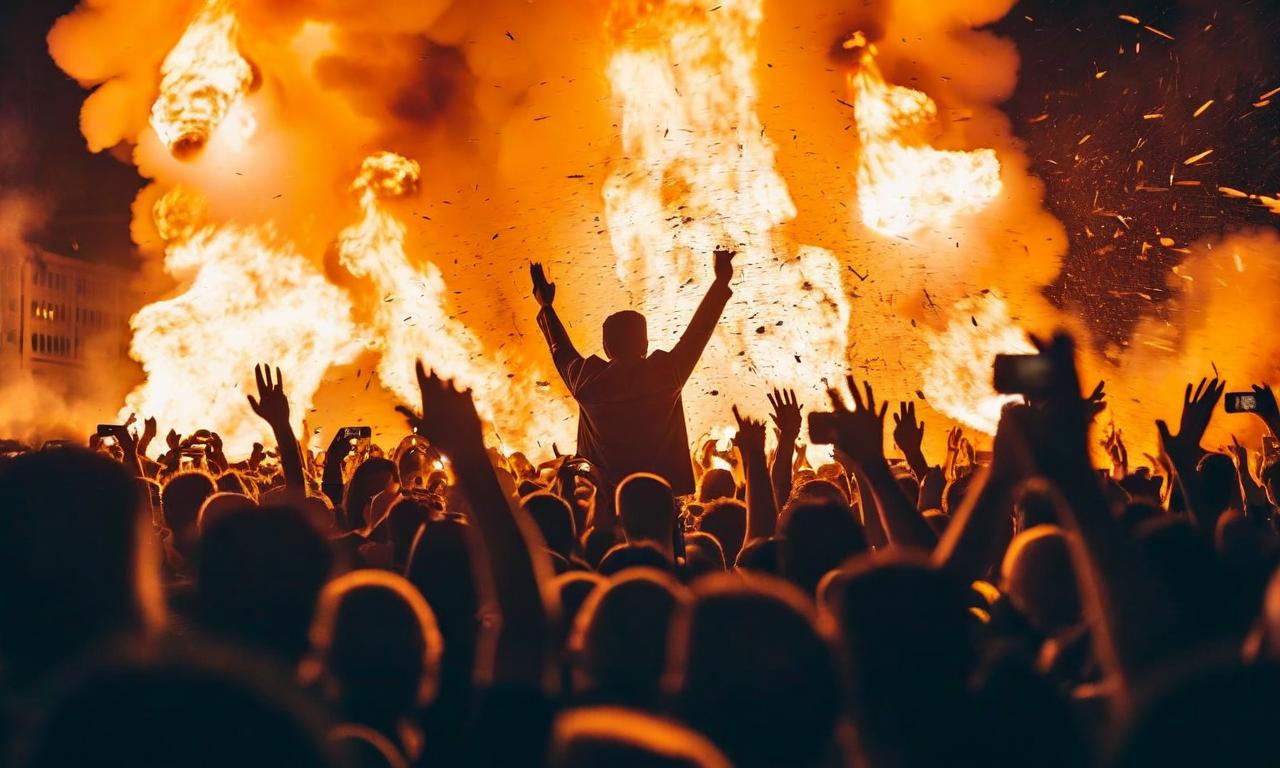
*this image is generated using AI for illustrative purposes only.
At least seven people have been killed in Iran as anti-inflation protests escalated into the country's most significant civil unrest since 2022. The demonstrations, which began with economic grievances, have evolved into calls for fundamental political change and spread across multiple cities, including rural provinces largely inhabited by Iran's Lur ethnic group.
Casualties Mount Across Multiple Provinces
The latest deaths mark a significant escalation in violence, with two fatalities reported on Wednesday and five on Thursday across four cities. Among the casualties, authorities confirmed the death of a 21-year-old member of the Basij volunteer paramilitary unit linked to Iran's Revolutionary Guards Corps (IRGC) in Kuhdasht, western Lorestan province, where 13 others were injured.
| Location: | Casualties | Details |
|---|---|---|
| Azna, Lorestan: | 3 protesters killed, 17 injured | Attack on police station |
| Kuhdasht, Lorestan: | 1 Basij member killed, 13 injured | IRGC-confirmed incident |
| Lordegan: | Multiple deaths | Reported by Fars and Hengaw |
| Isfahan Province: | 1 protester killed | Shot by security forces |
The most intense violence occurred in Azna, Lorestan province, where protesters attacked a police station around 6 p.m. local time on Thursday. Videos shared on social media showed objects ablaze in streets and gunfire echoing as locals shouted "Shameless! Shameless!"
Economic Crisis Fuels Widespread Demonstrations
The protests emerged from severe economic pressures facing Iranian citizens under international sanctions. What began as shopkeeper protests on Sunday quickly expanded to include university students, with demonstrations spreading across the country by Tuesday.
| Economic Indicator: | Current Status |
|---|---|
| Iranian Rial Performance: | Lost nearly 50% value against USD |
| Inflation Rate: | 42.5% in December |
| Sanctions Impact: | Among world's toughest sanctions regimes |
| Regional Conflict: | Israeli and US airstrikes targeted infrastructure |
The country's economy continues struggling under Western sanctions related to its nuclear programme, with the situation worsened by recent Israeli and US airstrikes that targeted Iran's nuclear and ballistic missile infrastructure.
Political Demands and Democratic Calls
The economic protests have evolved into broader calls for political reform, with demonstrators chanting slogans against the country's clerical rulers. Citizens are demanding "democracy in, mullahs out" and chanting "death to the dictator" and "woman, life, freedom" – slogans that carry significant legal risks under Iran's current system.
A 19-year-old university student told The Guardian: "If the administration wanted to talk, they wouldn't fire teargas, shoot at protesters and if dialogue is what they wanted, they would not have executed protesters in 2023. There is no willingness from any of us to talk to them, we want the mullahs gone and we want democracy."
Government Response: Dialogue Offers Amid Security Crackdown
The Iranian government's response shows contrasting approaches. Government spokesperson Fatemeh Mohajerani announced authorities would hold direct dialogue with representatives of trade unions and merchants, though no further details were provided. President Masoud Pezeshkian has expressed willingness to listen to protesters' "legitimate demands."
However, security forces remain deployed across multiple cities, including the Basij units loyal to Supreme Leader Ayatollah Ali Khamenei. The IRGC has taken a confrontational stance, warning it would confront any "sedition, unrest" or security threats, and blamed protesters in Kuhdasht for "taking advantage of the atmosphere of popular protests."
Historical Context and Regional Implications
These protests represent the most widespread civil unrest since the death of 22-year-old Mahsa Amini in police custody sparked nationwide demonstrations in 2022. The current unrest comes amid a complex regional situation, following a 12-day conflict with Israel and recent bombing campaigns targeting nuclear facilities.
The Iranian government announced holidays in major cities on Wednesday due to cold weather, effectively shutting down urban centers as demonstrations continued. The convergence of economic hardship, political demands, and recent regional tensions has created a volatile situation that continues evolving across Iran's provinces.
 20
20