Iran links Hormuz reopening to US sanctions relief, calls for diplomacy

scanx
Reviewed by
Anirudha BScanX News Team
Key Highlights
  • Iran urges global rejection of US sanctions, linking diplomacy to pressure relief
  • Strait of Hormuz reopening tied to resolutions in Gaza, Lebanon, and Syria
  • Vessel traffic through Hormuz fell 28.6% day-on-day to five ships
  • Trump administration rejects talks, focusing on economic isolation of Tehran
powered bylight_fuzz_icon
49526059

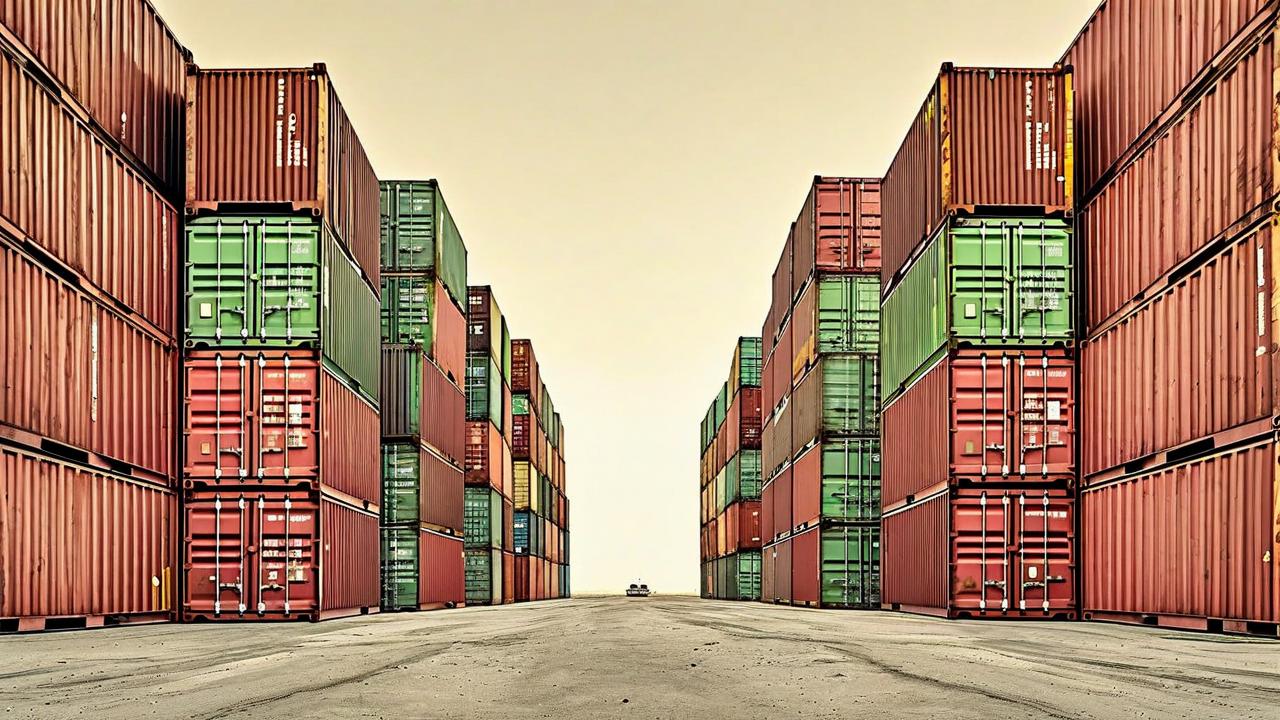
*this image is generated using AI for illustrative purposes only.

Iran has urged countries to resist US sanctions, signaling that access through the Strait of Hormuz and potential diplomatic engagement depend on Washington easing economic pressure. Foreign Minister Abbas Araghchi stated that renewed negotiations require the US to acknowledge that "pressure doesn't work."

Diplomatic Conditions

Tehran’s Foreign Ministry called on all countries not to implement US sanctions against Iran on Friday, warning that cooperation with Washington amounts to complicity in its "illegal will," according to a letter published via Telegram and reported by CNBC.

Araghchi emphasized that putting diplomacy back on track is possible if the US builds trust, respects Iran’s rights, and honors its commitments. This appeal follows intensified economic pressure from the Trump administration, which has threatened countries and businesses maintaining commercial ties with Tehran.

Strait of Hormuz Access

Iran currently allows a "temporary and limited" corridor for ships through the strategically vital waterway. Officials state that a broader reopening hinges on understandings with the US regarding wider regional conflicts.

Mohsen Rezaei, secretary of Iran’s Supreme National Security Council, told Al Manar TV that any agreement over the Strait must address conflicts in Gaza, Lebanon, and Syria. He specified that Israel must withdraw from Lebanon, halt attacks on Syria, and end the Gaza conflict.

Market Impact

Despite US claims that international shipping lanes remain open, vessel traffic is significantly below prewar levels. Data from Kpler showed that five vessels crossed the Strait of Hormuz on August 25, a 28.6% decline day-on-day from seven crossings. All five vessels used the Iranian unilateral corridor.

President Donald Trump rejected immediate diplomacy, telling reporters, "We don’t want to speak to them. We’re not looking to meet or anything." The administration continues to focus on financial isolation of Iran, keeping energy markets on alert amid subdued traffic.

How might the continued restriction of Strait of Hormuz traffic impact global crude oil prices and supply chain stability in Q4?

What specific diplomatic concessions might the US consider if Iran links Strait access to resolutions in Gaza and Lebanon?

Which major economies are most likely to defy US secondary sanctions to maintain trade relations with Iran, and what are the potential repercussions?

like20
dislike

Bessent accuses Iran of funding proxies as rial hits record low

scanx
Reviewed by
Shriram SScanX News Team
Key Highlights
  • Treasury Secretary Scott Bessent accused Iran of funneling billions to terrorist proxies while citizens struggle
  • The Iranian rial hit a record low at 1.37 million rials per dollar this month
  • Oil loadings fell sharply to 248,000 barrels a day in August from 1.85 million in spring
  • The US sanctioned nearly 60 entities tied to Iran's nuclear and oil networks
  • Iran and Oman agreed to clear mines from the Strait of Hormuz
powered bylight_fuzz_icon
49439520

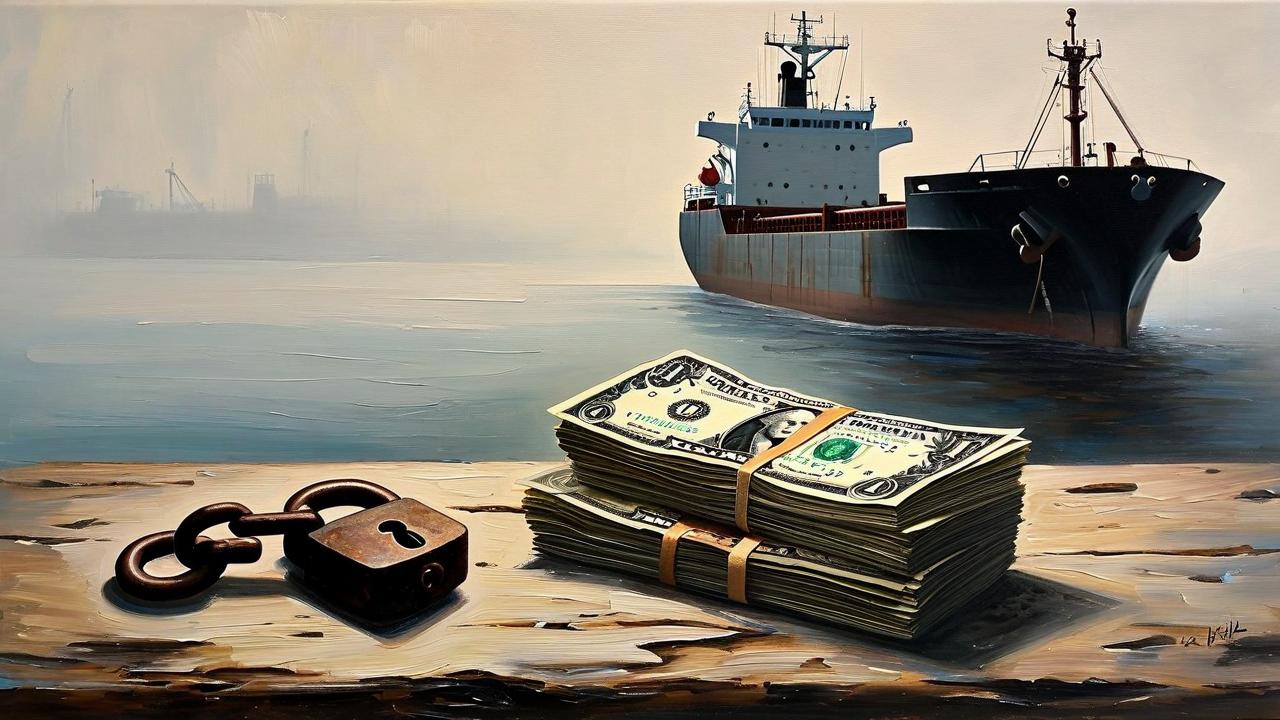
*this image is generated using AI for illustrative purposes only.

US Treasury Secretary Scott Bessent on Thursday accused the Iranian government of funneling billions of dollars to terrorist proxies abroad while its citizens struggle with basic necessities. The remarks underscored Washington's escalating economic pressure campaign against Tehran.

Economic Pressure Intensifies

Bessent stated that the regime should spend funds for its people instead of supporting proxies, labeling the government corrupt. This accusation coincides with severe currency depreciation. The Iranian rial fell to a record low this month, requiring roughly 1.37 million rials to buy a single dollar.

The Treasury Secretary declared "economic D-Day" on Iran last week, describing it as the single greatest financial offensive ever marshaled against an adversary. The goal is to sever every economic lifeline sustaining the regime. President Trump previously threatened the most crushing economic operation ever taken against any country, warning nations maintaining financial ties to Tehran would face severe consequences.

Sanctions and Export Decline

The US Treasury sanctioned nearly 60 entities, individuals, and vessels tied to Iran's nuclear, missile, cyber, and oil networks under a campaign dubbed "economic outcast." These measures correlate with a sharp decline in Iranian oil exports.

Metric Period Value
Oil Loadings March and April 1.85 million barrels a day
Oil Loadings August 248,000 barrels a day
Rial Exchange Rate Current Month 1.37 million rials per dollar

Data from Kpler shows oil loadings dropped from 1.85 million barrels a day in March and April to just 248,000 barrels a day in August. This represents a significant contraction in export volume over five months.

Geopolitical Tensions Persist

Iran's Foreign Ministry spokesperson Esmaeil Baqaei accused the US of annihilating international law and called the campaign systemic bullying. Despite the pressure, diplomatic channels remain partially active regarding regional stability.

Iran and Oman discussed a framework for a temporary navigational corridor through the Strait of Hormuz. Both nations agreed to work on clearing mines from the waterway. Trump stated on Tuesday that all mines in the strait's international waters had already been removed or detonated.

Trump told Al Jazeera earlier this week that he has no time schedule for Iran to return to talks, asserting that the US is winning very big as the conflict drags on.

How might the collapse of Iranian oil exports to 248,000 barrels per day impact global crude prices and supply chain stability in the short term?

What are the potential secondary sanctions risks for Asian and European nations that continue to maintain covert financial or trade ties with Tehran?

Could the severe depreciation of the rial trigger domestic unrest in Iran, potentially destabilizing the regime faster than external economic pressure alone?

like20
dislike