Iran calls on neighbors to deny US use of their territory

scanx
Reviewed by
Shriram SScanX News Team
Key Highlights
  • Iran called on neighboring nations to prevent the US from using their land
  • The appeal reflects Tehran's effort to limit American military and strategic access in the region
  • No specific neighboring countries or communication channels were identified in the available information
powered bylight_fuzz_icon
49900249

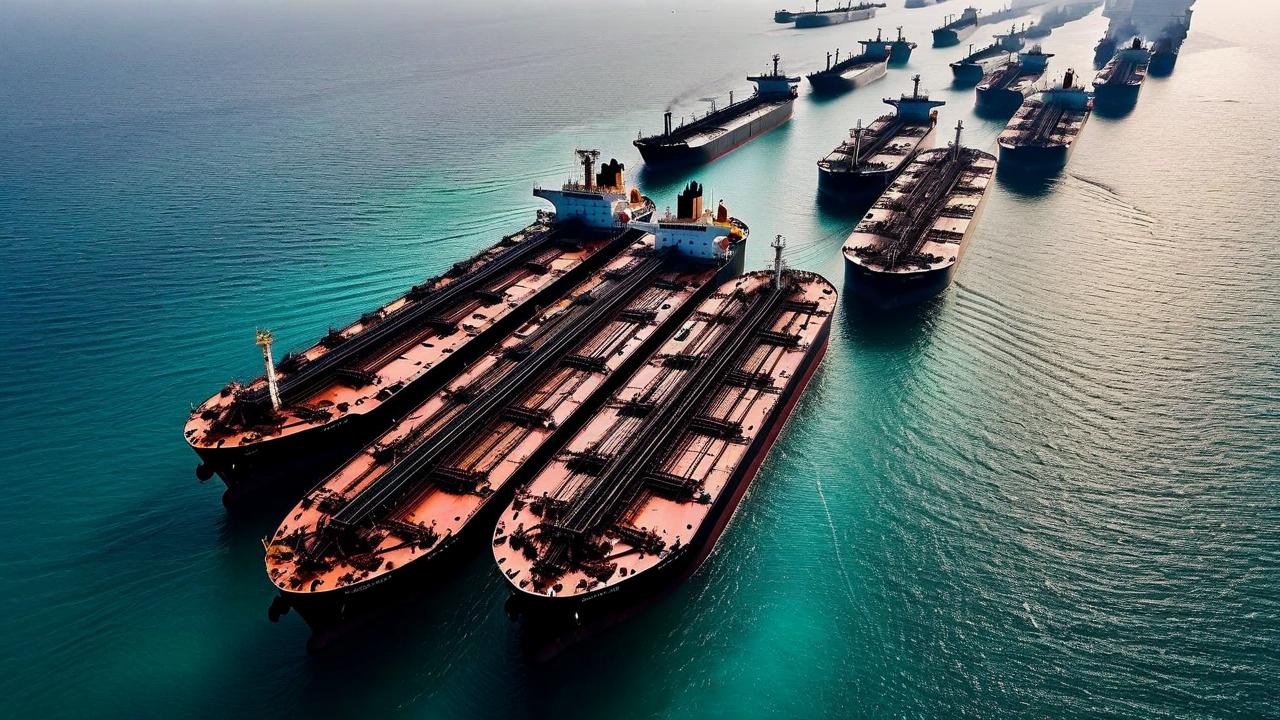
*this image is generated using AI for illustrative purposes only.

Iran has called on neighboring nations to prevent the United States from using their land, in a move that underscores Tehran's efforts to limit American military and strategic access across the region.

Iran's appeal to regional neighbors

The call represents a direct diplomatic appeal by Iran to countries sharing its geographic neighborhood, urging them to refuse any arrangement that would allow the US to operate from or through their territory. The appeal reflects Iran's longstanding position on foreign military presence in the region and its efforts to build a collective stance among neighboring states.

The move signals Tehran's intent to engage regional governments on matters of territorial access, framing the issue as one of shared regional interest. No specific countries were named in the available information, nor were details provided regarding the format or channel through which the appeal was communicated.

Which specific neighboring countries are most likely to face pressure from both Iran and the US regarding military basing rights?

How might this diplomatic appeal influence ongoing negotiations between the US and Gulf states regarding security cooperation?

Could this move signal a broader shift in Iran's strategy towards regional diplomacy rather than direct confrontation?

like17
dislike

Brent crude tops $96 as US strikes Iran; Asian markets fall

scanx
Reviewed by
Shraddha JScanX News Team
Key Highlights
  • Brent crude rose 1.64% to $96.20 and WTI gained 1.61% to $91.67 following US strikes on Iran.
  • Japan's Nikkei 225 fell 2.59% and South Korea's KOSPI dropped 2.48% amid geopolitical fears.
  • US dollar index edged up 0.06% to 99.714 as safe-haven demand increased.
  • Iran threatened to block all oil exports from the Persian Gulf if pressured further.
powered bylight_fuzz_icon
49859874

*this image is generated using AI for illustrative purposes only.

Brent crude oil advanced to $96.20 per barrel, up 1.64%, while WTI crude rose 1.61% to $91.67 following fresh US military strikes on Iranian targets.

The escalation in tensions, including threats to the Strait of Hormuz, triggered a sharp sell-off in Asian equities and a rise in natural gas futures.

Market Reaction

Equity markets reacted negatively to the geopolitical development. Asian indices closed lower:

Index Change Level
Japan Nikkei 225 -2.59% 64,501.12
South Korea KOSPI -2.48% 6,666.52

US equity futures also slipped late Tuesday. Dow futures fell 13 points (0.02%) to 52,815.00. S&P 500 futures declined 0.25 points (0.00%) to 7,642.50, while Nasdaq 100 futures dropped 9 points (0.03%) to 29,116.50.

In currency markets, the US dollar index stood at 99.714, up 0.06%.

Geopolitical Context

The US military stated it struck Islamic Revolutionary Guard Corps targets, including air-defense systems and maritime assets. CENTCOM noted these actions followed attempted attacks by the IRGC against commercial shipping in the Strait of Hormuz and American service members.

Iran retaliated with missile and drone attacks on US forces in Jordan, Bahrain, and Iraq. Jordan reported intercepting 10 of 13 ballistic missiles that entered its airspace.

Iranian parliament speaker Mohammad Baqer Qalibaf warned that if exports were blocked, "no one will be able to export oil." The Strait of Hormuz handles roughly one-fifth of global oil flows.

What the Numbers Show

The simultaneous rise in crude oil prices and decline in equity indices highlights the immediate market pricing of supply risk. The 1.64% gain in Brent crude coincided with a 2.59% drop in the Nikkei 225, indicating investors are discounting potential economic disruption from energy supply constraints.

How might sustained disruptions in the Strait of Hormuz impact global shipping insurance premiums and logistics costs for major economies?

Could the current spike in energy prices accelerate the Federal Reserve's timeline for interest rate adjustments to combat potential stagflation?

What are the likely retaliatory measures Iran could employ if diplomatic negotiations fail to de-escalate tensions in the Persian Gulf?

like20
dislike