

MEA Flags H-1B Visa Delays With US as Enhanced Vetting Creates Processing Disruptions


The Ministry of External Affairs has formally flagged H-1B visa processing delays with US authorities as enhanced vetting measures create widespread disruptions. Starting December 15, the US expanded social media screening for all H-1B and H-4 applicants globally, causing interview postponements and re-entry problems for thousands of Indian professionals. The US Embassy also warned against visa fraud schemes amid the processing delays.

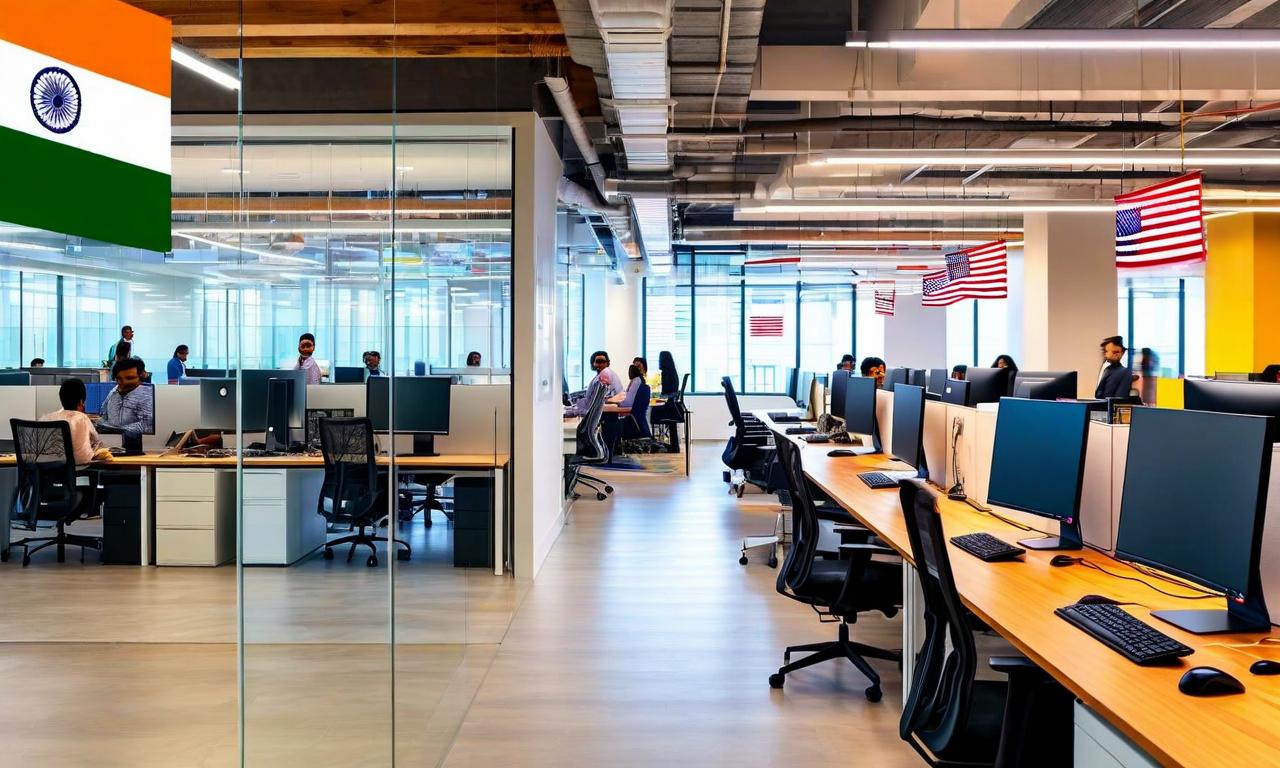

*this image is generated using AI for illustrative purposes only.
The Ministry of External Affairs has formally raised concerns with the United States regarding significant delays in H-1B visa processing affecting thousands of Indian nationals. On December 26, MEA spokesperson confirmed that India expects these concerns to be addressed by US authorities as widespread interview cancellations and enhanced vetting measures create major disruptions for Indian professionals.
Government Response and Diplomatic Engagement
MEA spokesperson Randhir Jaiswal confirmed that the government has received numerous representations from Indian nationals facing problems with rescheduled visa appointments. "We have flagged these issues and our concerns to the US side, both here in New Delhi and in Washington, DC," Jaiswal told reporters.
While acknowledging that visa-related matters fall under the sovereign authority of individual countries, India expects the US to address the delays and disruptions affecting H-1B and H-4 visa applicants. The government remains actively engaged with US authorities to minimize disruptions caused to Indian nationals.
Enhanced Vetting Measures and Processing Delays
Starting December 15, the US Department of State expanded online presence reviews to all H-1B and H-4 applicants globally as part of standard visa screening. This social media vetting process covers applicants of all nationalities for both new applications and renewals.
| Vetting Requirements: | Details |
|---|---|
| Implementation Date: | December 15 |
| Coverage: | All H-1B and H-4 applicants globally |
| Social Media Review: | Facebook, Instagram, X, LinkedIn |
| Profile Requirement: | Public profiles for screening |
| Processing Impact: | Additional processing time required |
Consular officers now review applicants' social media activity across multiple platforms, with the US Embassy advising applicants to keep their profiles public to facilitate screening.
Mass Interview Cancellations and Impact
Thousands of H-1B visa applicants have experienced abrupt postponements of their pre-scheduled interviews, creating significant challenges for Indian workers:
| Issue: | Impact |
|---|---|
| Interview Postponements: | December 15 appointments moved to March |
| Extended Delays: | December 19 interviews rescheduled to late May |
| Affected Population: | Thousands of Indian H-1B applicants |
| Re-entry Problems: | Workers in India unable to return to US |
US Embassy Warning Against Visa Scams
Amid processing delays, the US Embassy in India issued an advisory on December 26 warning applicants against fraudulent messages and agents offering guaranteed visas or faster approvals in exchange for money. "Visa scams and fraud are more common than you think, and they can cost you time, money, and your travel plans," the embassy stated.
The embassy emphasized that the only way to obtain a US visa is through official channels, with appointments bookable exclusively through www.ustraveldocs.com . Officials urged applicants to remain vigilant and rely only on credible sources to avoid falling victim to fraud.
Broader H-1B Program Changes
The developments occur as the US undertakes broader changes to its H-1B program. The Department of Homeland Security has announced plans to replace the lottery-based H-1B selection system with a weighted model prioritizing higher-paid and higher-skilled workers from the FY2027 cap registration season, while retaining the existing annual visa cap.
The H-1B visa program remains crucial for US technology companies to employ foreign workers, with Indians forming the largest group of H-1B visa holders. The diplomatic engagement between India and the US highlights the significant impact of visa processing delays on the large Indian professional community working in American technology sectors.
 20
20






 Access Market Heat-map & Insights
  Create, Save & Share your Screener
  Use 200+ Screening Filters





