India Expects Framework Trade Agreement with US in 2025


India is optimistic about finalizing a framework trade agreement with the United States in 2025. The first phase of their trade deal, focusing on reciprocal tariffs, is nearing completion. The US has granted tariff exemptions on 254 products worth $1 billion, primarily benefiting Indian agricultural exporters. These exemptions cover a range of products including fruits, nuts, processed foods, spices, tea, and coffee, potentially enhancing the competitiveness of Indian exports in the US market.

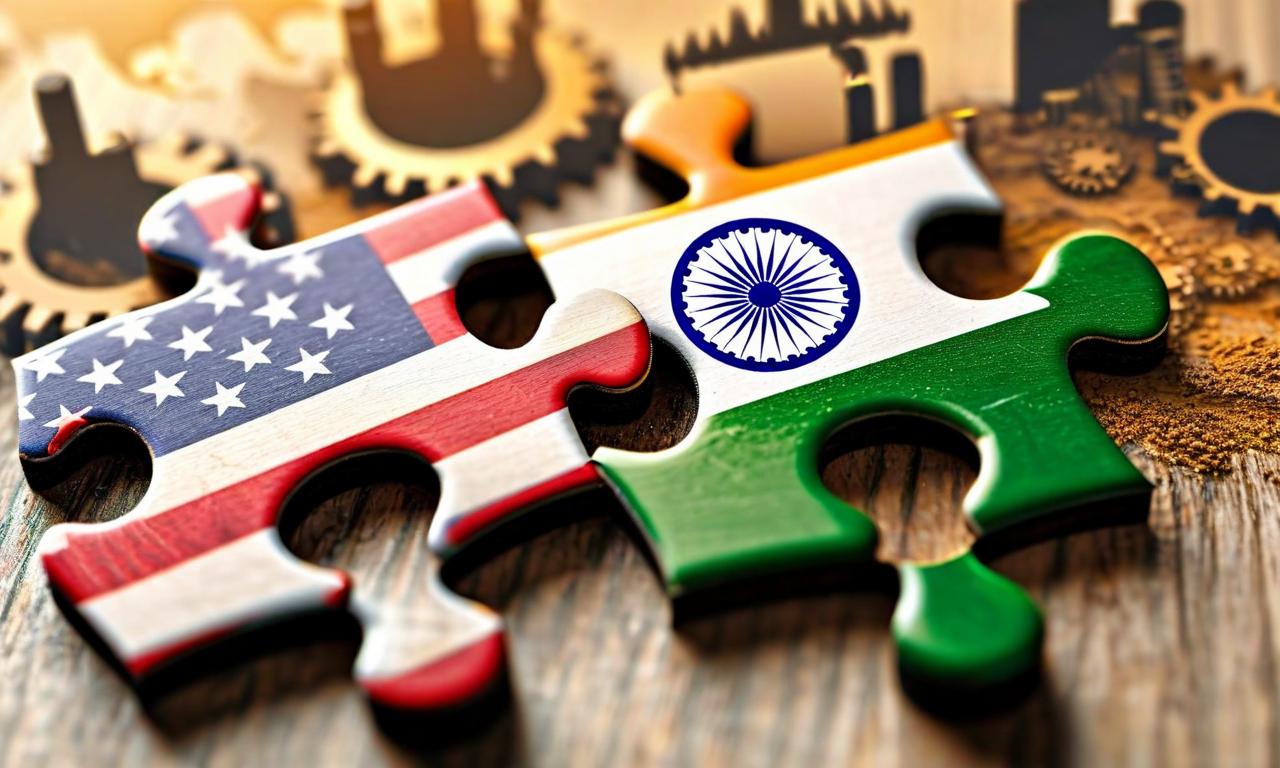
*this image is generated using AI for illustrative purposes only.
India has expressed optimism about reaching a framework trade agreement with the United States during 2025. This development comes as the first tranche of their trade deal approaches completion, primarily addressing reciprocal tariffs between the two economic giants.
Key Developments
- India expects to finalize a framework trade agreement with the U.S. in 2025.
- The potential agreement would affect bilateral trade relations between the two major economies.
- Most outstanding issues have reportedly been resolved.
- The first phase of the India-US trade deal is close to completion, focusing on reciprocal tariffs.
US Tariff Exemptions
The United States has granted tariff exemptions on a substantial number of products, potentially benefiting Indian exporters:
| Aspect | Details |
|---|---|
| Number of Products Exempted | 254 |
| Value of Exempted Products | $1.00 bn |
| Benefiting Sector | Agricultural exports |
| Total Agri Exports to US | $2.50 bn |
Products Benefiting from Exemptions
The tariff exemptions cover a wide range of agricultural products, including:
- Fruits
- Nuts
- Processed foods
- Spices
- Tea
- Coffee
These exemptions could enhance the competitiveness of Indian agricultural exporters in the US market.
Implications
The progress towards a framework trade agreement between India and the US represents a significant step in strengthening economic ties between the world's largest and fifth-largest economies. As the first tranche nears completion, it may set the stage for further negotiations and potential expansions in bilateral trade.
The focus on reciprocal tariffs in the current phase suggests that both countries are working towards creating a more balanced trade environment. This could potentially lead to increased market access and reduced trade barriers in future phases of the deal.
The potential agreement may influence various sectors and businesses operating in both markets. As discussions progress towards 2025, businesses and policymakers on both sides will likely be watching for official announcements and specific details of the agreement.
 17
17