India-UK Trade Pact Expected to Come Into Force by First Half of 2026: British Envoy


The India-UK Comprehensive Economic and Trade Agreement (CETA) is set for implementation in the first half of 2026, according to British Deputy High Commissioner Andrew Fleming. The 20,000-page agreement, signed on July 24, aims to double bilateral trade from $56 billion to $112 billion and will provide Indian exporters duty-free access for 99% of their products to UK markets. The pact covers 26 sectors and includes provisions for enhanced services trade and professional mobility, with India having exported over $19.8 billion in services to the UK in 2023.
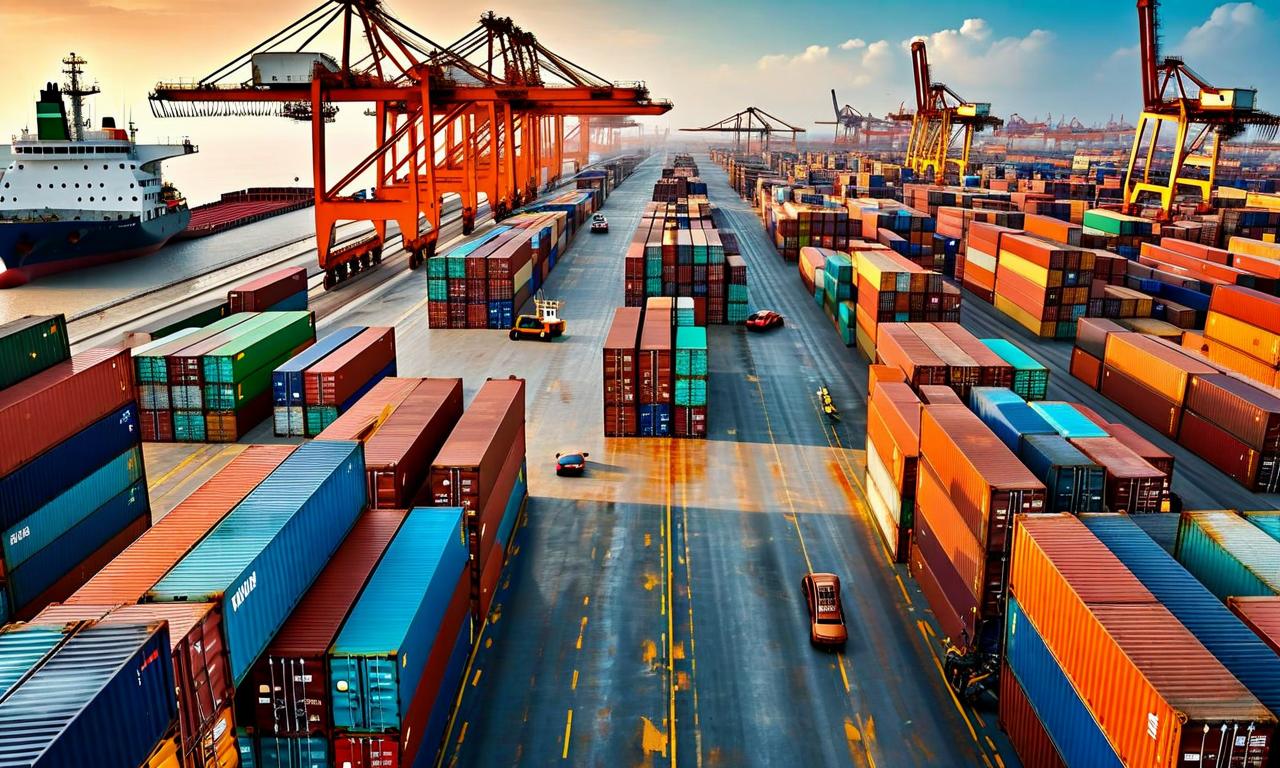
*this image is generated using AI for illustrative purposes only.
The India-UK Comprehensive Economic and Trade Agreement (CETA) is expected to be implemented in the first half of 2026, marking a significant milestone in bilateral economic relations between the two nations. British Deputy High Commissioner Andrew Fleming described the pact as the most "comprehensive and ambitious" deal negotiated by both governments, emphasizing its potential to transform trade dynamics across multiple sectors.
Agreement Overview and Timeline
The CETA, signed on July 24, represents India's most ambitious trade agreement to date, spanning approximately 20,000 pages and covering 26 sectors from tariffs to technology. Fleming stated that the first half of 2026 remains the target timeline for implementation, noting "we're getting closer and closer" to the rollout date.
| Agreement Details: | Specifications |
|---|---|
| Signing Date: | July 24 |
| Document Length: | ~20,000 pages |
| Sectors Covered: | 26 sectors |
| Expected Implementation: | First half of 2026 |
| Current Bilateral Trade: | $56 billion |
| Target Bilateral Trade: | $112 billion |
Market Access and Trade Benefits
Under the CETA framework, Indian exporters will gain duty-free access for 99% of their products to the UK market, covering nearly 100% of the trade value. The agreement is designed to double bilateral trade in goods and services from the current $56 billion to $112 billion.
The pact particularly benefits several key Indian export sectors:
Labour-intensive sectors:
- Textiles
- Leather products
- Marine products
- Gems and jewellery
- Toys
High-growth sectors:
- Engineering goods
- Chemicals
- Auto components
Services Trade and Professional Mobility
Beyond goods trade, the agreement addresses services—a core strength of the Indian economy. India exported over $19.8 billion in services to the UK in 2023, and the new framework promises expansion through enhanced mobility provisions for professionals across the IT sector.
The deal also benefits UK exports, particularly whisky, through tariff rationalization measures that will make British products more competitive in the Indian market.
Women and Gender Provisions
A distinctive feature of the CETA is its first-of-its-kind chapter on women and gender. Fleming highlighted this provision's particular significance for West Bengal, which accounts for 23% of woman-led businesses in India—the highest percentage nationwide. This focus is expected to generate large-scale employment opportunities and empower artisans and MSMEs.
Strategic Alignment and Future Vision
The agreement aligns with the 'Vision 2035' roadmap for deeper bilateral ties, encompassing multiple sectors including information technology, financial services, education, telecom, and engineering. Union Commerce and Industry Minister Piyush Goyal has noted that the free trade agreement would serve as a catalyst for inclusive growth, benefiting farmers, artisans, and innovators while safeguarding India's core interests and accelerating the country's journey towards becoming a global economic powerhouse.
Fleming urged regional businesses, particularly exporters in West Bengal and the 12 states across East and Northeast India, to begin immediate preparations to harness the upcoming benefits once the agreement becomes operational.
 20
20