

India, Canada, EU sign multilateralism declaration in New York


- India, Canada, EU, Australia, Brazil, Barbados, and Kenya co-sponsor joint declaration on multilateralism
- Signed in New York on Sept. 21, 2026, reaffirming commitment to UN Charter and international law
- Addresses growing polarisation, conflict spread, violations of international law, and power politics
- Commits to reforming multilateral institutions including UN80 initiative for better crisis response
- Focuses on AI, climate change, supply chain resilience, and addressing rising global inequalities

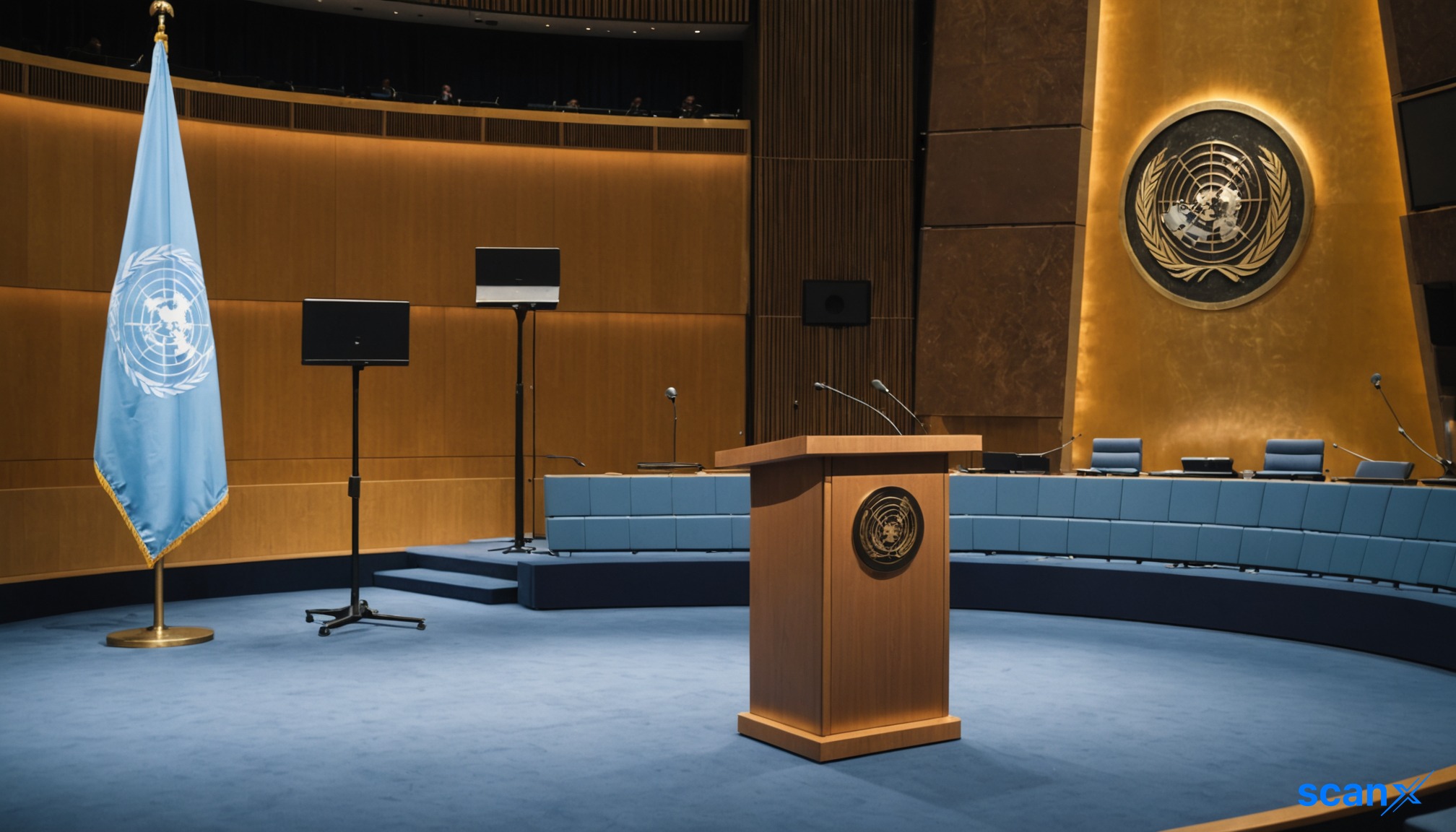

*this image is generated using AI for illustrative purposes only.
India, Canada, the European Union, Australia, Brazil, Barbados, and Kenya co-sponsored a joint declaration on multilateralism in New York on Sept. 21, 2026.
The seven initial co-sponsors signed the document to reaffirm their commitment to the United Nations Charter, international law, and the peaceful settlement of disputes. The declaration was issued from New York.
Key Commitments
The signatories addressed several global challenges and policy priorities:
- Uphold and enforce rules essential to international order while renewing and reforming the multilateral system to be more effective, representative, inclusive, and fit for purpose.
- Reaffirm commitment to sovereign equality, territorial integrity, and the prohibition of the threat or use of force.
- Support fair, open, resilient, predictable, and inclusive economic cooperation, including diversified global supply chains and reform of the multilateral trading system.
- Strengthen cooperation on emerging technologies, particularly artificial intelligence, climate change, biodiversity loss, pollution, and global health issues.
- Address rising inequalities within and among countries through joint efforts, including initiatives such as the Global Alliance Against Hunger and Poverty and the International Panel on Inequality.
- Reform and strengthen multilateral institutions, particularly the United Nations through initiatives such as UN80, to better prevent conflict, respond to crises, and deliver sustainable development.
Geopolitical Context
The declaration cites growing polarisation, the spread of conflict, violations of international law, and increasing resort to power politics, protectionism, coercion, and the threat or use of force as threats to international peace and security.
It notes that economic interdependence is increasingly used as a source of leverage, disrupting trade, supply chains, investment, and development finance. The signatories also highlighted the triple planetary crisis of climate emergency, biodiversity loss, and pollution as requiring stronger cooperation.
Implementation Pathway
The signatories committed to regular exchanges open to partners from all regions of the world to foster dialogue, coordination, and practical cooperation. They agreed to work closer with regional organisations and support regional integration.
The document is available at https://pm.gc.ca .

How might the inclusion of Brazil, India, and Kenya in this declaration shift the balance of power within UN reform initiatives like UN80?
What specific regulatory frameworks could emerge from the signatories' commitment to strengthening cooperation on artificial intelligence and emerging technologies?
In what ways could this coalition's push for diversified global supply chains impact current trade tensions between major economic blocs?
 16
16







 Create Custom Screeners
  Access 200+ Pre-built Filters
  Use 50+ Readymade Screener





