India Adopts Cautious Approach to US-Venezuela Crisis Amid Energy Security Concerns


India has responded cautiously to recent US actions in Venezuela, with former ambassador Anil Trigunayat explaining that New Delhi balances diplomatic principles with energy security needs. The response follows the capture of Venezuelan President Nicolas Maduro by US forces under President Trump. India's approach reflects concerns about energy diversification, existing investments in Venezuela's oil sector, and the broader implications for global oil supply chains in an increasingly polarized world order.

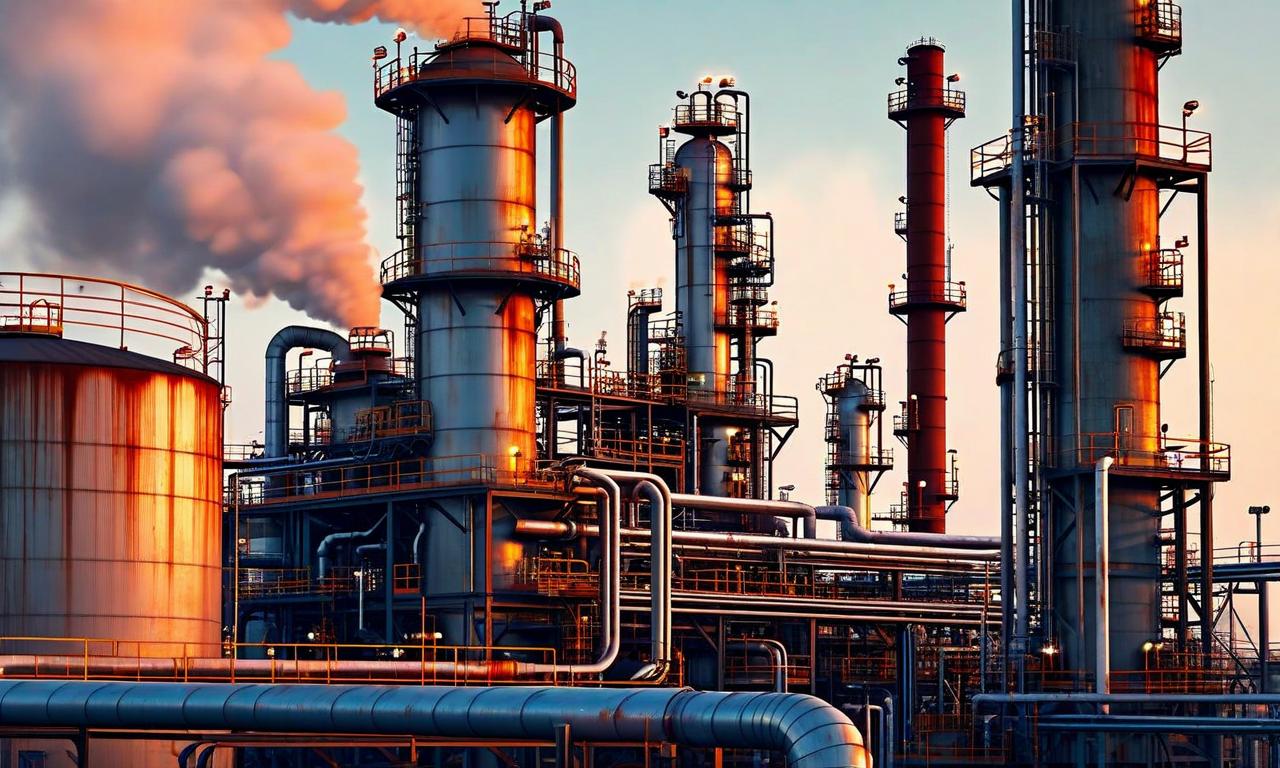
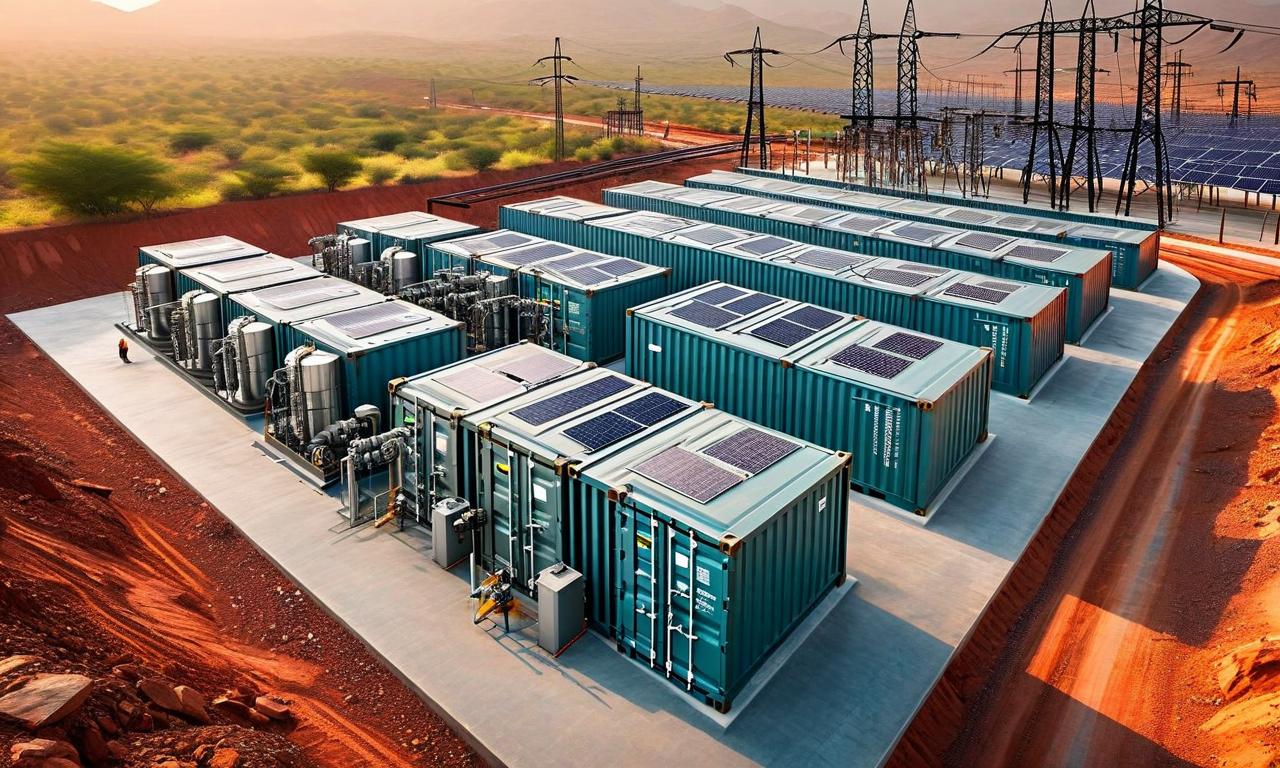
*this image is generated using AI for illustrative purposes only.
India has adopted a deliberately cautious stance regarding recent US actions in Venezuela, reflecting New Delhi's complex balancing act between diplomatic principles and strategic energy interests. The measured response comes as geopolitical tensions in the Western Hemisphere intensify following unprecedented developments involving Venezuelan leadership.
Diplomatic Balancing Act
India's response to the latest US action involving Venezuela has been carefully calibrated, signaling concern while stopping well short of outright condemnation. According to former Indian ambassador Anil Trigunayat, this careful wording reflects New Delhi's effort to balance principle with hard geopolitical and energy realities.
The developments center around the capture of Venezuela's President Nicolas Maduro and his wife, Cilia Flores, by United States forces. This marked an unprecedented geopolitical development under President Donald Trump, representing a dramatic escalation in US-Venezuela relations.
Energy Security Implications
From an Indian perspective, the Venezuela situation presents familiar challenges related to energy security and supply diversification. Trigunayat points out that India has previously conveyed to the United States that if it is expected to reduce oil purchases from Russia, alternative sources such as Venezuela or Iran must remain accessible.
| Key Factors: | Details |
|---|---|
| Energy Diversification: | India seeks alternatives to Russian oil |
| Investment Exposure: | Existing investments in Venezuela's oil sector |
| Supply Chain Impact: | Direct relevance to long-term energy interests |
| Strategic Flexibility: | Limited options from US for alternative sources |
That flexibility from the US side has not been forthcoming, according to Trigunayat. India also maintains investments in Venezuela's oil sector, making developments there directly relevant to its long-term energy interests and strategic planning.
Broader Geopolitical Context
Trigunayat argues that the unfolding situation should not be viewed as an isolated incident. In his assessment, it reflects a renewed assertion of American influence in the Western Hemisphere, consistent with strategic emphasis articulated under Trump's national security doctrine. The former ambassador characterizes the development as both symbolic and substantively significant.
As the US seeks to consolidate its position as a global oil superpower, control over oil flows, supply chains, and strategic choke points has become increasingly important. Trigunayat cautions that similar actions could emerge in other regions, suggesting broader implications for global energy markets.
International Response and Limitations
On the diplomatic front, an emergency meeting of the United Nations Security Council is expected, though Trigunayat remains skeptical about meaningful outcomes. With the US holding veto power, binding action through the Security Council appears unlikely.
Regionally, resistance is already visible across much of Latin America, which has criticized the move. Notable exceptions include Argentina and Ecuador, whose positions are shaped by their own distinct geopolitical strategies and relationships with the United States.
India's Strategic Approach
For India, Trigunayat describes the approach as one of watchful pragmatism, aimed at safeguarding national interests while clearly signaling discomfort with unilateral actions. The absence of strong condemnation should not be mistaken for endorsement, but rather represents strategic restraint in an increasingly polarized world order.
This measured response reflects India's broader diplomatic strategy of maintaining strategic autonomy while navigating complex international relationships and ensuring energy security in a volatile global environment.
 15
15