

IMF Urges Exchange Rate Flexibility and Fiscal Discipline Amid Economic Risks


The IMF has released recommendations for economic stability and growth, emphasizing exchange rate flexibility and fiscal discipline. Key points include improving labor markets and maintaining spending discipline to meet fiscal deficit goals. The IMF warns of economic risks from geopolitical conflicts and weather events. Suggestions include targeted tariff relief and potential fiscal consolidation in FY2026/27. Monetary easing is possible if tariffs remain high while inflation stays low. The recommendations highlight the complex relationship between various economic factors and the need for adaptable policies.



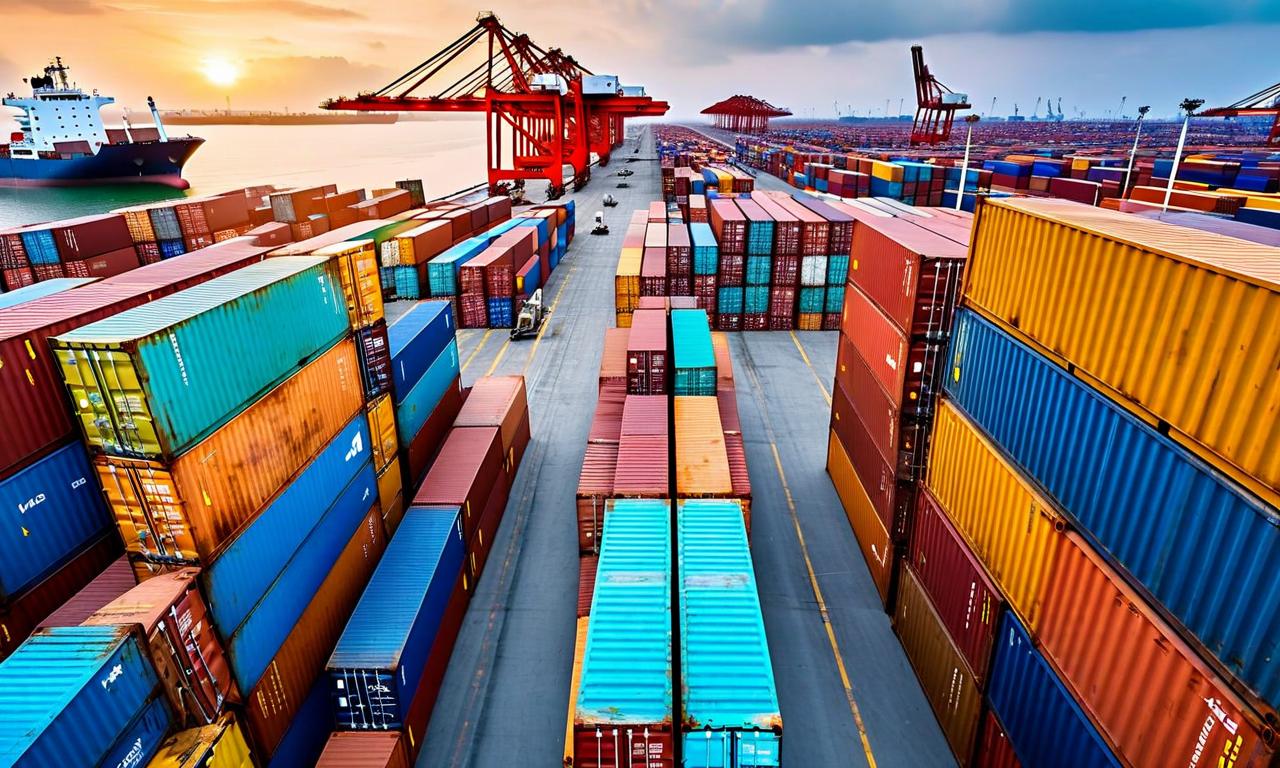
*this image is generated using AI for illustrative purposes only.
The International Monetary Fund (IMF) has recently issued a set of recommendations for economic stability and growth, emphasizing the need for greater exchange rate flexibility and strong fiscal discipline. These suggestions come alongside warnings about potential economic risks stemming from geopolitical conflicts and weather-related events.
Key Recommendations
The IMF's recommendations focus on several critical areas:
Exchange Rate Flexibility: The IMF advocates for increased flexibility in exchange rates, which could help economies better absorb external shocks and maintain competitiveness.
Labor Market Improvements: Enhancing labor market conditions is highlighted as a priority, potentially to boost productivity and economic resilience.
Fiscal Discipline: The IMF stresses the importance of maintaining strong spending discipline to meet fiscal deficit goals, underlining the need for prudent financial management.
Economic Risks
The IMF has also pointed out several risk factors that could impact economic stability:
- Geopolitical Conflicts: Ongoing or potential geopolitical tensions are identified as significant threats to economic stability.
- Weather Events: The increasing frequency and severity of weather-related incidents are recognized as potential disruptors to economic activities.
Tariff Considerations
The IMF's report touches upon tariff-related measures and their potential impacts:
- Targeted Relief: The Fund suggests implementing targeted tariff relief measures, which could help alleviate economic pressures in specific sectors.
- Fiscal Consolidation Timing: The timing for fiscal consolidation in FY2026/27 is expected to be influenced by the impacts of tariff changes.
- Monetary Policy: There's a possibility for further monetary easing if tariffs remain elevated while inflation stays low.
Implications for Fiscal and Monetary Policy
The IMF's recommendations have significant implications for both fiscal and monetary policy:
| Policy Area | Recommendation | Condition |
|---|---|---|
| Fiscal Policy | Potential fiscal consolidation | Dependent on tariff impacts in FY2026/27 |
| Monetary Policy | Possible further easing | If tariffs remain high and inflation low |
These policy suggestions reflect the IMF's nuanced approach to addressing economic challenges, taking into account various factors that could influence financial stability and growth.
The IMF's recommendations underscore the complex interplay between exchange rates, labor markets, fiscal policy, and external economic factors. As nations navigate these challenges, the emphasis on flexibility and disciplined financial management appears to be key in fostering economic resilience and sustainable growth.
 16
16






 Access Market Heat-map & Insights
  Create, Save & Share your Screener
  Use 200+ Screening Filters





