IATA Chief Demands Fair Compensation for Airlines Amid Supply Chain Woes

1 min read     Updated on 15 Nov 2025, 11:55 AM
scanx
Reviewed by
Shraddha JScanX News Team
Overview

IATA Director General Willie Walsh criticizes aircraft manufacturers for supply chain disruptions and pricing strategies. The global airline industry faces an estimated $11 billion cost in 2025 due to these issues. Walsh calls for fair compensation for airlines and questions OEMs' plans to increase prices while maintaining high profit margins. The current aircraft backlog exceeds 17,000, up from an average of 13,000 per year from 2010-2019.
24733545

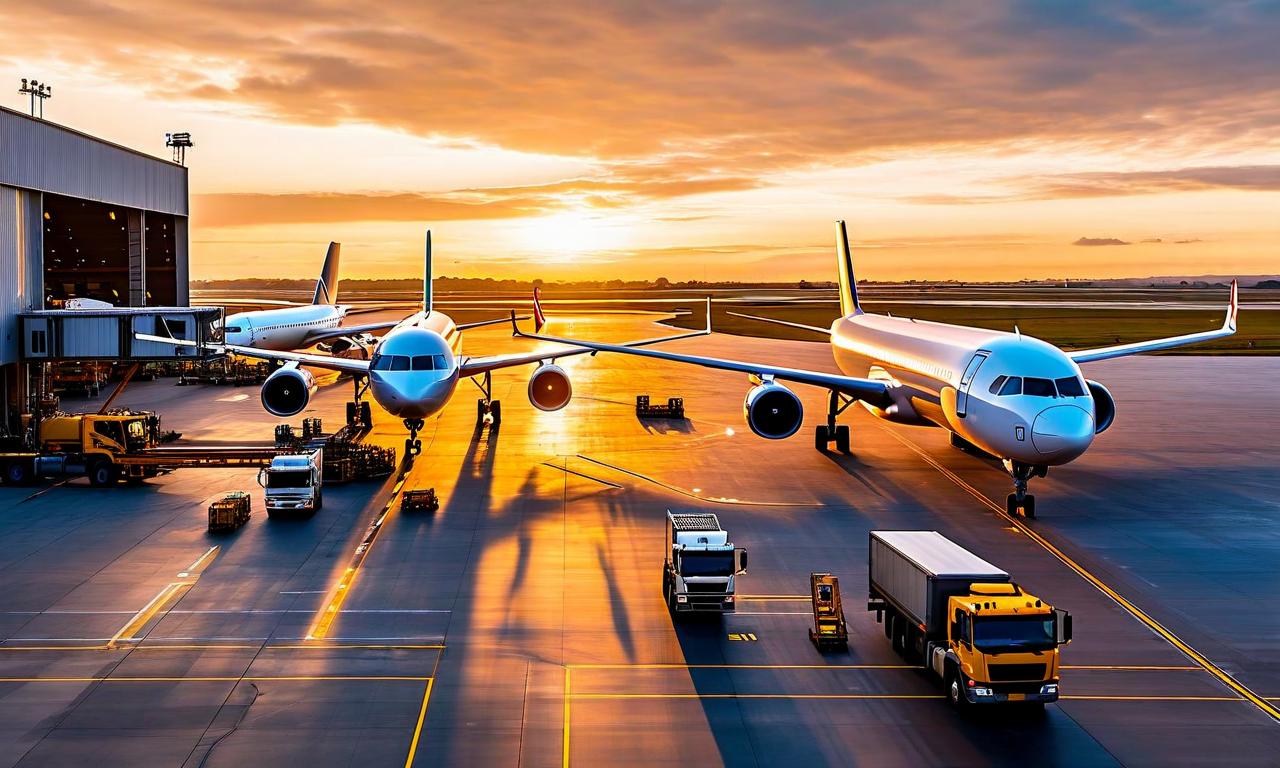
*this image is generated using AI for illustrative purposes only.

IATA Director General Willie Walsh has voiced strong criticism over persistent aircraft supply chain issues, calling for airlines to receive proper compensation. The outspoken industry leader took aim at Original Equipment Manufacturers (OEMs) for their plans to increase prices due to tariffs while maintaining high profit margins.

Supply Chain Disruptions: A Costly Affair

The ongoing supply chain challenges are expected to have a significant financial impact on the global airline industry. Here's a breakdown of the key figures:

Impact Area Details
Estimated Cost to Airlines Over USD 11.00 billion in 2025
Current Aircraft Backlog Exceeding 17,000 aircraft
Historical Context 13,000 planes per year (2010-2019)

Walsh's Stance on OEM Pricing

Walsh expressed frustration with OEMs' approach to pricing amid these challenges. His main points of contention include:

  1. Price Increases: OEMs planning to raise prices, citing tariffs as the reason.
  2. Profit Margins: Criticism of OEMs for maintaining high margins despite industry difficulties.
  3. Fair Compensation: A call for airlines to be properly compensated in light of these challenges.

Industry Implications

The substantial increase in the worldwide commercial aircraft backlog - from an average of 13,000 planes per year in the 2010-2019 period to over 17,000 currently - underscores the severity of the supply chain disruptions. This backlog not only represents delayed fleet renewals and expansions for airlines but also signifies potential long-term impacts on operational efficiency and modernization efforts across the industry.

Walsh's comments highlight the growing tension between airlines and their suppliers, particularly as the industry continues to recover from the impacts of the global pandemic. The IATA chief's call for fair compensation suggests a need for a more balanced approach to risk and reward sharing within the aviation ecosystem.

As the situation unfolds, industry stakeholders will be closely watching how OEMs respond to these criticisms and whether any changes in pricing strategies or supply chain management practices emerge as a result of this high-profile critique.

like15
dislike

IATA Warns: Supply Chain Woes Could Cost Airlines $11 Billion in 2025

1 min read     Updated on 14 Oct 2025, 01:27 AM
scanx
Reviewed by
Shriram SScanX News Team
Overview

The International Air Transport Association (IATA) predicts supply chain disruptions will cost the global airline industry $11 billion in 2025. The impact stems from aircraft delivery delays and engine repair issues, forcing airlines to use older, less efficient planes. Costs include $4.2 billion in additional fuel, $3.1 billion in increased maintenance, $2.6 billion in higher engine leasing, and $1.4 billion in spare parts inventory. Despite these challenges, IATA projects a $36 billion profit for airlines in 2025. The industry faces an average fleet age of nearly 15 years, a 20-30% increase in aircraft lease rates since 2019, and a backlog exceeding 17,000 aircraft.

21931061

*this image is generated using AI for illustrative purposes only.

The International Air Transport Association (IATA) has sounded the alarm on a looming financial challenge for the global airline industry. According to their latest report, supply chain disruptions could inflict a staggering $11 billion blow to airlines' bottom lines in 2025. This forecast comes amid ongoing challenges in aircraft deliveries and engine repairs, forcing carriers to rely on older, less efficient planes.

Breaking Down the Costs

The financial impact of these supply chain issues is multifaceted:

Cost Category Amount (in billions)
Additional Fuel Costs $4.20
Increased Maintenance $3.10
Higher Engine Leasing $2.60
Spare Parts Inventory $1.40
Total Impact $11.30

Root Causes and Industry Trends

Several factors contribute to this challenging landscape:

  1. Delivery Delays: Only 1,250 new aircraft were delivered worldwide in 2024, significantly below pre-pandemic levels.
  2. Aging Fleet: The average fleet age has increased to nearly 15 years from pre-COVID levels.
  3. Leasing Cost Surge: Aircraft lease rates have risen by 20-30% since 2019.
  4. Massive Backlog: The industry's order backlog exceeds 17,000 aircraft.

Financial Outlook and Industry Response

Despite these challenges, IATA projects a $36 billion profit for airlines in 2025. However, the association cautions that supply chain pressures could slow growth and compress margins. In response, IATA has called upon manufacturers and regulators to address bottlenecks and expand maintenance capacity.

Implications for the Industry

The situation presents a complex set of challenges for airlines:

  1. Operational Efficiency: Airlines are forced to operate older, less fuel-efficient aircraft, impacting their operational costs and environmental footprint.
  2. Financial Strain: The additional costs across various categories put pressure on airlines' profitability, potentially affecting ticket prices and service quality.
  3. Fleet Management: Carriers must navigate the delicate balance between maintaining aging fleets and waiting for new, more efficient aircraft deliveries.
  4. Industry Collaboration: The call for manufacturers and regulators to address these issues highlights the need for a coordinated industry-wide response.

As the aviation industry continues to recover from the impacts of the COVID-19 pandemic, these supply chain challenges present a significant hurdle. Airlines, manufacturers, and regulators will need to work closely to mitigate these issues and ensure the long-term stability and growth of the global air transport sector.

like15

dislike
Explore Other Articles
Power Mech Projects Subsidiary Secures ₹1,563 Crore BESS Contract from WBSEDCL 4 hours ago
Elpro International Acquires Additional Stake in Sundrop Brands for ₹39.18 Crores 5 hours ago
Transformers & Rectifiers Targets ₹8000 Crore Order Book by FY26 End 6 hours ago
Reliance Industries Schedules Board Meeting for January 16, 2026 to Approve Q3FY26 Financial Results 7 hours ago
Krishival Foods Limited Completes Rights Issue Allotment of 3.33 Lakh Partly Paid-Up Equity Shares 6 hours ago
Raymond Realty Board Approves Employee Stock Option Plan 2025 Following Demerger 6 hours ago