Germany's Merz Announces EU-India Trade Agreement Largely Negotiated

0 min read     Updated on 23 Jan 2026, 08:43 PM
scanx
Reviewed by
Anirudha BScanX News Team
Overview

Germany's Merz announced that the EU-India trade agreement has been largely negotiated, representing significant progress in bilateral trade relations. This development marks an important milestone in the long-standing negotiations between the European Union and India, potentially reshaping economic ties between the two major economic blocs.

30726839

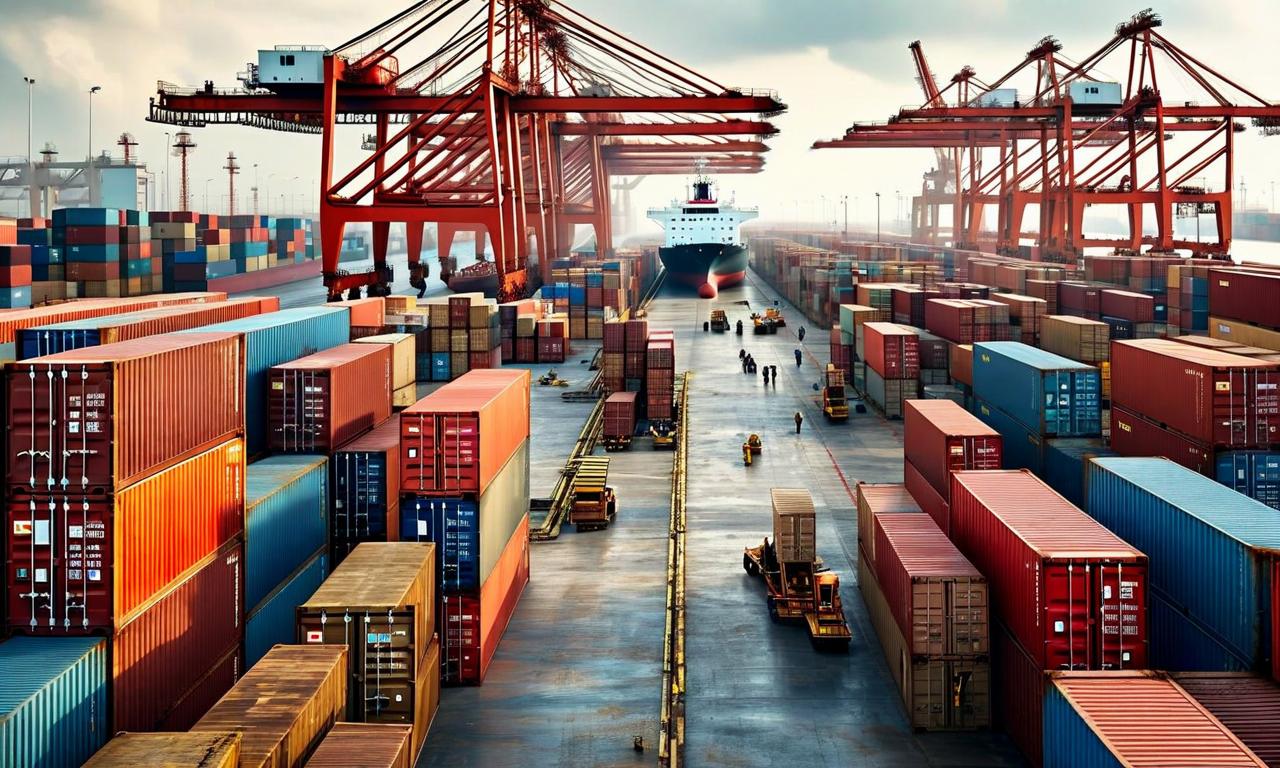
*this image is generated using AI for illustrative purposes only.

Germany's Merz has announced that the European Union's trade agreement with India has been largely negotiated, marking a significant milestone in the long-standing trade discussions between the two major economic blocs.

Trade Agreement Progress

The announcement indicates that negotiations between the EU and India have reached an advanced stage. This development represents substantial progress in bilateral trade relations that have been under discussion for an extended period.

Implications for Economic Relations

The largely negotiated trade agreement could potentially reshape the economic landscape between Europe and India. Such comprehensive trade deals typically cover various sectors including goods, services, and investment frameworks.

Development: Status
Trade Agreement: Largely Negotiated
Parties Involved: European Union and India
Announcement Source: Germany's Merz

Strategic Significance

This announcement comes at a time when global trade relationships are increasingly important for economic growth and stability. The EU-India trade agreement represents a significant step forward in strengthening ties between two major economic regions.

The progress reported by Merz suggests that both sides have worked through major negotiation points, bringing the comprehensive trade deal closer to finalization and potential implementation.

like18
dislike

France Backs EU Parliament's Position to Halt EU-U.S. Trade Agreement

1 min read     Updated on 20 Jan 2026, 08:44 PM
scanx
Reviewed by
Shraddha JScanX News Team
Overview

France has expressed support for the European Parliament's position to halt the EU-U.S. trade agreement negotiations. This backing represents alignment between France and parliamentary concerns regarding the proposed trade deal. The development could significantly influence future EU-U.S. trade discussions and reshape the approach to transatlantic economic cooperation.

30467647

*this image is generated using AI for illustrative purposes only.

France has announced its support for the European Parliament's position to halt the ongoing EU-U.S. trade agreement, marking a notable development in transatlantic trade relations. This backing represents France's alignment with parliamentary concerns regarding the proposed trade deal between the European Union and the United States.

French Position on Trade Agreement

The French government's decision to support the European Parliament's stance demonstrates a coordinated approach within EU institutions regarding the trade negotiations. This alignment between France and the Parliament could significantly influence the direction of future discussions between the EU and U.S. on trade matters.

Impact on EU-U.S. Relations

The development highlights the complexities involved in negotiating comprehensive trade agreements between major economic blocs. France's backing of the Parliament's position adds weight to the calls for halting the current negotiations, potentially reshaping the timeline and approach for future trade discussions.

Parliamentary Influence

The European Parliament's desire to halt the trade agreement has now gained support from one of the EU's most influential member states. This parliamentary position, now backed by France, could affect how other EU member states approach the ongoing trade negotiations with the United States.

The French support for the Parliament's stance represents a significant moment in the ongoing dialogue between European and American trade representatives, potentially influencing the future course of transatlantic economic cooperation.

like15
dislike