German Q4 GDP Growth Accelerates to 0.3%, Exceeding Forecasts

1 min read     Updated on 30 Jan 2026, 02:58 PM
scanx
Reviewed by
Anirudha BScanX News Team
Overview

Germany's Q4 GDP grew 0.3% quarter-on-quarter, exceeding the 0.2% forecast and improving significantly from the previous quarter's 0.0% growth. This positive economic data indicates recovery momentum for Europe's largest economy, with actual performance surpassing both market expectations and prior quarterly results.

31310895

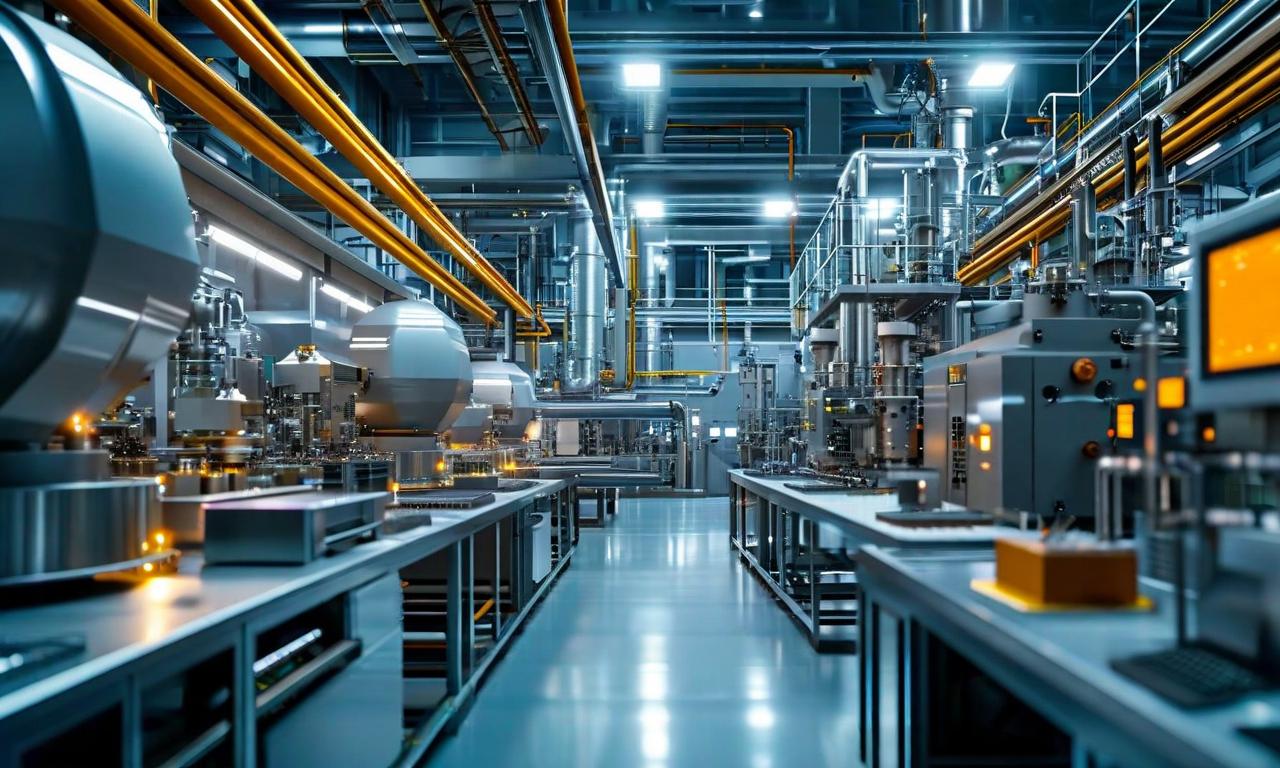
*this image is generated using AI for illustrative purposes only.

Germany's economy demonstrated resilience in the fourth quarter, with gross domestic product expanding at a faster pace than anticipated. The latest economic data reveals encouraging signs of recovery for Europe's largest economy.

Q4 GDP Performance Overview

The German economy recorded quarter-on-quarter GDP growth that surpassed both previous performance and market expectations:

Metric: Q4 Actual Previous Quarter Estimate
GDP Growth (QoQ): 0.3% 0.0% 0.2%

Economic Recovery Momentum

The 0.3% quarterly growth represents a notable acceleration from the previous quarter's stagnant performance. This improvement suggests that the German economy gained traction during the fourth quarter, moving beyond the flat growth experienced in the prior three-month period.

The actual growth figure of 0.3% also exceeded economist forecasts of 0.2%, indicating that economic activity was stronger than anticipated. This positive surprise in GDP data reflects the underlying strength of various economic sectors contributing to overall growth.

Market Implications

The better-than-expected GDP performance provides evidence of economic stabilization and potential recovery momentum. The transition from zero growth in the previous quarter to positive expansion demonstrates the economy's ability to regain footing after a period of stagnation.

like15
dislike

India-Germany Partnership Strengthens with Defence and Technology Agreements

2 min read     Updated on 12 Jan 2026, 03:08 PM
scanx
Reviewed by
Anirudha BScanX News Team
Overview

Prime Minister Modi and German Chancellor Merz signed two major agreements covering critical minerals, semiconductors, and defence cooperation, strengthening the India-Germany strategic partnership. With bilateral trade exceeding $50 billion, both leaders announced the creation of an India-Germany Centre of Excellence for renewable energy cooperation, marking significant progress as the countries approach 75 years of diplomatic relations in 2026.

29756314

*this image is generated using AI for illustrative purposes only.

India and Germany moved to significantly deepen their strategic and economic partnership as Prime Minister Narendra Modi and German Chancellor Friedrich Merz oversaw the signing of two key agreements covering critical minerals, semiconductors and defence industrial cooperation. The agreements mark a substantial step forward in bilateral relations between the two democracies.

Key Agreements Signed

Two major agreements were formalized during the joint statement event, demonstrating both countries' commitment to enhanced cooperation:

Agreement Type Focus Areas
Critical Minerals and Semiconductor Intent Agreement Technology and manufacturing cooperation
Declaration of Intent on Defence Industrial Cooperation Security and defence trade enhancement

Prime Minister Modi emphasized that the expanding cooperation in defence and security reflected the "mutual trust and shared vision" between the two democracies. He thanked Chancellor Merz for simplifying defence trade procedures, which is expected to facilitate smoother bilateral defence transactions.

Renewable Energy and Technology Cooperation

Both leaders highlighted shared priorities in renewable energy sector development. Modi announced the creation of an India-Germany Centre of Excellence to further boost cooperation in renewable energy initiatives. This center will serve as a focal point for joint research and development activities between the two nations.

Chancellor Merz, who is in India for a two-day visit, emphasized that cooperation between India and Germany was vital in a world facing growing geopolitical and economic uncertainty, particularly from major global economies.

Bilateral Trade Milestone

The partnership has achieved significant economic momentum, with key trade statistics highlighting the relationship's strength:

Trade Metric Achievement
Bilateral Trade Volume Exceeds $50.00 billion
Status Record high
Impact New energy to strategic partnership

Modi noted that "growing trade and investment ties have given new energy to our strategic partnership," emphasizing the economic foundation supporting broader cooperation.

Diplomatic Milestones and Cultural Exchange

The meeting occurs at a symbolic moment for bilateral relations. Modi highlighted that India and Germany will mark 75 years of diplomatic relations in 2026, while having completed 25 years of strategic partnership last year. These milestones reflect the depth of trust and ambition between the two sides.

During the visit, both leaders participated in cultural activities, attending a traditional kite festival and visiting the Sabarmati Ashram, where Mahatma Gandhi lived during India's freedom struggle. Modi hosted Merz in Ahmedabad, Gujarat, before the German leader's planned travel to Bengaluru, India's technology hub.

Strategic Context

Merz's India visit represents his first trip to Asia since taking office and comes two weeks ahead of a planned EU-India summit. The visit occurs as negotiations continue on a free trade agreement between India and the European Union. A German government spokesman noted that Merz choosing India for his first Asian trip "demonstrates how India, the world's largest democracy, is an important strategic partner for Germany."

like16
dislike