NewsGlobalG7 Finance Ministers to Convene in Washington on January 12 for Rare Earths Supply Discussion
G7 Finance Ministers to Convene in Washington on January 12 for Rare Earths Supply Discussion


G7 finance ministers will meet in Washington on January 12 to discuss rare earths supplies and price floors, addressing the group's heavy reliance on China for critical materials. The meeting follows the G7's June action plan to secure supply chains, with price floor discussions aimed at making investments in critical minerals outside China economically viable.

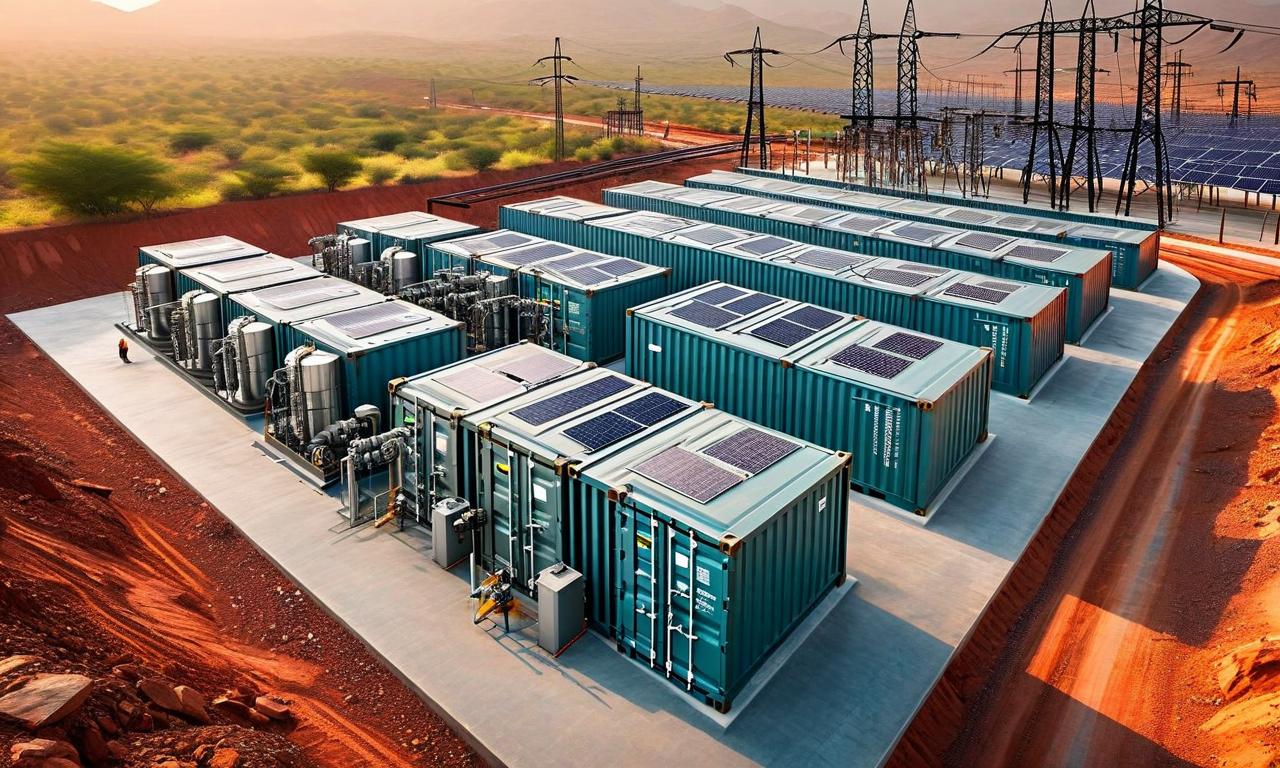
*this image is generated using AI for illustrative purposes only.
Finance ministers from the Group of Seven nations are set to convene in Washington on January 12 to address critical issues surrounding rare earths supplies, according to three sources familiar with the matter. The high-level meeting represents a significant step in the G7's ongoing efforts to strengthen supply chain security for essential materials.
Key Discussion Points
The upcoming meeting will focus on several critical aspects of rare earths and mineral supply chains:
| Discussion Topic: | Details |
|---|---|
| Meeting Date: | January 12 |
| Location: | Washington |
| Primary Focus: | Rare earths supplies |
| Key Agenda Item: | Price floors for rare earths |
| Broader Scope: | Critical mineral topics |
Price floors for rare earths will serve as a central point of discussion among the finance ministers. This mechanism aims to make investments in critical minerals outside China economically viable by establishing minimum pricing standards.
Supply Chain Dependencies
The G7 nations face significant challenges regarding their reliance on China for critical materials. Currently, G7 countries except Japan depend heavily or exclusively on China for various essential materials, including rare earth magnets and battery metals. This dependency has prompted urgent discussions about supply chain diversification and security measures.
Previous G7 Initiatives
The January meeting builds upon previous G7 commitments to address supply chain vulnerabilities. In June of the previous year, the G7 agreed on a comprehensive action plan designed to secure their supply chains and strengthen their economies. This action plan established the framework for ongoing discussions about critical mineral security.
Officials began exploring price floor mechanisms in the previous year as part of broader efforts to encourage investment in critical mineral projects outside China. The United States has already taken concrete action in this area, becoming the first G7 nation to establish a minimum price structure in a contract for domestic rare earths supplies.
Strategic Implications
The Washington meeting represents a coordinated international approach to addressing critical mineral supply chain challenges. By establishing price floors and other supportive mechanisms, the G7 nations aim to create economic incentives for developing alternative supply sources and reducing strategic dependencies on single-country suppliers.
 16
16