

Friends of Science report calls Quebec decarbonization plan costly, urges recarbonization


- Friends of Science Society report labels Quebec's decarbonization plan costly and unlikely
- Hydro-Quebert requires $110 billion investment by 2035 for 8,000–9,000 MW capacity addition
- Report links electrification push to Chinese geopolitical advantages via Doomberg analysis
- Group urges OSFI to reconsider Guideline B-15 and calls for national recarbonization
- Quebec per capita emissions are 9.1 tonnes, less than half the Canadian average

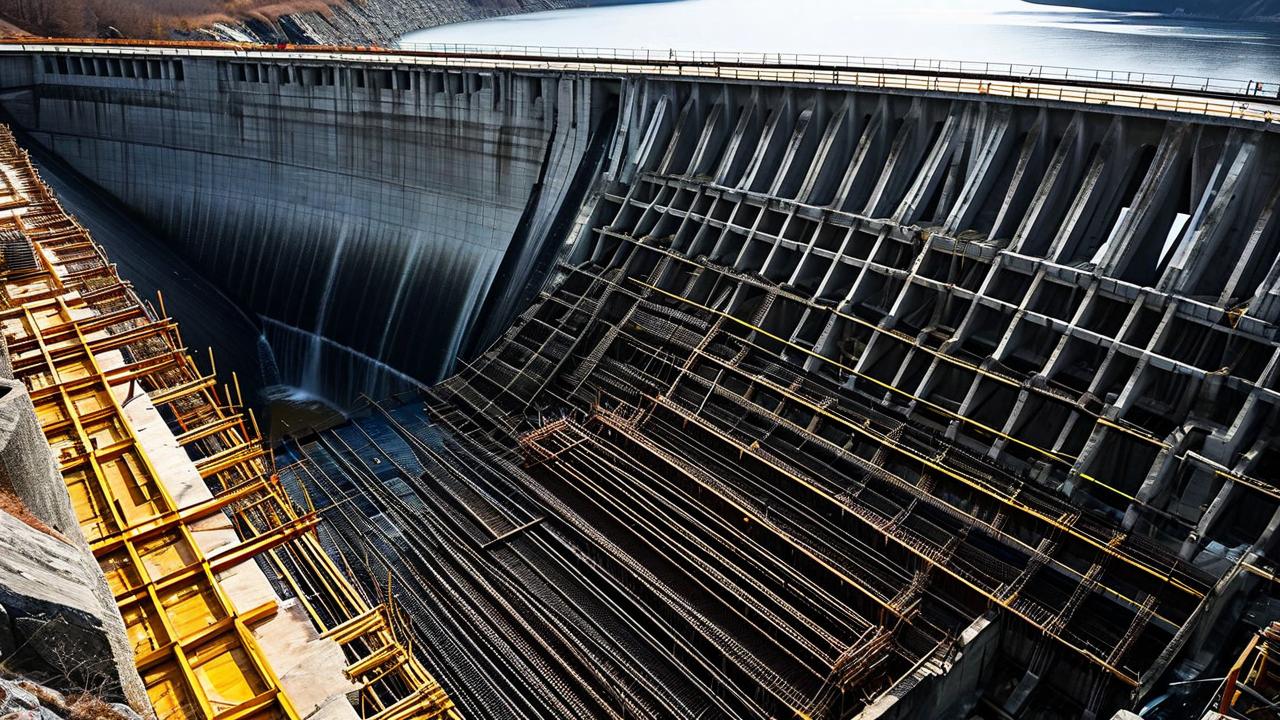

*this image is generated using AI for illustrative purposes only.
A new report by the Friends of Science Society argues that Quebec’s pursuit of decarbonization is economically damaging and unlikely to succeed. The group advocates for Canada to "recarbonize" to ensure national security.
Cost and Scale of Decarbonization
The report, titled Quebec's Pursuit Of Decarbonization: A Difficult and Costly Challenge with Questionable Benefits, was authored by retired energy economist Robert Lyman. It highlights the massive infrastructure build-out required for Quebec to reach carbon neutrality by 2050.
| Metric | Requirement | Source Estimate |
|---|---|---|
| Additional Electricity | >100 terawatt-hours | Hydro-Quebec |
| Generating Capacity | 8,000–9,000 MW | Hydro-Quebec |
| Transmission Lines | 5,000 km | Hydro-Quebec |
| Investment Needed | $110 billion | By 2035 |
Lyman notes that the additional electricity requirement represents more than half of Hydro-Quebec’s annual generating capacity. The $110 billion investment figure is required by 2035 to achieve these infrastructure targets.
Emissions Context
The report contextualizes Quebec’s emissions globally. Canada produces 1.5% of annual global greenhouse gas (GHG) emissions, while Quebec produces less than 0.2%. Per capita GHG emissions in Quebec stand at 9.1 tonnes, roughly half the Canadian average.
Despite over 99% of electricity generation coming from renewable sources, primarily low-cost hydro, hydrocarbons supply about half of Quebec’s total energy needs. This exceeds the share supplied by electricity.
Geopolitical and Market Arguments
The Friends of Science Society links the "electrify everything" narrative to geopolitical risks. Citing energy commentators at Doomberg, the report suggests this shift benefits China, which dominates battery and renewable industries. An op-ed in the Western Standard by the society’s Communications Manager describes electrification as a "geopolitical trap."
The report also references a National Association of Scholars (NAS) study on China’s role in California’s energy mandates. Quebec participates in the California carbon market as a sub-national partner. The average 2025 auction price for Quebec permits was CAD 39.39 (USD 28.14). On June 25, 2026, Washington state signed an agreement to begin linking its carbon market with California and Quebec.
Call for Recarbonization
In an open letter to the Office of the Superintendent of Financial Institutions, the Friends of Science Society urged a reconsideration of climate risk Guideline B-15. The group argues that Canada must abandon climate ideology based on what it terms flawed science, citing physicist Prof. William van Wijngaarden.
The society also highlighted historical impacts on Alberta’s oil sands, claiming billions in projects were blocked by environmental activism. This left Canada with the United States as its primary oil and gas customer. Dr. Tammy Nemeth’s report for the Allan Inquiry is cited regarding the transnational nature of these campaigns.

How might the proposed $110 billion infrastructure investment impact Hydro-Quebec's debt sustainability and future electricity pricing for consumers?
What are the potential economic consequences for Quebec if it withdraws from the California carbon market linkage ahead of the 2026 Washington state integration?
Could a shift toward 'recarbonization' policies trigger regulatory conflicts with federal Canadian climate targets or international trade agreements?
 17
17





 Access 50+ Readymade Screeners
  Use 200+ Custom Filters
  Get Full Market Insights





