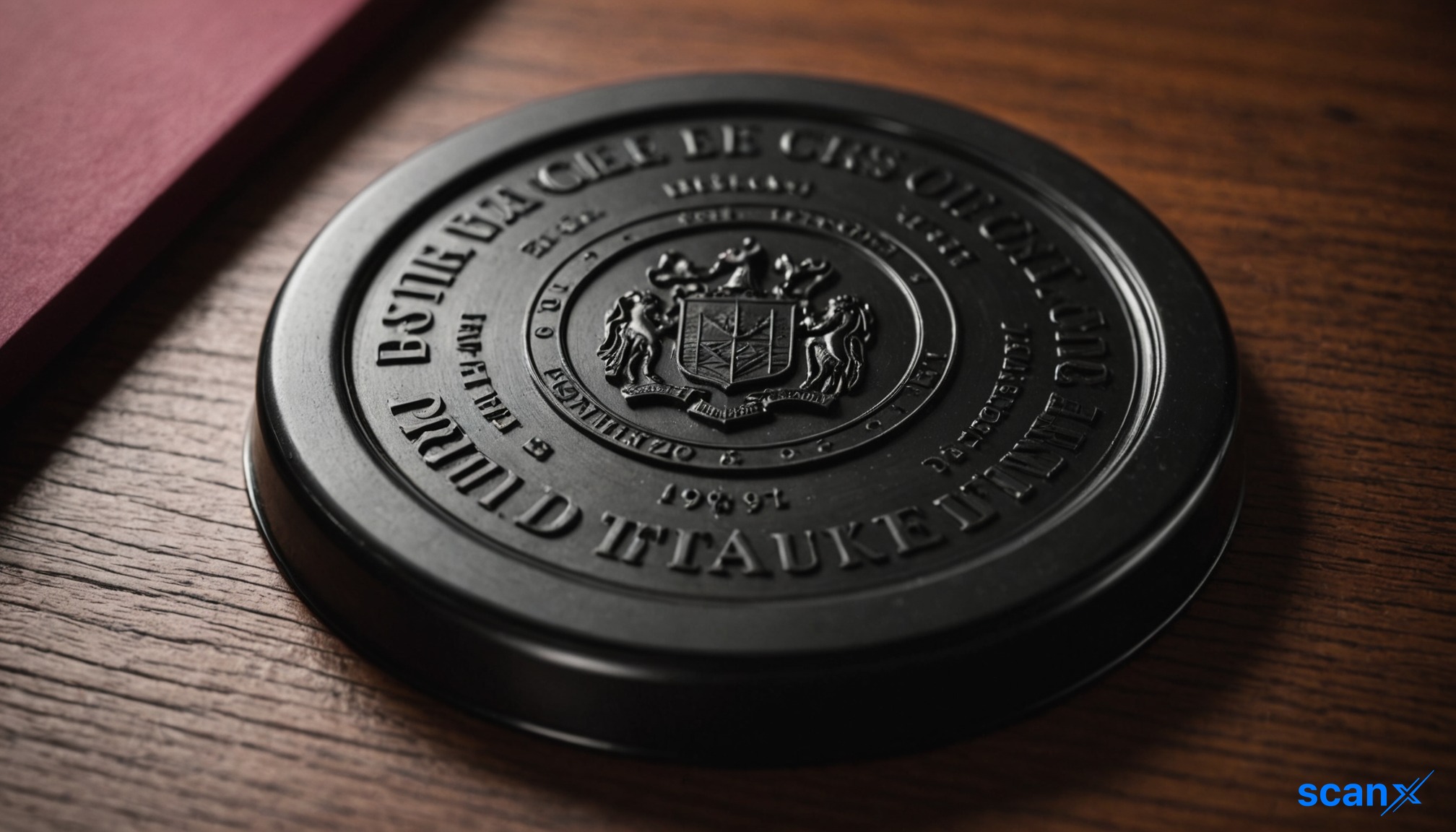
France signs first participation contract for Expo 2030 Riyadh

scanx
Reviewed by
Anirudha BScanX News Team
Key Highlights
  • France becomes the first official participant to sign its Participation Contract for Expo 2030 Riyadh
  • The agreement was signed during Crown Prince Mohammed bin Salman's visit to Paris
  • The France Pavilion will be located in the 'Planet' district with the theme 'Under One Sky'
  • Expo 2030 Riyadh expects over 200 participants and 42 million visits from October 2030 to March 2031
powered bylight_fuzz_icon
49225467

*this image is generated using AI for illustrative purposes only.

France has become the first country to officially sign its Participation Contract for Expo 2030 Riyadh, marking a key milestone in the event’s international mobilization. The signing occurred in Paris during the visit of His Royal Highness Prince Mohammed bin Salman bin Abdulaziz Al Saud, Crown Prince and Prime Minister of Saudi Arabia.

The ceremony was attended by H.H. Prince Faisal bin Farhan Al Saud, Minister of Foreign Affairs of the Kingdom of Saudi Arabia, and Dimitri S. Kerkentzes, Secretary General of the Bureau International des Expositions (BIE). Talal Al-Marri, Chief Executive Officer of Expo 2030 Riyadh, and Jacques Maire, Chairman of the Compagnie Française des Expositions (COFREX), executed the agreement.

Agreement Details

The contract formally establishes France’s participation in the six-month event, which runs from October 1, 2030, to March 31, 2031. It specifies the location and space allocated to the France Pavilion within the ‘Planet’ district. The document outlines the Pavilion’s theme, “Under One Sky,” and sets out the broad lines of the visitor experience.

According to COFREX, the Pavilion is built around four elements: sky, earth, fire, and water. The design aims to offer an immersive public experience while allowing French businesses to demonstrate capabilities related to ecological transition and planetary protection.

Event Momentum

Expo 2030 Riyadh will operate under the theme “Foresight for Tomorrow.” The organizers expect more than 200 official participants and 42 million visits across a 6 million square meter site divided into five distinct districts. The milestone follows the recent signing of the See Agreement between Saudi Arabia and the BIE.

Talal Al-Marri noted that France brings deep expertise in culture, innovation, and visitor experience creation. He stated that the signing demonstrates strong momentum behind international participation for the Riyadh event.

Following the exhibition, the site is planned to evolve into a permanent global village, creating a lasting legacy for Riyadh and Saudi Arabia.

How might France's early commitment influence the participation decisions of other G7 nations for Expo 2030?

What specific French industries are expected to benefit most from the 'ecological transition' focus of the national pavilion?

How will the transformation of the Expo site into a permanent global village impact Riyadh's long-term real estate and tourism markets?

like16
dislike

France deploys naval forces to secure Hormuz Strait

scanx
Reviewed by
Anirudha BScanX News Team
Key Highlights

France has deployed naval assets to the Middle East to secure the Strait of Hormuz, aiming to stabilize global energy flows and lower insurance premiums. The move follows a US-Iran truce and involves coordination with the UK and Oman. Iran has warned against military deployments in the waterway.

powered bylight_fuzz_icon
44728826

*this image is generated using AI for illustrative purposes only.

France has bolstered its naval forces in the Persian Gulf to secure navigation in one of the world’s most critical shipping routes, which handles about 20% of global oil and gas supplies. The deployment includes two minehunters, two frigates, and a maritime patrol aircraft, as announced by President Emmanuel Macron on Friday. The move aims to ensure the safety of traffic in the Strait of Hormuz amid ongoing regional tensions.

"These assets are ready to contribute, alongside our partners, to the full resumption of navigation and to ensure the safety of traffic in the Strait of Hormuz," Macron said. The interim peace deal between the US and Iran "constitutes an important step forward for regional stability," he added. The decision comes after months of tensions between Washington and European allies, with Europe previously wary of involvement in efforts to reopen Hormuz.

European involvement carries significant economic implications. A reopened Hormuz is expected to lower war-risk insurance premiums and stabilize tanker traffic, reducing market volatility and supporting predictable global energy flows. Consumer prices in the Eurozone slowed to 2.8% in June 2026, down from 3.2% in May, marking the lowest rate since February before the Iran war disrupted energy supplies. Brent crude futures were up 0.19% at $71.94 a barrel, while US West Texas Intermediate (WTI) edged 0.13% higher to $68.78.

In a policy shift, Macron and UK Prime Minister Keir Starmer issued a joint statement reaffirming their commitment to regional stability. "The Strait of Hormuz is a vital artery for the global economy," they said. "Restoring safe transit for ships of all nations through the Strait is a matter of global concern." France and the UK plan to coordinate a coalition of over 40 nations to help reopen the strait once the conflict ends.

The policy change followed talks with Oman, which borders the Hormuz shipping routes along with Iran. Muscat agreed to work with France and the UK "to ensure that its sovereign territorial waters are safe for navigation." France’s aircraft carrier Charles de Gaulle will return to its home port in Toulon after being placed on standby in the Gulf since mid-May.

Iran warned France and the UK against sending military vessels to the waterway. "As a responsible power and guarantor of the Strait’s security, Iran warns against any military movement in this waterway," said Iranian Deputy Foreign Minister Kazem Qaribabadi. Tehran has emphasized its sovereignty over the corridor and stated that the strategic waterway will never return to its pre-war conditions.

How will Iran’s warning against military vessels impact the operational effectiveness of the Franco-British coalition?

What are the risks of escalation if the coalition forces encounter direct opposition from Iran in the Strait of Hormuz?

Could the coalition’s presence lead to a long-term military presence in the region, altering the balance of power?

like17
dislike