

EU to Remove Tariffs on Almost All Chemical Products from India


The European Union has decided to remove tariffs on almost all chemical products imported from India, representing a major trade policy development. This decision enhances market access for Indian chemical manufacturers and exporters to European markets. The tariff elimination is expected to improve the competitiveness of Indian chemical products in the EU and strengthen trade relations between the two regions.

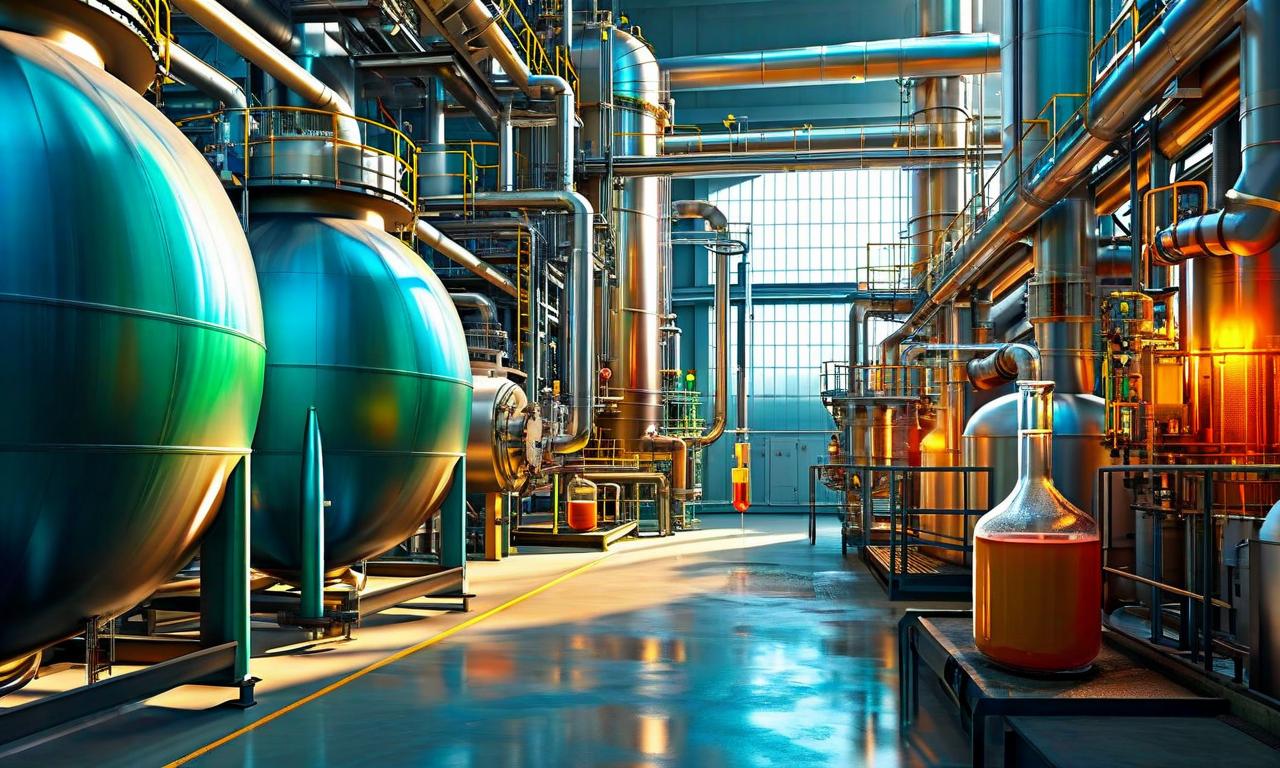

*this image is generated using AI for illustrative purposes only.
The European Union has announced a significant trade policy decision to remove tariffs on almost all chemical products imported from India. This development marks an important milestone in trade relations between the EU and India, particularly impacting the chemical manufacturing and export sector.
Trade Policy Impact
The tariff removal covers nearly the entire spectrum of chemical products exported from India to European markets. This policy change is expected to enhance the competitiveness of Indian chemical manufacturers in the European Union, providing them with improved market access and potentially reducing costs for European importers.
Sector Implications
The decision affects India's chemical industry, which has been a significant contributor to the country's export portfolio. Indian chemical manufacturers will now benefit from reduced trade barriers when accessing EU markets, potentially leading to increased export volumes and improved profit margins.
Market Access Enhancement
The elimination of tariffs represents a substantial improvement in market access conditions for Indian chemical exporters. This policy change removes a key trade barrier that previously affected the pricing competitiveness of Indian chemical products in European markets.
The announcement reflects the evolving trade relationship between the European Union and India, with both regions seeking to strengthen commercial ties and reduce trade barriers across various sectors.
 17
17


 Access Market Heat-map & Insights
  Create, Save & Share your Screener
  Use 200+ Screening Filters





