

EU Tightens Grip: New Export Restrictions on Aluminium Scrap Announced


The EU Trade Chief has announced new restrictions on aluminium scrap exports from EU member states. This move is expected to impact global aluminium trade flows and may require adjustments in the international aluminium recycling industry. While specific details are pending, the restrictions could affect supply chains, prices, and trade patterns in the global aluminium market.

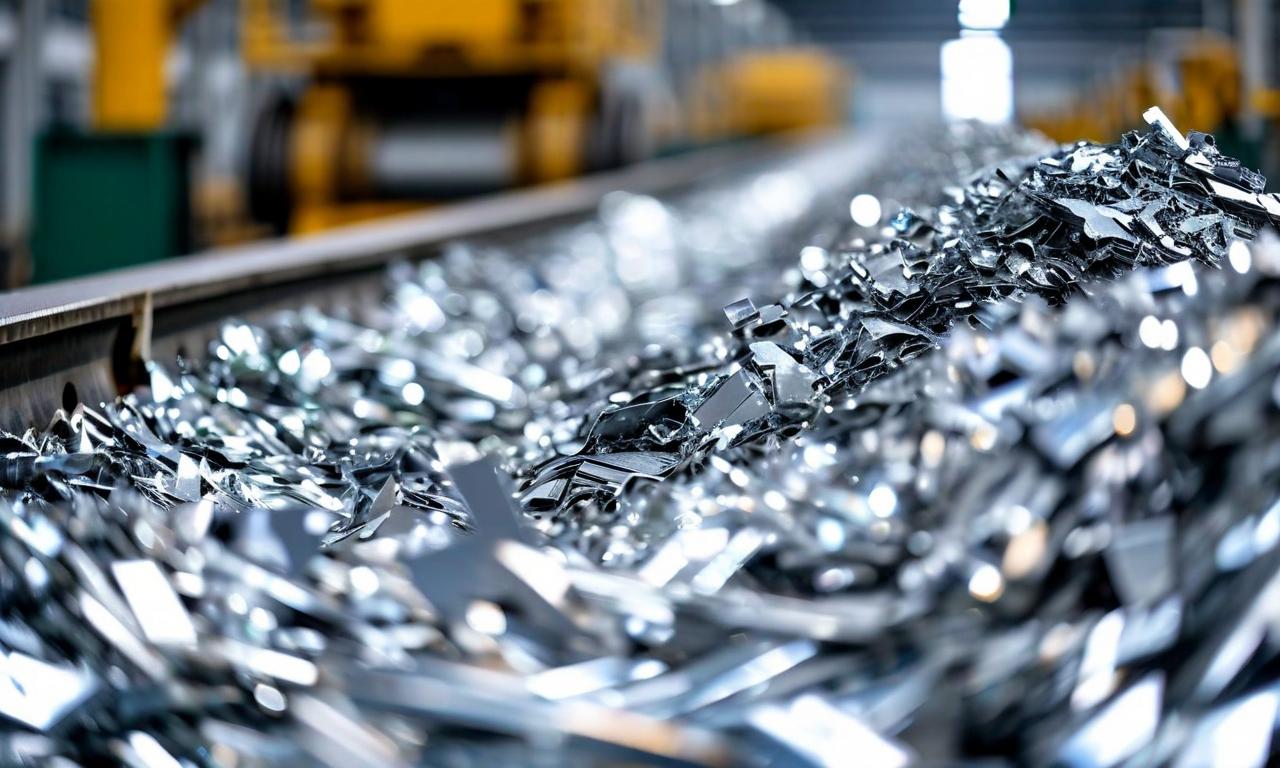

*this image is generated using AI for illustrative purposes only.
The European Union has taken a significant step in regulating its metal trade, as announced by the EU Trade Chief. New restrictions have been placed on the export of aluminium scrap from EU member states, a move that may reshape the landscape of the global aluminium recycling industry.
Key Points of the New Restrictions
- Scope: The limitations specifically target aluminium scrap exports from the European Union.
- Impact: These restrictions are expected to affect aluminium trade flows.
- Affected Parties: Companies involved in scrap metal exports from EU member states may feel the direct impact of these new regulations.
Potential Implications
While the full details of the restrictions are yet to be disclosed, this development could have far-reaching consequences:
- Supply Chain Adjustments: The global aluminium recycling industry may need to adapt to changes in scrap metal sourcing from the EU.
- Price Considerations: With potential supply changes, prices for aluminium scrap both within and outside the EU could see fluctuations.
- Shift in Trade Patterns: Companies may need to explore alternative sources or markets, potentially influencing global trade routes for aluminium scrap.
- Environmental Considerations: The move might be part of broader EU efforts to promote circular economy practices within its borders.
Industry Response
The announcement has likely stirred reactions from various stakeholders in the metal industry. Recycling companies, aluminium producers, and traders operating within and with the EU may need to reassess their strategies in light of these new restrictions.
As more details emerge about the specific nature and extent of these export limitations, businesses in the aluminium sector will likely monitor the situation to understand the potential impact on their operations and the broader market dynamics.
This development underscores the EU's active role in shaping trade policies that could have global ramifications, particularly in sectors crucial to industrial and environmental policies.
 19
19







 Access 50+ Readymade Screeners
  Use 200+ Custom Filters
  Get Full Market Insights





