EU Acknowledges Limited Short-Term Influence on China's Rare Earth Policies


The European Union has recognized its limited short-term capacity to influence China's policies on rare earth elements. China's dominance in the global rare earths market poses challenges for the EU's supply chain security and industrial competitiveness. This acknowledgment highlights the EU's vulnerability and the need for long-term strategies to diversify supply chains, invest in alternative sources, and develop recycling technologies. The situation underscores broader global dependencies on China's rare earth supplies and the importance of international cooperation in ensuring stable access to these critical resources.
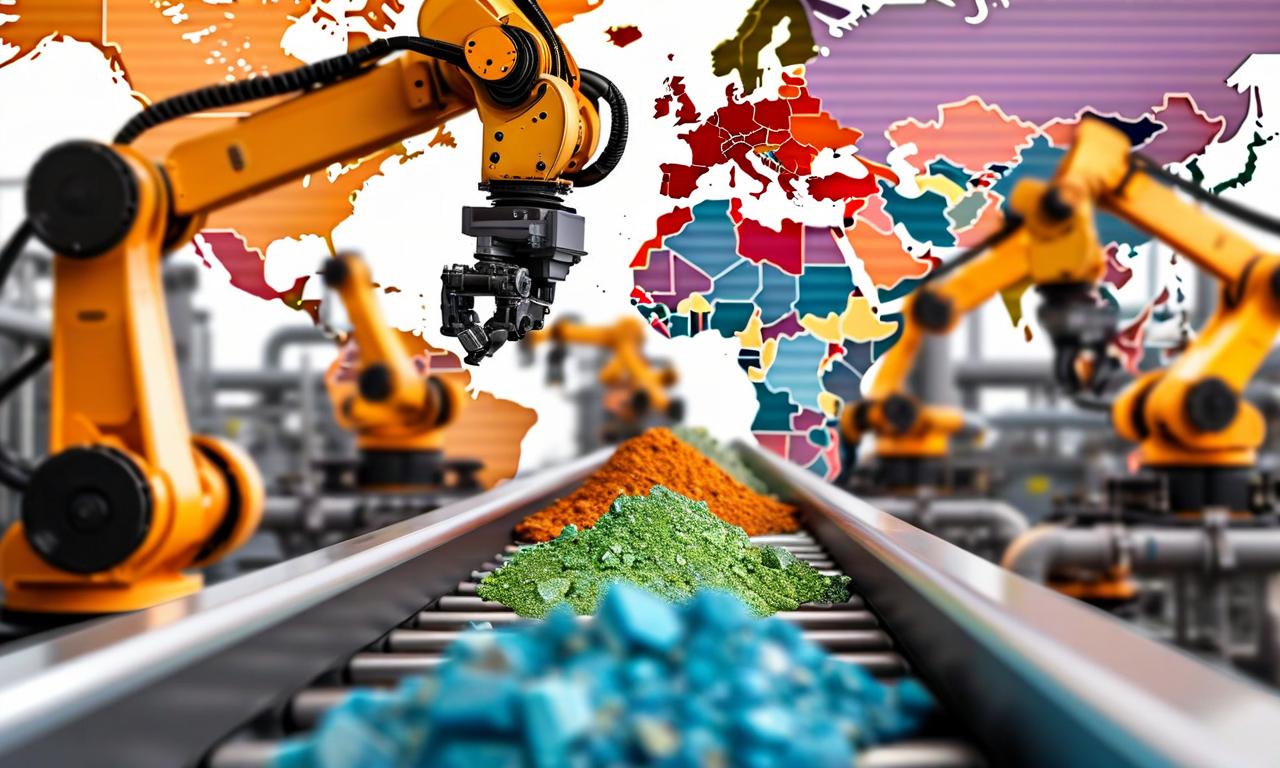
*this image is generated using AI for illustrative purposes only.
The European Union has recently recognized its limited capacity to influence China's policies regarding rare earth elements in the near term, highlighting the complex geopolitical dynamics surrounding these critical resources.
Understanding the Situation
The EU's acknowledgment underscores a significant challenge in the global supply chain of rare earth elements, which are crucial components in various high-tech and green technologies. These elements are essential for manufacturing products ranging from smartphones and electric vehicles to wind turbines and military equipment.
China's Dominance in Rare Earths
China currently holds a dominant position in the global rare earths market, controlling a substantial portion of both production and processing. This dominance gives China significant leverage in the global supply chain, potentially impacting industries worldwide.
EU's Limited Influence
The EU's admission of limited short-term influence suggests several key points:
Supply Chain Vulnerability: The EU recognizes its dependence on China for these critical materials, highlighting potential vulnerabilities in its industrial and technological sectors.
Strategic Implications: This situation may have far-reaching consequences for the EU's technological advancement and economic competitiveness.
Policy Challenges: The EU faces difficulties in rapidly developing alternative sources or negotiating more favorable terms with China in the immediate future.
Long-term Strategies
While the EU acknowledges its current limitations, this recognition could potentially drive the development of long-term strategies aimed at:
- Diversifying supply chains
- Investing in rare earth mining and processing within the EU or in partner countries
- Developing technologies for recycling and substituting rare earth elements
Global Implications
This situation not only affects the EU but also highlights the broader global dependence on China's rare earth supplies. It underscores the need for international cooperation and strategic planning to ensure a stable and diversified supply of these critical resources.
As the geopolitical landscape continues to evolve, the EU's approach to addressing this challenge will be crucial in shaping its future technological and economic position on the global stage.
 16
16