

Elon Musk regains trillionaire status as SpaceX stock jumps 7.6%


- Elon Musk's net worth reached $1.04 trillion on Monday, surpassing the trillion-dollar mark again
- SpaceX stock rose 7.6%, contributing to a $58.7 billion single-day gain in Musk's wealth
- Musk owns approximately 38% of SpaceX and 11% of Tesla, driving his fortune fluctuations
- Tesla shares remain down 13.6% year-to-date despite a recent 5.7% five-day rally

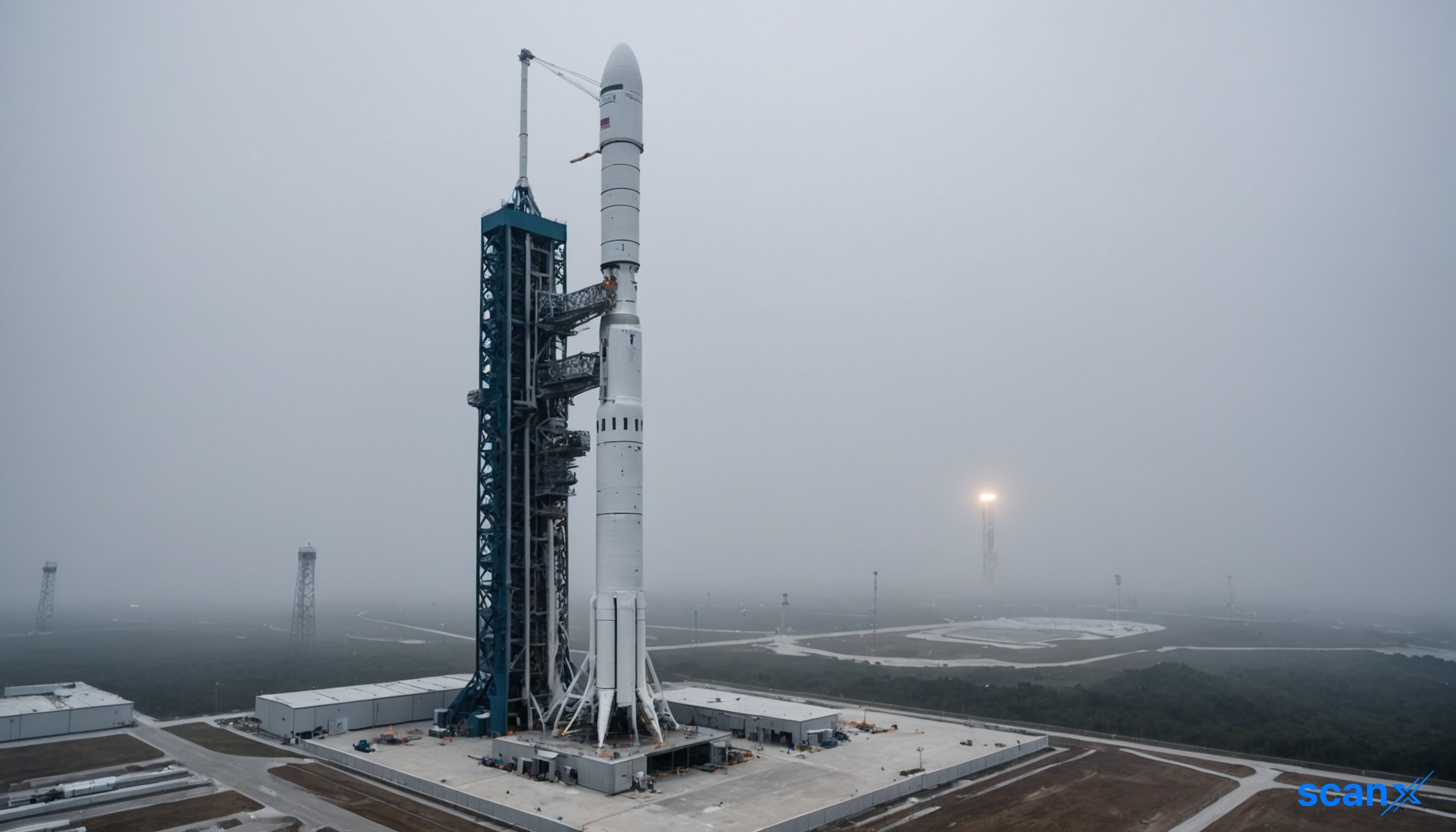

*this image is generated using AI for illustrative purposes only.
Elon Musk reclaimed the title of the world's first trillionaire on Monday, with his net worth reaching $1.04 trillion according to Forbes. This milestone was driven by a sharp rally in Space Exploration Technologies Corp (NASDAQ: SPCX) shares, which climbed 7.6%.
Musk added $58.7 billion to his fortune in a single trading session, a gain significantly larger than any other billionaire. The surge was supported by both SpaceX and Tesla Inc (NASDAQ: TSLA), with Tesla shares rising 2.2% over the same period. Musk holds approximately 38% of SpaceX and 11% of Tesla.
Market Performance and Wealth Dynamics
The recent uptick marks a recovery for Musk’s wealth, which had dipped into the hundreds of billions following the initial post-IPO decline of SpaceX stock. After peaking at $1.45 trillion earlier this year, his net worth fluctuated before stabilizing above the trillion-dollar threshold again.
| Metric | Value | Context |
|---|---|---|
| Net Worth | $1.04 trillion | As of Monday |
| Daily Gain | $58.7 billion | Largest single-day jump |
| SpaceX Stock Change | +7.6% | Monday performance |
| Tesla Stock Change | +2.2% | Monday performance |
Musk’s daily gain dwarfed that of Mark Zuckerberg, CEO of Meta Platforms, who added $4.9 billion to his net worth. Musk also remains far ahead of Jeff Bezos, the second-richest person globally, whose net worth stands at $372.7 billion.
What the Numbers Show
A divergence exists between short-term momentum and year-to-date performance. While SpaceX stock is up over 16% in the last five trading days and trading at its highest levels since June 2026, Tesla shares remain down 13.6% year-to-date despite a 5.7% rise over the last five days. This suggests that while the broader market sentiment has improved recently, Tesla’s annual trajectory remains negative, highlighting SpaceX as the primary driver of Musk’s current wealth recovery.
Historical Volatility and Future Upside
Musk’s path to this milestone has been marked by extreme volatility. In 2021, his wealth was sufficient to theoretically purchase every MLB, NBA, NFL, and NHL team. Conversely, a significant drop in Tesla’s share price in 2022 resulted in a Guinness World Record for the largest one-year decline in net worth. He regained the top spot in 2023 after a $92 billion increase in wealth, ending that year at $229 billion.
Looking ahead, potential compensation packages could further elevate his net worth. A Tesla pay package could yield around $1 trillion if all milestones are met, while a separate SpaceX agreement offers an additional billion shares contingent on performance targets.

How might the divergence between SpaceX's rising valuation and Tesla's negative year-to-date performance influence investor sentiment toward Tesla's long-term growth strategy?
What specific operational milestones must SpaceX achieve to justify its recent 16% five-day rally and sustain its current market capitalization?
Could the potential $1 trillion Tesla compensation package trigger regulatory scrutiny or shareholder pushback regarding executive pay governance?
 15
15






 Access 50+ Readymade Screeners
  Use 200+ Custom Filters
  Get Full Market Insights





