EIA Forecasts Peak U.S. Oil Production in November, Slight Decline Through January

1 min read     Updated on 09 Dec 2025, 11:07 PM
scanx
Reviewed by
Shraddha JScanX News Team
Overview

The U.S. Energy Information Administration (EIA) projects domestic oil production to peak at 13.86 million barrels per day in November, followed by a marginal decline over the next two months. December production is expected to be 13.85 million barrels per day, dropping to 13.71 million barrels per day in January. This slight downward trend of approximately 0.15 million barrels per day over the three-month period could have implications for global oil markets, given the United States' significant role as a major oil producer.

26847479

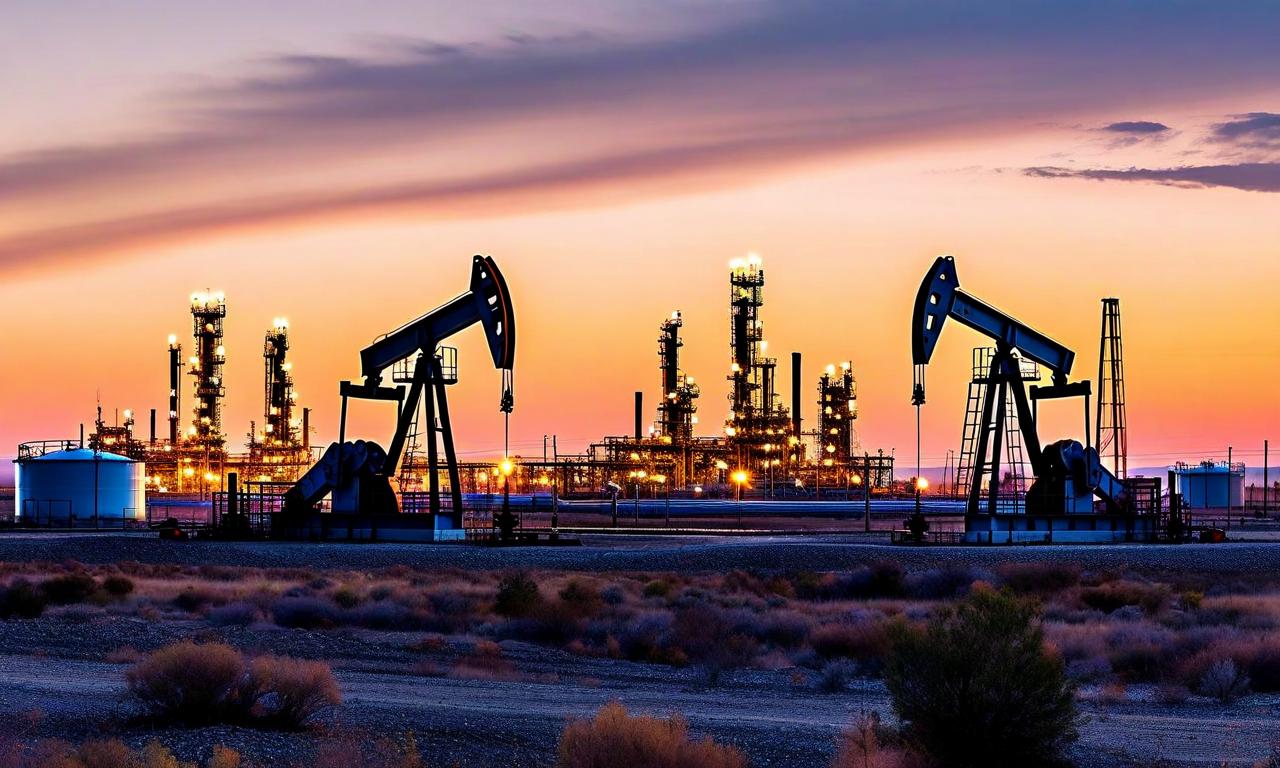
*this image is generated using AI for illustrative purposes only.

The U.S. Energy Information Administration (EIA) has released its latest projections for domestic oil production, indicating a peak in November followed by a marginal decline over the subsequent two months.

Production Forecast

The EIA's projections for U.S. oil output are as follows:

Month Production (Million Barrels per Day)
November 13.86
December 13.85
January 13.71

Analysis

The forecast suggests a slight downward trend in U.S. oil production from November to January. This minor decline of approximately 0.15 million barrels per day over the three-month period may indicate potential seasonal adjustments in the U.S. oil sector.

Implications

While the changes in production levels are relatively small, they could have implications for global oil markets, considering the United States' significant role as a major oil producer. The projected peak in November and subsequent decline might influence oil prices and impact energy-related economic decisions both domestically and internationally.

Conclusion

As the energy landscape continues to evolve, these EIA projections provide insights into short-term trends in U.S. oil production. Market participants and policymakers may monitor these figures closely, as they could affect supply-demand dynamics in the global oil market.

It's important to note that these are forecasts and actual production levels may vary based on various factors, including geopolitical events, weather conditions, and changes in market demand.

like18
dislike

US Oil Production Likely to Remain Stable, Energy Secretary Suggests

1 min read     Updated on 11 Sept 2025, 12:20 AM
scanx
Reviewed by
Shraddha JScanX News Team
Overview

US Energy Secretary Chris Wright has indicated that American oil output may remain stable in the near future. This assessment suggests a period of consistency in US oil production, which could impact global energy markets. The stable output might influence global supply balance, contribute to price stability, and affect investment decisions in the energy sector. Factors potentially influencing this outlook include market demand, infrastructure constraints, and environmental considerations.

19075866

*this image is generated using AI for illustrative purposes only.

In a recent statement that has caught the attention of energy market observers, US Energy Secretary Chris Wright has indicated that American oil output may remain flat in the near term. This assessment from a top energy official provides insights into the potential trajectory of domestic oil production in the United States.

Stability in US Oil Production

Secretary Wright's comments suggest a period of stability for US oil production, rather than significant growth or decline. This outlook could have important implications for global energy markets, given the United States' position as one of the world's largest oil producers.

Implications for Energy Markets

The prospect of stable US oil output could influence various aspects of the energy sector:

  • Global Supply Balance: A steady production level from the US might help maintain the current balance in global oil supply.
  • Price Stability: With no major changes in US output expected, this could potentially contribute to more predictable oil prices, barring other market disruptions.
  • Investment Decisions: Energy companies and investors may need to adjust their strategies if they were anticipating significant changes in US production levels.

Factors Influencing Production Levels

While Secretary Wright did not elaborate on the specific reasons for the expected flat output, several factors could be at play:

  • Market Demand: Current global demand for oil may not be incentivizing production increases.
  • Infrastructure Constraints: Limitations in pipeline capacity or other infrastructure could be influencing production decisions.
  • Environmental Considerations: Increasing focus on climate change and environmental regulations might be impacting production plans.

Looking Ahead

As the energy landscape continues to evolve, market participants will likely keep a close eye on US production trends. The stability suggested by Secretary Wright's statement could provide a foundation for planning and decision-making in the oil and gas sector, at least for the near term.

It's important to note that while this outlook provides valuable insight, energy markets remain subject to various global factors and can change rapidly in response to geopolitical events, technological advancements, or shifts in energy policies.

like16
dislike
Explore Other Articles
Power Mech Projects Subsidiary Secures ₹1,563 Crore BESS Contract from WBSEDCL 4 hours ago
Elpro International Acquires Additional Stake in Sundrop Brands for ₹39.18 Crores 5 hours ago

Transformers & Rectifiers Targets ₹8000 Crore Order Book by FY26 End 6 hours ago
Reliance Industries Schedules Board Meeting for January 16, 2026 to Approve Q3FY26 Financial Results 7 hours ago
Krishival Foods Limited Completes Rights Issue Allotment of 3.33 Lakh Partly Paid-Up Equity Shares 6 hours ago
Raymond Realty Board Approves Employee Stock Option Plan 2025 Following Demerger 6 hours ago