Czech Republic Embarks on $19 Billion Nuclear Expansion to Phase Out Coal


The Czech Republic has initiated a $19 billion nuclear project in partnership with South Korea's Korea Hydro & Nuclear Power (KHNP). The plan involves constructing two new reactors at the Dukovany power plant, aiming to increase nuclear power generation to 50-60% of the country's total energy mix by 2050. This expansion is designed to replace coal-fired power plants and double the Czech Republic's nuclear power output, positioning it as one of Europe's most nuclear-dependent nations.
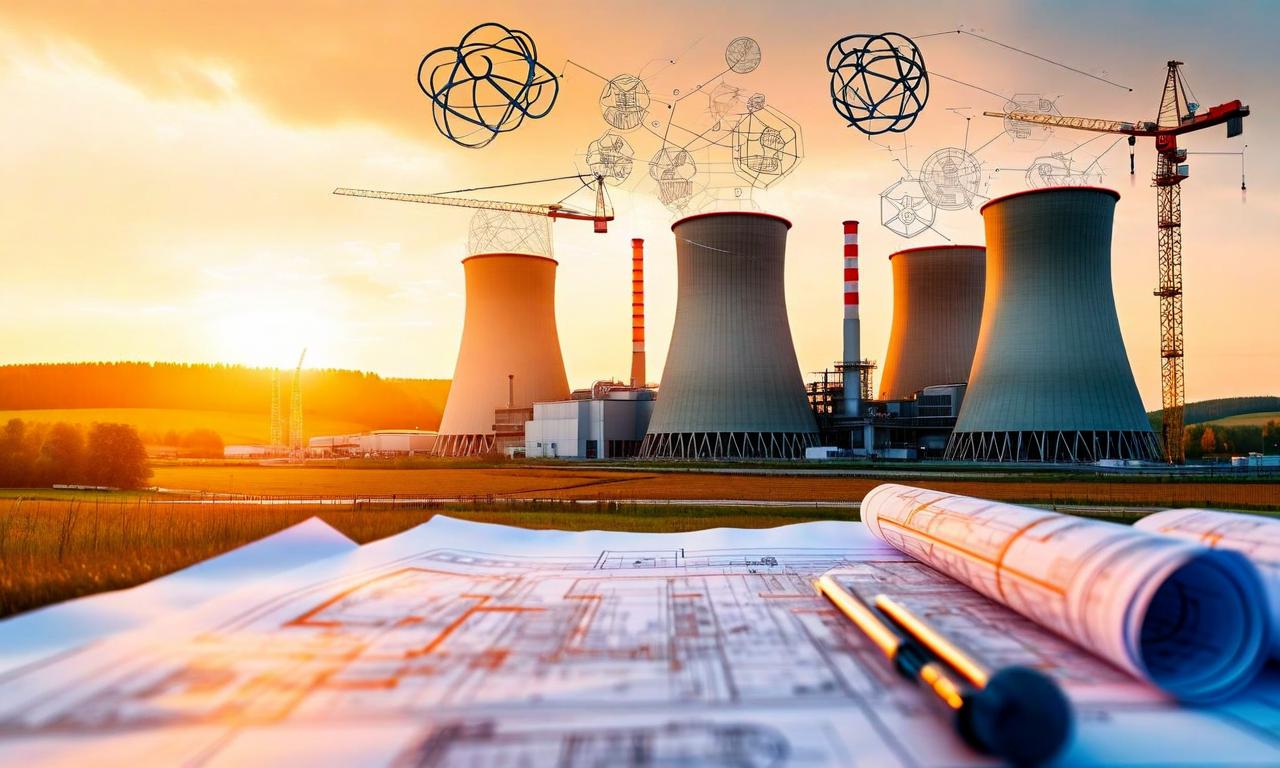
*this image is generated using AI for illustrative purposes only.
The Czech Republic has initiated a significant shift in its energy landscape, launching a $19 billion nuclear project in collaboration with South Korea's Korea Hydro & Nuclear Power (KHNP). This ambitious venture aims to construct two new reactors at the Dukovany power plant, marking a pivotal move in the country's energy transition strategy.
Key Objectives of the Nuclear Expansion
- Increased Nuclear Capacity: The project targets boosting nuclear power generation to 50-60% of the country's total energy mix by 2050.
- Coal Phase-Out: The expansion is designed to facilitate the replacement of coal-fired power plants, aligning with global efforts to reduce carbon emissions.
- Energy Output: The new reactors are expected to double the Czech Republic's nuclear power output.
Project Details
| Aspect | Details |
|---|---|
| Project Cost | $19.00 billion |
| Partner | South Korea's KHNP |
| Location | Dukovany power plant |
| Number of New Reactors | 2 |
| Target Nuclear Power Share | 50-60% by 2050 |
Implications for Czech Energy Sector
This nuclear expansion represents a significant step in the Czech Republic's energy transition plan. By increasing its reliance on nuclear power, the country is positioning itself to become one of Europe's most nuclear-dependent nations. This move reflects a strategic approach to energy security and sustainability, balancing the need for reliable power generation with environmental considerations.
Regional Context
The Czech Republic's decision to expand its nuclear capacity comes at a time when many European countries are reassessing their energy strategies. This project could potentially influence energy policies across the region, as nations seek to balance energy security, economic considerations, and climate commitments.
Conclusion
The Czech Republic's substantial nuclear expansion sets a precedent for large-scale energy transition projects in Central Europe. The success of this initiative may have significant implications for the country's economic and environmental future, as well as for regional energy dynamics in the coming years.
 17
17