
 NewsChina Requests WTO Panel Against India's Auto and EV Incentive Schemes After Failed Consultations
China Requests WTO Panel Against India's Auto and EV Incentive Schemes After Failed Consultations


China has requested the WTO to establish a dispute panel against India's PLI schemes for auto, battery, and EV sectors after failed bilateral consultations in November 2025 and January 2026. The dispute involves India's ₹18,100.00 crore ACC battery scheme and ₹25,938.00 crore auto PLI programme, with China alleging discrimination against Chinese goods. The request comes as Chinese EV manufacturers seek overseas expansion amid domestic overcapacity, while India's trade deficit with China widened to USD 99.20 billion in 2024-25.

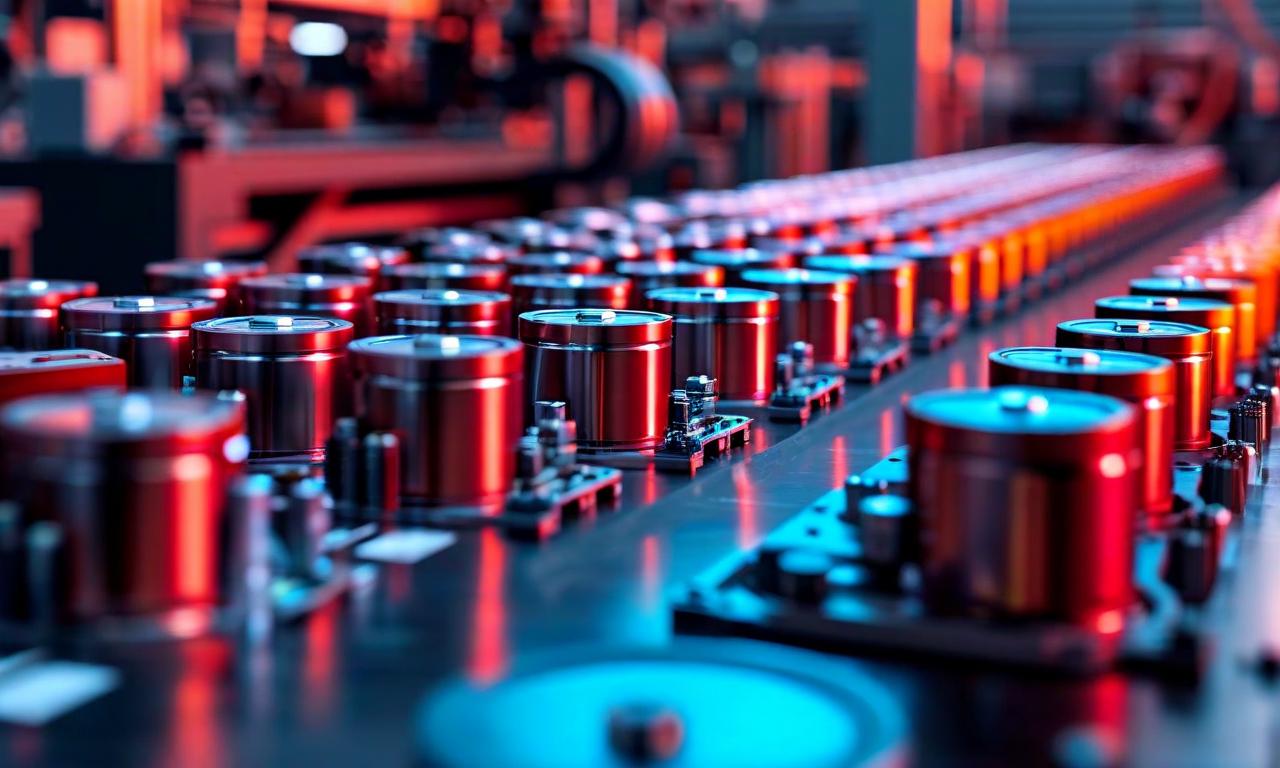

*this image is generated using AI for illustrative purposes only.
China has formally requested the World Trade Organisation's dispute settlement body to establish a panel to examine India's incentive schemes for automobiles, batteries, and electric vehicles, marking an escalation in the trade dispute between the two Asian economies.
Dispute Escalation Following Failed Consultations
The request comes after bilateral consultations held on November 25, 2025, and January 6, 2026, failed to reach a mutually agreed solution. In a communication dated January 16, China stated that "consultations failed to resolve the dispute" and formally requested the Dispute Settlement Body to establish a panel to examine the matter. The request has been placed on the agenda for the next Dispute Settlement Body meeting scheduled for January 27 in Geneva.
China initially filed the complaint in October, alleging that certain conditions in India's Production Linked Incentive schemes violate global trade rules by discriminating against Chinese goods. Beijing argues that India's measures are contingent upon the use of domestic over imported goods and appear inconsistent with obligations under the SCM Agreement, GATT 1994, and the TRIMs Agreement.
India's Incentive Schemes Under Scrutiny
The dispute centers on three key Indian programmes designed to boost domestic manufacturing:
| Programme | Details |
|---|---|
| PLI ACC Battery Scheme | ₹18,100.00 crore outlay for 50 GWh capacity over five years |
| PLI Auto Scheme | ₹25,938.00 crore budgetary allocation approved September 2021 |
| EV Manufacturing Policy | Approved March 2024 to attract global EV manufacturers |
The PLI ACC scheme, approved in May 2021, aims to enhance domestic cell production and reduce reliance on imports while lowering manufacturing costs. The automobile PLI scheme focuses on overcoming cost disabilities and boosting domestic manufacturing of Advanced Automotive Technology products, encouraging fresh investments and job creation.
Trade Dynamics and Market Context
The dispute unfolds against the backdrop of significant trade imbalances between the two countries. China serves as India's second-largest trading partner, with notable trade flow changes in the recent fiscal year:
| Trade Parameter | 2024-25 | 2023-24 | Change |
|---|---|---|---|
| India's Exports to China | USD 14.25 billion | USD 16.66 billion | -14.50% |
| India's Imports from China | USD 113.45 billion | USD 101.73 billion | +11.52% |
| Trade Deficit | USD 99.20 billion | - | Widened |
Chinese EV Industry's Global Expansion Challenges
China's complaint coincides with its EV manufacturers' efforts to expand overseas amid domestic market challenges. Chinese EV builders exported 2.01 million pure electric and plug-in hybrid vehicles in the first eight months of the year, representing a 51.00% increase from the same period previously. However, Chinese manufacturers face international resistance, with the EU imposing a 27.00% tariff on Chinese EVs to limit sales in the bloc.
Facing overcapacity, declining domestic sales, and price wars, Chinese hybrid car makers like BYD are actively seeking overseas markets, particularly in the EU and Asia. India's large automotive market represents a significant expansion opportunity for these manufacturers.
WTO Dispute Process and Implications
Under WTO rules, seeking consultation represents the first step in the dispute settlement process. When consultations fail to produce a satisfactory solution, the complainant can request panel establishment to rule on the raised issues. The upcoming January 27 meeting will determine whether the WTO proceeds with panel formation to examine China's allegations against India's incentive schemes.
 20
20






 Create Custom Screeners
  Access 200+ Pre-built Filters
  Use 50+ Readymade Screener





