China Implements Export Licensing Requirements for Select Steel Products

0 min read     Updated on 12 Dec 2025, 02:43 PM
scanx
Reviewed by
Shriram SScanX News Team
Overview

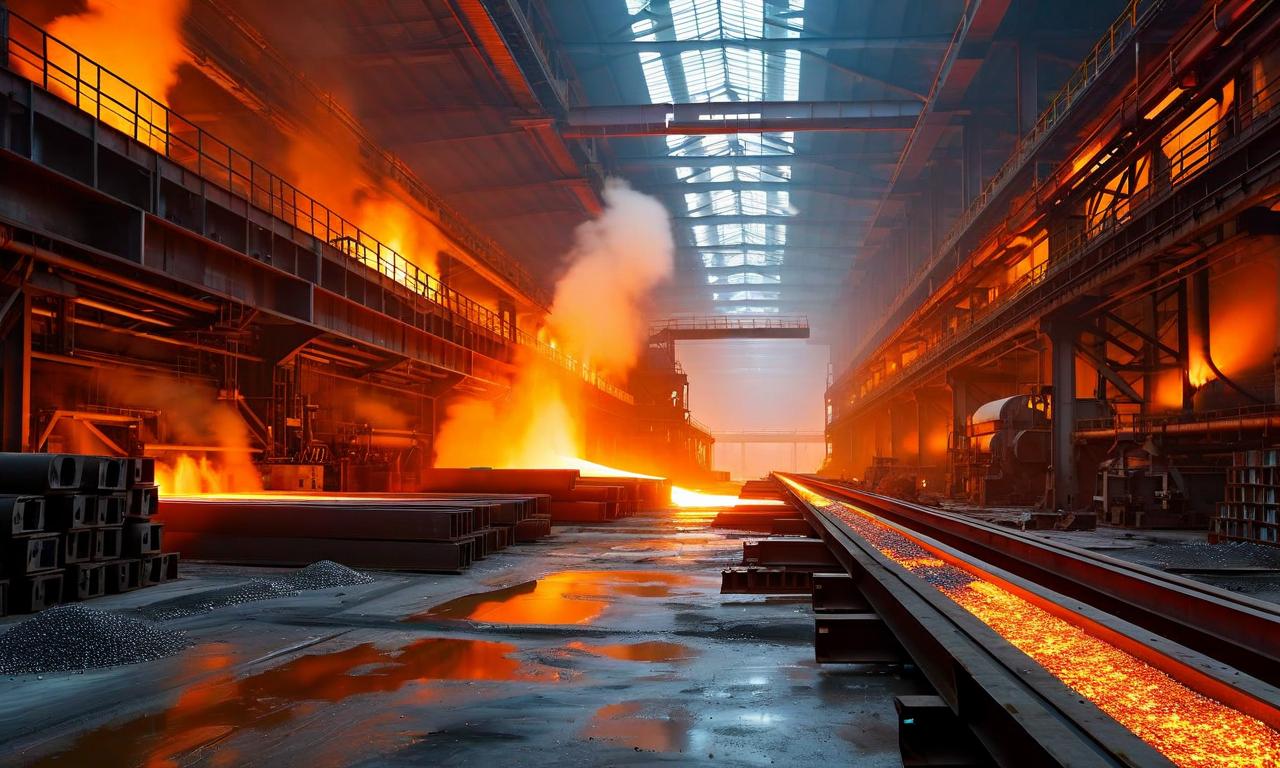
China has announced new export licensing requirements for certain steel products, effective January 1. This regulatory measure introduces administrative controls over steel exports, marking a significant shift in China's steel industry trade policy. The new system requires exporters to obtain authorization before shipping affected steel categories internationally. This change may impact global steel markets and supply chains, with potential implications for countries relying on Chinese steel imports.

27076380

*this image is generated using AI for illustrative purposes only.

China has announced the implementation of export licensing requirements for certain steel products, effective from January 1. This regulatory measure introduces new administrative controls over the country's steel exports, marking a significant policy shift in China's approach to managing its steel industry's international trade.

Policy Implementation Details

The new export licensing system will apply to select steel products, requiring exporters to obtain proper authorization before shipping these materials internationally. This regulatory framework represents a departure from previous export practices and introduces additional administrative oversight for affected steel categories.

Trade Regulation Impact

The implementation of export licensing requirements demonstrates China's strategic approach to managing its steel sector's global market participation. The January 1 effective date provides a timeline for industry participants to adapt to the new regulatory environment. This policy change may influence international steel trade dynamics, particularly for countries that rely on Chinese steel imports.

Industry Implications

Steel exporters operating in China will need to navigate the new licensing requirements as part of their export procedures. The regulatory change affects specific steel product categories, though the exact scope of coverage is not specified in the available information.

Conclusion

This new policy marks a change in China's steel trade regulations, potentially affecting global steel markets and supply chains. As the industry adapts to these new requirements, the impact on international steel trade and pricing dynamics remains to be seen.

like17
dislike

China Announces Removal of Trade Restrictions on Certain Battery Types

1 min read     Updated on 12 Dec 2025, 01:45 PM
scanx
Reviewed by
Shriram SScanX News Team
Overview

China has announced the removal of trade restrictions on specific types of batteries, signaling a shift in its trade policy for the battery sector. This decision could impact global battery supply chains and trade dynamics in the energy storage industry. The exact scope and implementation timeline of this policy change are yet to be clarified by Chinese authorities. The move comes at a time when battery technology and manufacturing capacity have gained significant importance in global trade discussions, with China being a major player in battery production and supply chain management.

27072899

*this image is generated using AI for illustrative purposes only.

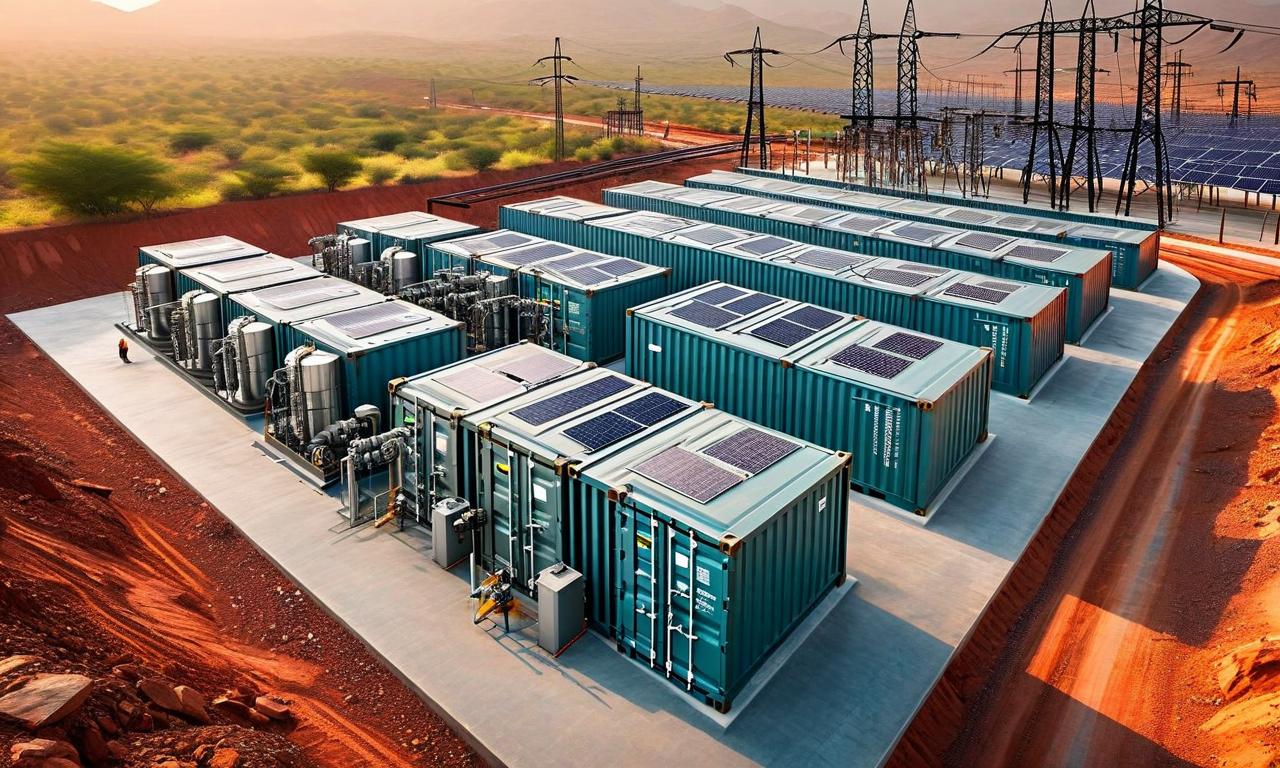
China has announced its decision to remove trade restrictions on certain types of batteries, representing a notable shift in the country's trade policy approach to the battery sector. This move may impact global battery supply chains and trade dynamics in the energy storage sector.

Policy Development

The removal of these trade restrictions indicates China's evolving stance on battery trade regulation. The decision affects specific categories of batteries, though the exact scope and timeline of implementation remain to be clarified by Chinese authorities.

Market Implications

This policy change could influence global battery supply chains and international trade dynamics in the energy storage sector. The battery industry has experienced significant growth in recent years, driven by expanding electric vehicle adoption and increasing demand for renewable energy storage solutions.

Industry Context

The announcement comes at a time when battery technology and manufacturing capacity have become increasingly important in global trade discussions. China has established itself as a major player in battery production and supply chain management, making policy changes in this sector particularly significant for international markets.

The removal of trade restrictions may facilitate increased trade flows and could affect competitive dynamics in the global battery market. Market participants and industry stakeholders are likely to monitor the implementation details and assess potential impacts on their operations and supply chain strategies.

like20
dislike
Explore Other Articles