

Slotkin warns BYD's White House visit could threaten Michigan auto jobs


- Sen. Elissa Slotkin warns BYD CEO joining Xi's delegation signals potential U.S. market access
- Slotkin cites threat to 1.2 million Michigan auto jobs from subsidized Chinese automakers
- Trump open to Chinese EV makers building in U.S. but opposes imports from Mexico
- BYD faces 100% U.S. tariff and is on Pentagon's expanded '1260H list'

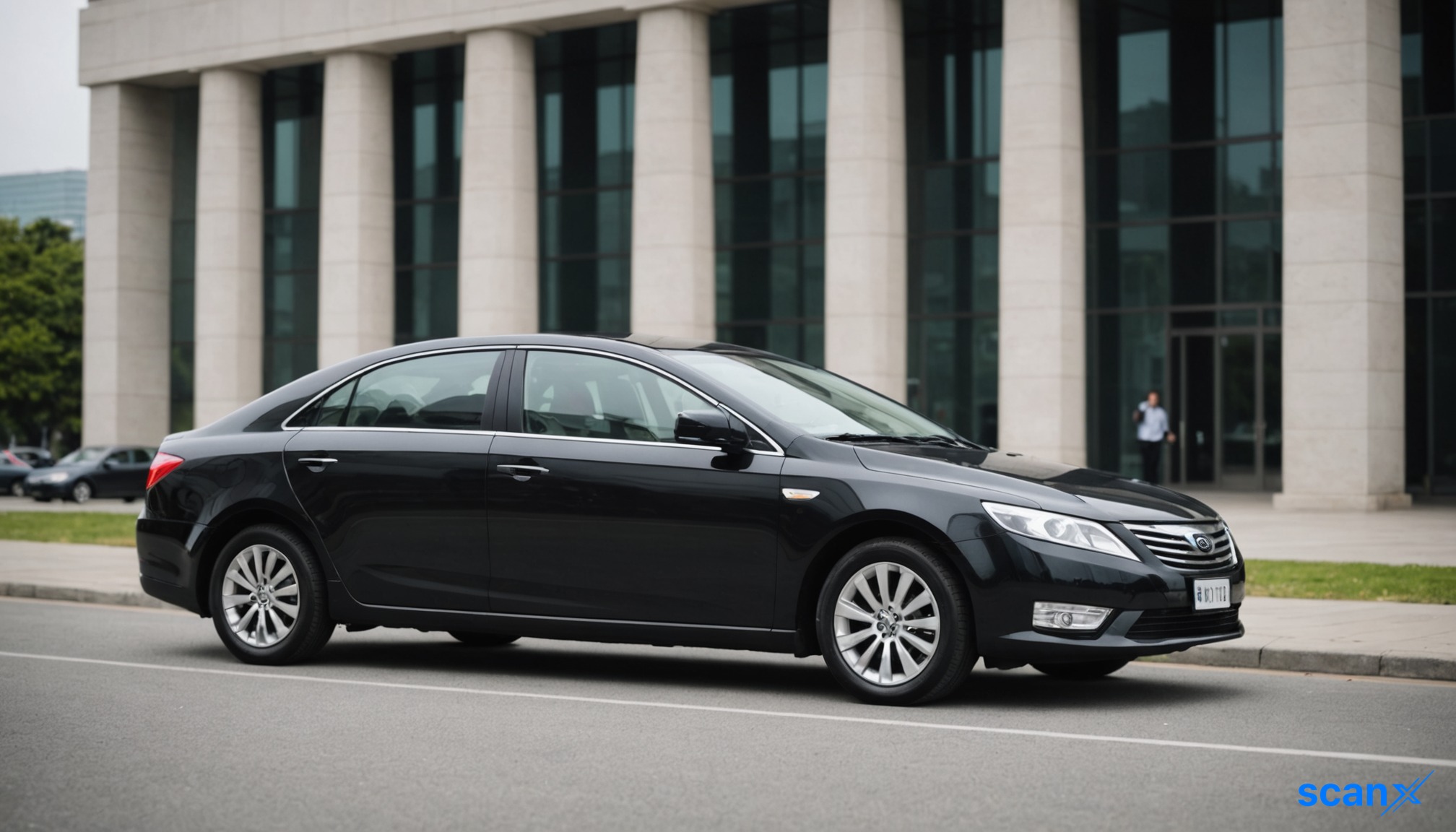

*this image is generated using AI for illustrative purposes only.
Sen. Elissa Slotkin (D-Mich.) warned that if BYD Co. Ltd. CEO Wang Chuanfu joins Chinese President Xi Jinping’s delegation to the White House next week, it could signal discussions on allowing Chinese automakers greater access to the U.S. market.
Slotkin described such an outcome as “a terrible outcome” for Michigan’s auto industry, which supports 1.2 million jobs. She cautioned that Chinese automakers, which she said are propped up by the Chinese government, would undercut U.S. manufacturers and suppliers if allowed into the country.
Political Reaction
In a post on X, Slotkin urged observers to “watch what the President does, not what he says.” She suggested that Wang’s presence in the delegation implies deals are afoot to allow Chinese cars to be imported or for Chinese companies to set up shop in the U.S.
President Donald Trump previously told Fox News he would be open to Chinese automakers building cars in the U.S. with American workers. However, he opposed Chinese-built vehicles being shipped into the U.S. from Mexico.
Delegation Details
Bloomberg reported that Chinese officials are considering BYD founder Wang Chuanfu for Xi’s business delegation ahead of the leaders’ Sept. 24 summit in Washington. The list is not final.
The Pentagon added BYD to its expanded “1260H list” in June, identifying companies it believes have ties to China’s military or defense-industrial sector. BYD has denied these allegations.
Trade Context
The U.S. has imposed a 100% tariff on Chinese electric vehicles, effectively shutting Chinese automakers out of the American market entirely.
Xi’s business delegation would mark his largest since 2015. Trump has previously brought large U.S. business delegations to China, including Nvidia Corp. CEO Jensen Huang and Tesla Inc. CEO Elon Musk.

How might the inclusion of BYD in the delegation influence the final terms of any potential trade agreement between the U.S. and China regarding electric vehicles?
What specific legislative actions could Michigan lawmakers take to protect domestic auto jobs if barriers to Chinese EV imports are lowered?
Could BYD's presence on the Pentagon's '1260H list' serve as a legal or political obstacle to its participation in the summit or future U.S. market entry?
 16
16



 Access 50+ Readymade Screeners
  Use 200+ Custom Filters
  Get Full Market Insights





