China and EU Forge Agreement on Supply Chain Stability


China and the European Union have reached an agreement to maintain supply chain stability, as announced by China's Ministry of Commerce. This coordination effort between two major economic powers aims to address potential disruptions in global supply chains, enhance economic resilience, and promote smoother trade flows. The agreement comes amid ongoing global supply chain pressures due to factors such as pandemic recovery and geopolitical tensions.

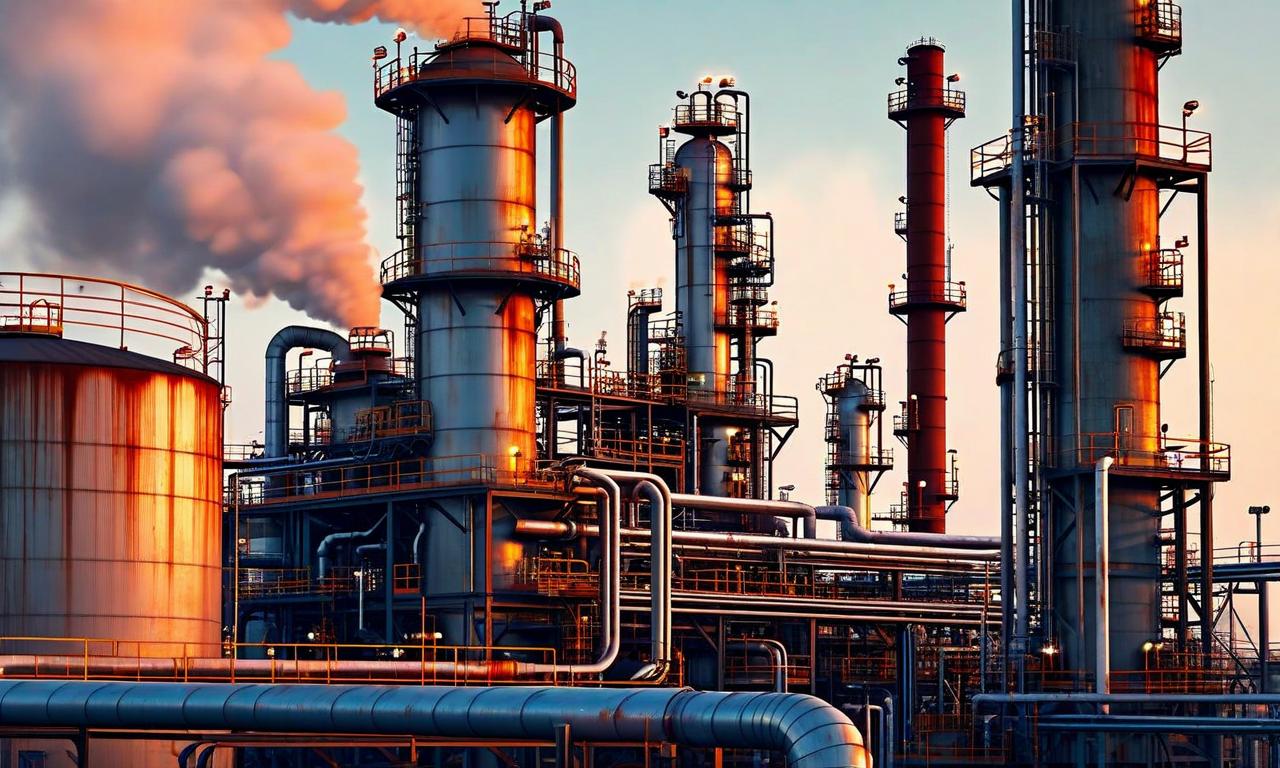
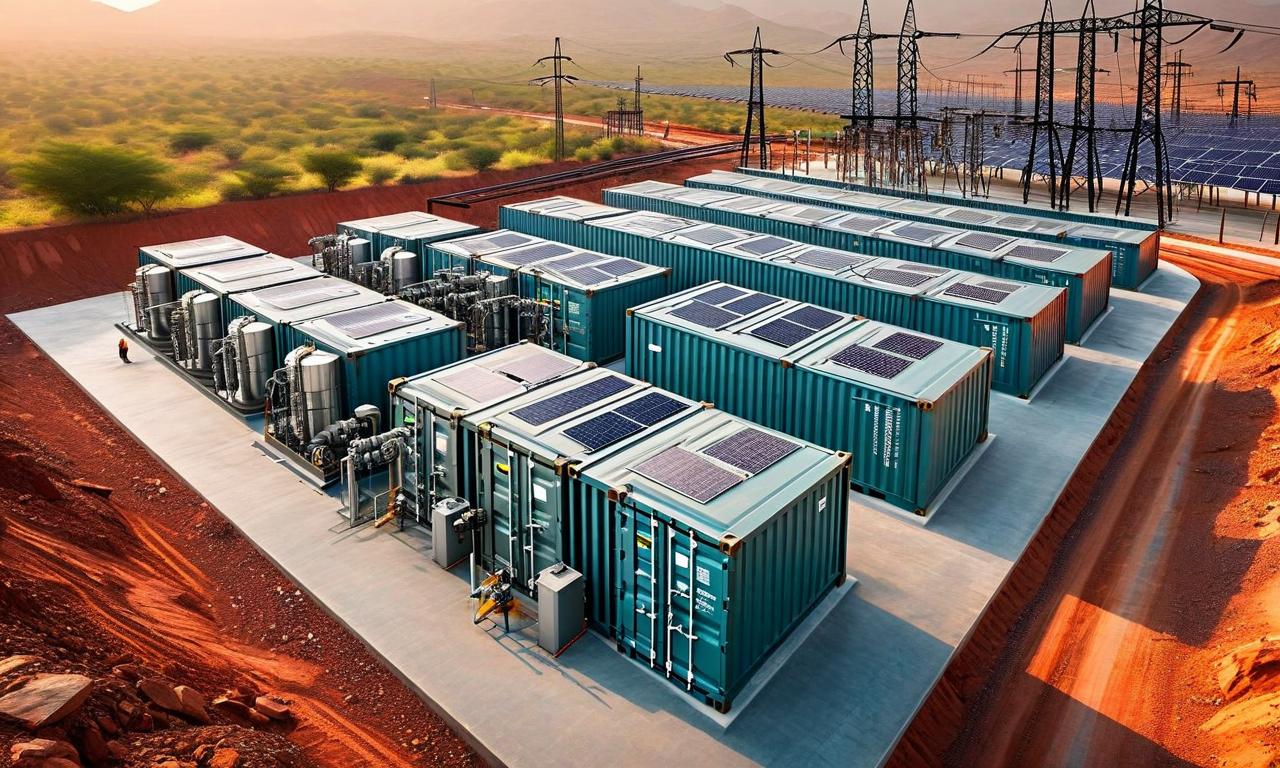
*this image is generated using AI for illustrative purposes only.
China and the European Union have taken a significant step towards enhancing economic cooperation by reaching an agreement to maintain supply chain stability, as announced by China's Ministry of Commerce. This development marks a crucial coordination effort between two of the world's major economic powerhouses.
Key Points of the Agreement
- Parties Involved: China and the European Union
- Focus Area: Supply chain stability
- Announced By: China's Ministry of Commerce
Implications of the Agreement
This agreement represents a strategic move by both China and the EU to address potential disruptions in global supply chains. By working together to maintain stability, both parties aim to:
- Mitigate risks associated with supply chain vulnerabilities
- Enhance economic resilience in the face of global challenges
- Promote smoother trade flows between the two regions
Broader Context
The China-EU agreement on supply chain stability comes at a time when global supply chains have faced significant pressures due to various factors, including:
- The ongoing recovery from the COVID-19 pandemic
- Geopolitical tensions in various parts of the world
- Increasing focus on reshoring and nearshoring strategies by many countries
Conclusion
While the specific details of the agreement have not been disclosed, this development signifies a step towards greater economic cooperation between China and the European Union. As two of the world's largest trading partners, their collaborative efforts in maintaining supply chain stability could have implications for global trade and economic stability.
Businesses and policymakers may be interested in how this agreement translates into practical measures and its potential impact on international trade dynamics.
 17
17