CENTCOM redirects 130 commercial vessels in Iran naval blockade

scanx
Reviewed by
Anirudha BScanX News Team
Key Highlights
  • U.S. Central Command reported 130 commercial vessels redirected as of October 5
  • Redirections occurred during enforcement of the ongoing U.S. naval blockade against Iran
  • CENTCOM forces are actively engaged in maritime interdiction operations
powered bylight_fuzz_icon
52783630

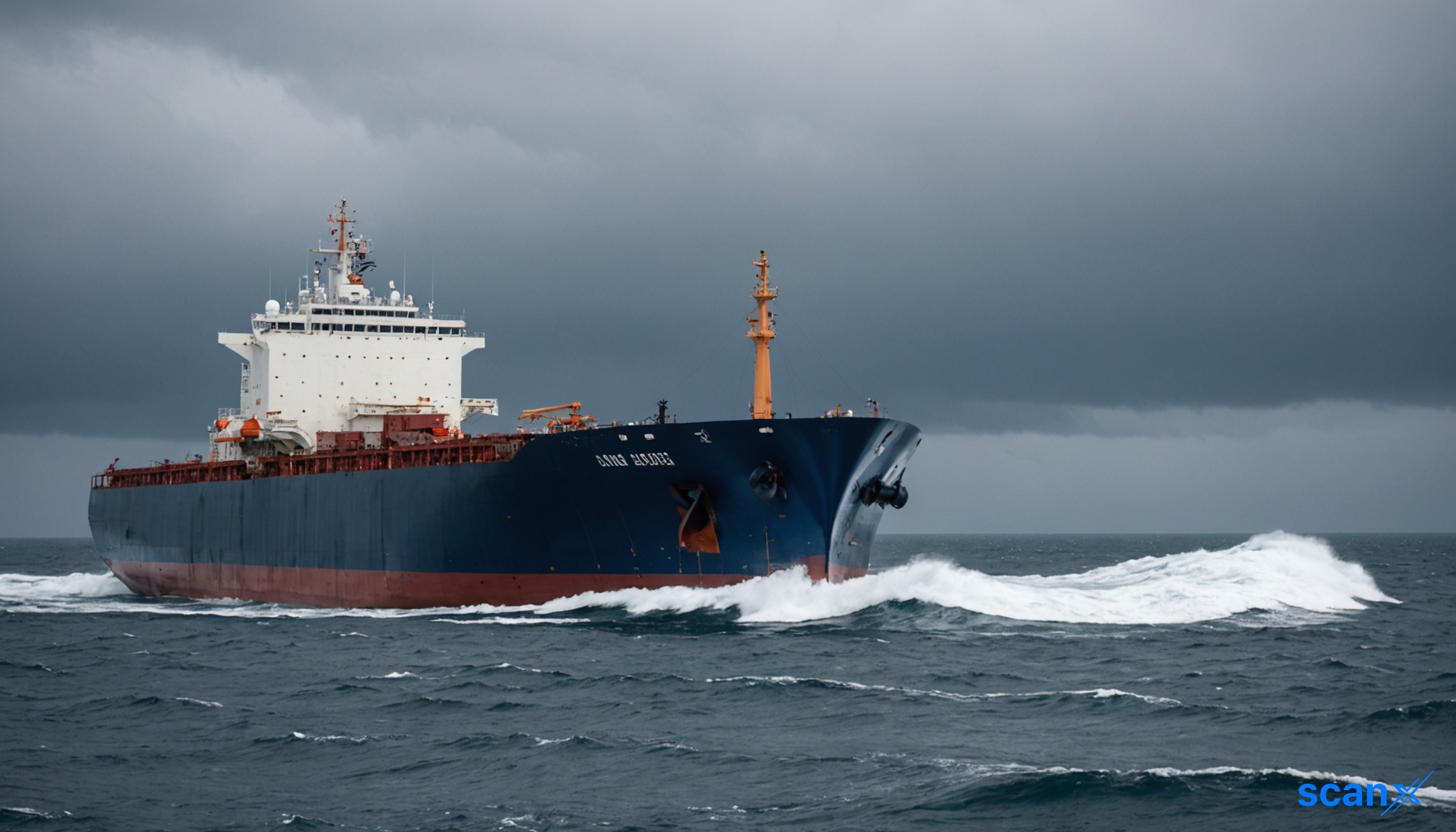
*this image is generated using AI for illustrative purposes only.

U.S. Central Command reported that as of October 5, CENTCOM forces have redirected 130 commercial vessels during enforcement of the ongoing U.S. naval blockade against Iran.

Blockade enforcement details

The redirection of commercial shipping represents a significant operational development in the enforcement of the U.S. naval blockade against Iran. CENTCOM forces have been actively intercepting and redirecting vessels as part of this ongoing maritime operation.

Parameter Details
Reporting authority U.S. Central Command (CENTCOM)
Vessels redirected 130 commercial vessels
Operation type U.S. naval blockade against Iran
Data as of October 5

The scale of redirections — 130 commercial vessels — underscores the active enforcement posture maintained by CENTCOM in the region. The blockade remains ongoing, with forces continuing to intercept commercial shipping in the designated area.

Disclaimer: This article is AI-generated using data from LiveSquawk. ScanX is not liable for any inaccuracies.

How will the sustained redirection of 130 vessels impact global freight rates and insurance premiums for shipping through the Strait of Hormuz?

What retaliatory measures or asymmetric maritime tactics might Iran deploy in response to the escalating enforcement intensity?

Are major allied navies, such as those of the UK and France, expected to expand their participation in the blockade operations to share the operational burden?

like18
dislike

Iranian President Pezeshkian says negotiations with US are meaningless

scanx
Reviewed by
Shriram SScanX News Team
Key Highlights
  • Iranian President Masoud Pezeshkian stated negotiations with the US are meaningless
  • He claimed inspectors' visits lead to facility identification and subsequent attacks
  • Pezeshkian noted the US has attacked Iran three times after talks
  • The President cited assassinations and sanctions as reasons for rejecting diplomacy
powered bylight_fuzz_icon
52773240

*this image is generated using AI for illustrative purposes only.

Iranian President Masoud Pezeshkian declared that negotiations with the United States hold no meaning, citing a pattern of aggression following diplomatic engagement. He stated that every time inspectors visit Iran, nuclear facilities and scientists are identified, leading to subsequent bombings and assassinations.

Pezeshkian highlighted a recurring cycle where talks are immediately followed by war. He noted that the United States has attacked Iran three times after negotiations. The President emphasized that engaging with an enemy that carries out assassinations, imposes sanctions, and applies pressure while repeatedly breaking agreements is futile.

Statements on Security and Diplomacy

The Iranian leadership’s stance underscores deep-seated distrust in international oversight mechanisms. Pezeshkian linked the presence of inspectors directly to security vulnerabilities, suggesting that transparency measures have been exploited for military targeting.

Key assertions made by the President include:

  • Inspectors’ visits correlate with the identification of nuclear facilities and scientists.
  • Identified targets subsequently face bombing or assassination attempts.
  • The United States has initiated attacks on three separate occasions following negotiations.
  • Current negotiation frameworks are invalid due to the enemy’s history of breaking agreements.
Disclaimer: This article is AI-generated using data from LiveSquawk. ScanX is not liable for any inaccuracies.

How might Iran's rejection of diplomatic talks influence the timeline and strategy of upcoming IAEA inspections?

What specific economic sanctions adjustments might the US implement in response to this hardened Iranian stance?

Could regional allies like China or Russia offer alternative security guarantees to offset the perceived risks of US-led negotiations?

like17
dislike