

Canada Overhauls Steel Trade Policy with New Tariffs and Import Restrictions


Canada has announced major changes to its steel trade policy. Key measures include a 25% global tariff on targeted imported steel-derivative products and reduced steel import quotas from non-FTA countries to 20% of current levels. The government plans to phase out temporary tariff remissions on steel used in manufacturing, food packaging, and agriculture by January 31, 2026. To support domestic transportation, a 50% cut in freight rates for interprovincial transport of steel and lumber will be implemented in early 2026. These changes aim to protect the domestic steel industry but may impact international trade relations and manufacturing costs.

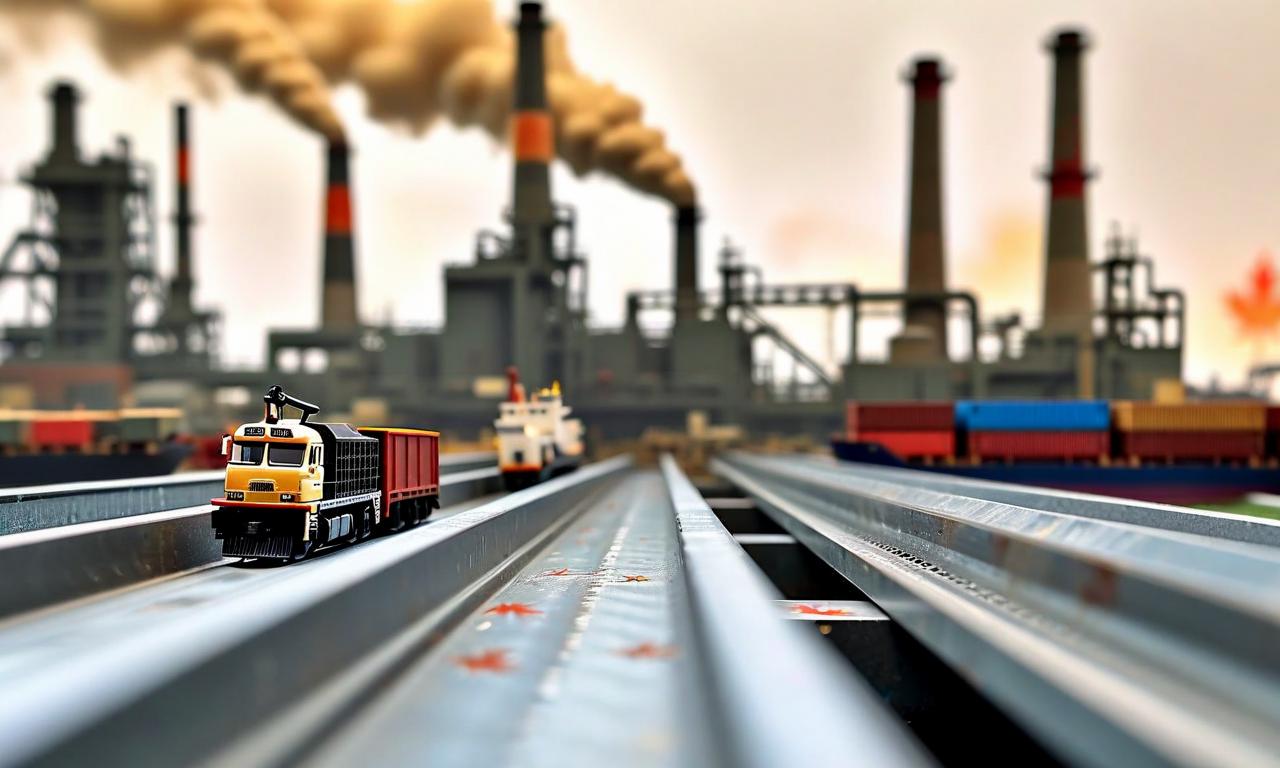

*this image is generated using AI for illustrative purposes only.
Canada has announced a significant overhaul of its steel trade policy, introducing measures that may have far-reaching implications for the domestic steel industry and international trade relations.
New Tariff and Import Quota Measures
The Canadian government has unveiled a series of measures aimed at protecting and bolstering its domestic steel industry:
- A 25% global tariff will be imposed on targeted imported steel-derivative products.
- Steel import quotas from non-FTA (Free Trade Agreement) countries will be reduced to 20% of current levels, down from 50%.
Phasing Out of Temporary Tariff Remissions
Canada plans to end temporary tariff remissions on steel used in:
- Manufacturing
- Food packaging
- Agriculture
This phase-out is scheduled to be completed by January 31, 2026, giving industries time to adapt to the new regulations.
Support for Domestic Transportation
To offset potential increased costs and support the domestic movement of goods, the government is working with railways to implement a reduction in freight rates:
- A 50% cut in freight rates for interprovincial transport of steel and lumber
- This measure is set to take effect in early 2026
Implications and Outlook
These policy changes represent a significant shift in Canada's approach to steel trade and may have several impacts:
- Domestic Steel Industry: The measures are expected to provide protection and support for Canadian steel producers.
- International Trade: The new tariffs and quotas could lead to discussions with trading partners, particularly those without free trade agreements with Canada.
- Manufacturing Costs: Industries relying on imported steel may face changes in input costs, potentially affecting their operations.
- Transportation Sector: The reduction in interprovincial freight rates could partially offset steel costs for domestic manufacturers and potentially influence internal trade.
As these policies are implemented, stakeholders across various industries will need to adapt their strategies to navigate the changing landscape of Canada's steel trade policy.
 18
18






 Create Custom Screeners
  Access 200+ Pre-built Filters
  Use 50+ Readymade Screener





