

Canada, Norway advance defence pact, Arctic cooperation


- Canada and Norway plan to advance an enhanced Defence Cooperation Agreement in the new year
- Leaders signed MOUs on Arctic science, space capabilities, and critical minerals mapping
- Business ties expanded with new deals between Kongsberg, MDA Space, and Telesat
- A Letter of Intent was signed to create a framework for procuring military assets for Ukraine


*this image is generated using AI for illustrative purposes only.
Prime Minister Mark Carney and Norwegian Prime Minister Jonas Gahr Støre announced plans to advance an enhanced Defence Cooperation Agreement in the new year. The leaders met in Ottawa on Sept. 20, 2026 to deepen bilateral ties across defence, space, and critical minerals.
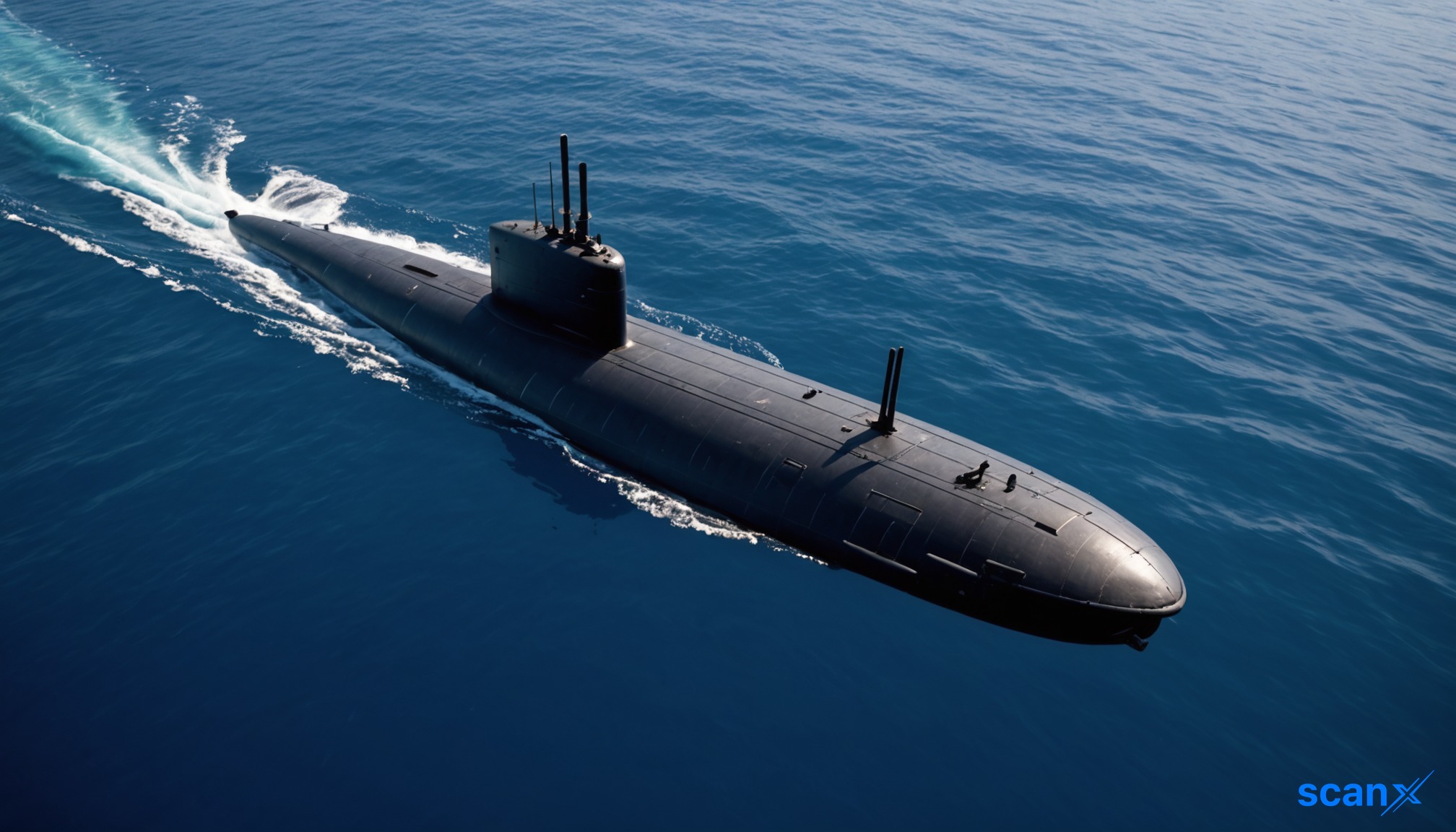
The agreement builds on Canada’s selection of the TKMS 212CD submarine, jointly developed by Norway and Germany, as the preferred supplier for its next fleet of submarines. This move signals a strategic shift towards deeper Nordic-Canadian defence integration.
Key Agreements Signed
The leaders welcomed several new memorandums of understanding (MOUs) and agreements during the visit:
- Arctic Science: Polar Knowledge Canada and the Norwegian Polar Institute signed an MOU to strengthen collaboration on Arctic and Antarctic science and research.
- Space Cooperation: The Canadian Space Agency and the Norwegian Space Agency signed an MOU to deepen cooperation on space-based and dual-use capabilities.
- Critical Minerals: The Geological Survey of Canada and the Geological Survey of Norway signed an agreement to facilitate joint critical minerals mapping and exchange geoscientific expertise.
Business and Technology Ties
Enhanced cooperation in space and defence is exemplified by growing business-to-business links. Two new agreements were signed between Norway’s Kongsberg and Canadian firms MDA Space and Telesat.
Building on the March 2026 Joint Statement on Sovereign Technology and Artificial Intelligence (AI) Cooperation, the two nations agreed to deepen cooperation on digital sovereignty and AI. This includes the responsible development and adoption of AI and its application in the public sector.
Support for Ukraine
The prime ministers reaffirmed their commitment to a just and lasting peace in Ukraine, backed by robust security guarantees. To support this effort, the Canadian Commercial Corporation and the Norwegian Defence Materiel Agency signed a Letter of Intent. This establishes a government-to-government framework for the procurement of military assets.

How will the procurement of the TKMS 212CD submarines impact Canada's domestic shipbuilding industry and supply chain dependencies?
What specific regulatory or investment frameworks might emerge from the new critical minerals mapping agreement to secure supply chains for battery technologies?
In what ways will the enhanced AI and digital sovereignty cooperation influence Canada's public sector technology procurement standards in the coming years?
 17
17






 Access Market Heat-map & Insights
  Create, Save & Share your Screener
  Use 200+ Screening Filters





