

California generates $8.4 billion in cannabis tax revenue since 2018


- California generated $8.4 billion in cannabis tax revenue since 2018
- Q2 2026 collections totaled $261.7 million in excise and sales taxes
- Authorities seized $13.3 million in illicit cannabis and tobacco products
- Critics warn proposed 5% wealth tax could drive investment out of state

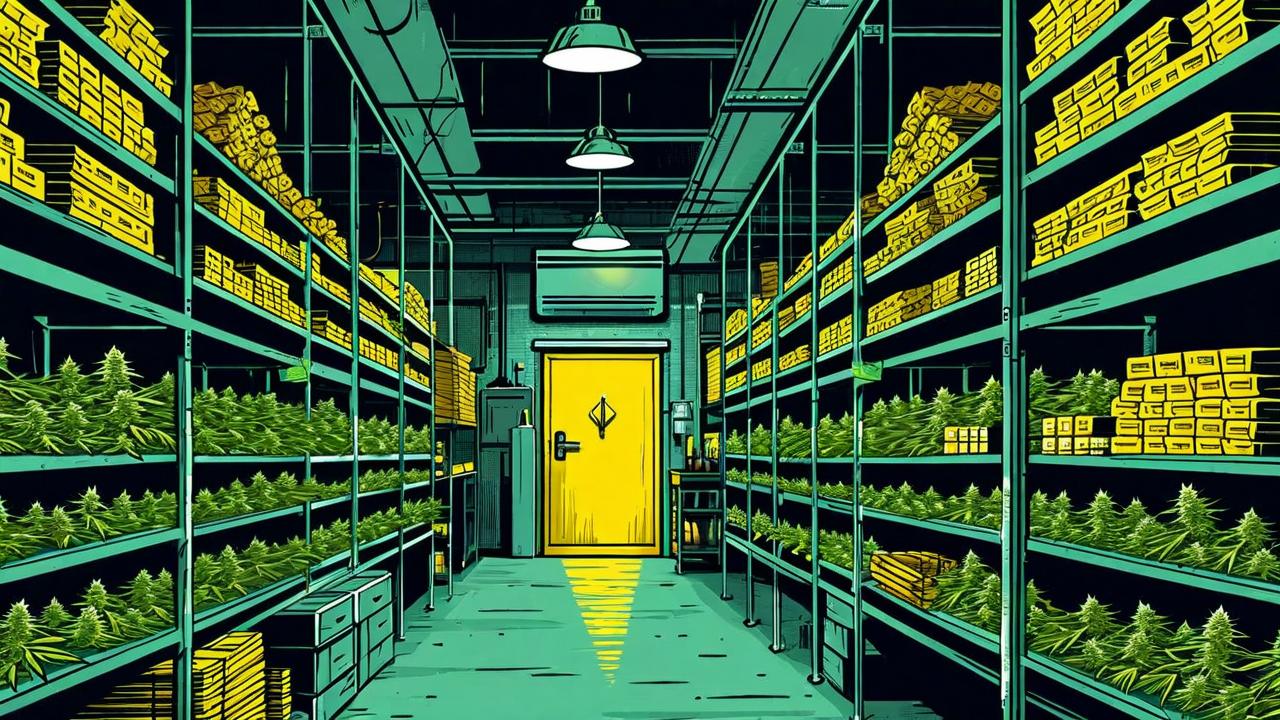

*this image is generated using AI for illustrative purposes only.
California’s regulated cannabis industry has generated $8.4 billion in tax revenue since legal sales began in 2018, Governor Gavin Newsom announced on Wednesday.
The funds support state programs including childcare, youth substance abuse prevention, medical research, and environmental recovery. Newsom stated the administration will continue strengthening the legal market while targeting illicit operators.
Recent Revenue and Enforcement
In the second quarter of 2026, licensed cannabis retailers remitted $261.7 million in excise and sales taxes to the state. This quarterly collection contributes to the cumulative total disclosed by the governor.
Enforcement actions remain a priority for the administration. Authorities recently seized approximately $13.3 million worth of illicit cannabis and tobacco products from a Los Angeles County warehouse. The haul included:
- 280,072 illegally labeled cannabis packages
- 107,441 edible packages
- 84,463 THC vape pens
Trista Gonzalez, Director of the California Department of Tax and Fee Administration, said removing illicit products protects law-abiding licensed businesses.
What the Numbers Show
The $261.7 million collected in Q2 2026 represents a significant portion of the annualized run rate implied by the cumulative total. With $8.4 billion generated over roughly eight years (2018–2026), the average annual revenue is approximately $1 billion. The Q2 figure suggests current quarterly collections are tracking above this long-term average, indicating potential growth in recent years or seasonal variation.
Wealth Tax Concerns
Separately, critics have raised concerns about California’s proposed one-time 5% wealth tax. Former White House economic adviser Tomas Philipson argued the measure could reduce overall state tax revenue if it drives wealthy residents and investment out of the state.
Billionaire entrepreneur Mark Cuban warned the tax could discourage investment and push startup founders out of California, noting it could hurt those who are "cash poor, stock rich." Steve Hilton described the proposal as "economic suicide," arguing it could damage the state’s technology and innovation economy.

How might the proposed 5% wealth tax impact investor confidence in California's regulated cannabis sector, which relies heavily on private equity and venture capital?
What specific policy adjustments could the state implement to further close the gap between the illicit and legal cannabis markets beyond current enforcement actions?
Will the projected growth in quarterly tax revenues be sustainable, or is it likely to plateau as market saturation increases across licensed retailers?
 16
16







 Access Market Heat-map & Insights
  Create, Save & Share your Screener
  Use 200+ Screening Filters





