Cooper tells IDF US may need joint strikes on Iran

0 min read     Updated on 13 Aug 2026, 11:41 PM
scanx
Reviewed by
Shraddha JScanX News Team
AI Summary

Adm. Brad Cooper, head of U.S. CENTCOM, has urged senior IDF officials that the U.S. may need to resume fighting Iran through joint strikes. This stance contrasts with a recent U.S. call to close all conflict fronts. The proposed targets include Iran's gas, oil, and electricity infrastructure.

powered bylight_fuzz_icon
48190258

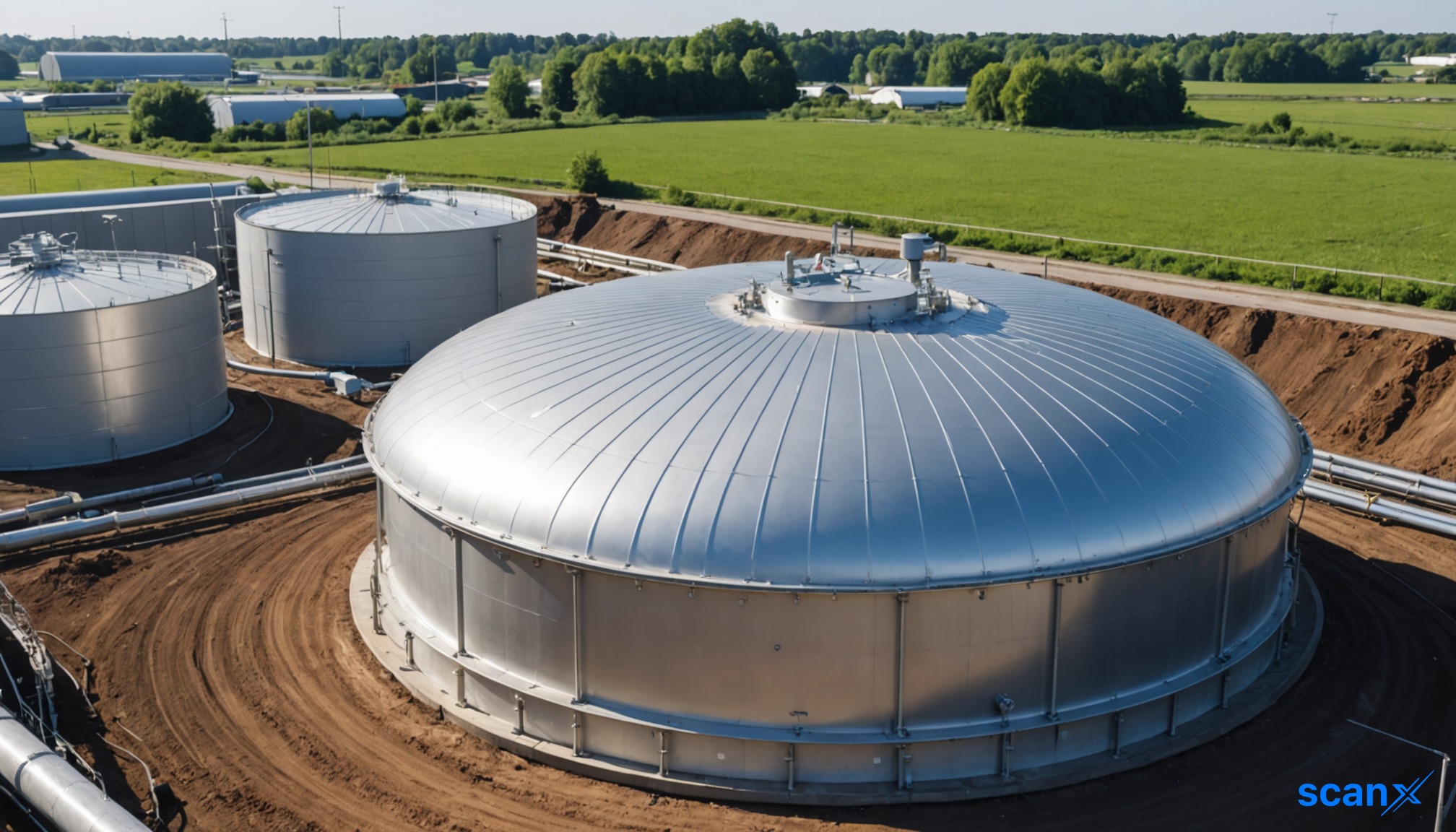
*this image is generated using AI for illustrative purposes only.

U.S. Central Command Commander Adm. Brad Cooper has signaled a potential shift in American military posture toward Iran, telling senior Israeli Defense Forces (IDF) officials that the United States may have no choice but to resume fighting. According to a report by Israel's Channel 13, Cooper emphasized that any renewed military action would necessitate joint strikes with Israel.

Divergence from recent diplomatic stance

Cooper’s comments come during his current visit to Israel and stand in contrast to broader U.S. diplomatic messaging. Last week, the United States called for closing all fronts in the region. Despite this recent push for de-escalation, Cooper is advocating for renewed attacks on Iranian infrastructure.

Targets of proposed strikes

The call for renewed military action specifically targets critical components of Iran's energy and utilities network. The identified targets include:

  • Gas infrastructure
  • Oil infrastructure
  • Electricity infrastructure

This strategic focus aims to degrade Iran's energy capabilities, marking a significant escalation in rhetoric compared to the previous week's diplomatic appeals.

How might the targeting of Iran's energy and electricity infrastructure impact global oil prices and supply chain stability?

What are the potential diplomatic repercussions for U.S.-Israel relations if joint strikes proceed despite recent U.S. calls for regional de-escalation?

Could this shift in military posture trigger a broader regional conflict involving Iranian proxies in Lebanon, Yemen, or Iraq?

like16
dislike

Iran states no vessels can pass Hormuz without permission

0 min read     Updated on 13 Aug 2026, 06:59 PM
scanx
Reviewed by
Anirudha BScanX News Team
AI Summary

Iran has stated that no vessels can pass through the Strait of Hormuz without its permission, according to television reports. The declaration asserts Iranian control over one of the most strategically significant maritime chokepoints for global trade and energy shipments. No details on enforcement or timeline were provided in the reports.

powered bylight_fuzz_icon
48173375

*this image is generated using AI for illustrative purposes only.

Iran has stated that no vessels can pass through the Strait of Hormuz without its permission, according to television reports. The declaration represents a significant assertion of authority over the strait, which serves as a critical passage for global maritime trade and energy shipments.

Iran's Hormuz declaration

The statement, as reported by television sources, positions Iran as a gatekeeper over vessel movement through the Strait of Hormuz. No further details regarding the scope, enforcement mechanism, or timeline of this declaration were provided in the reports.

Strategic significance of the strait

The Strait of Hormuz is widely recognised as one of the most consequential maritime chokepoints in the world, with a substantial share of global oil and energy cargo transiting through its waters. Iran's stated position on vessel passage through the strait carries implications for international shipping and energy supply chains.

How might major oil-exporting nations in the Gulf react diplomatically or militarily to Iran's assertion of control over the Strait of Hormuz?

What immediate impact could this declaration have on global crude oil prices and insurance premiums for maritime shipping routes?

Will international naval coalitions, such as those led by the US or UK, increase their presence in the region to challenge Iran's enforcement capabilities?

like19
dislike
Must Read Next

Earnings

Kilitch Drugs Q1 Results: Revenue rises 4%, EBITDA margin dips 3 hrs ago
no imag found
Modison Q1 Results: Net Profit Jumps 604% YoY to ₹338 crore 3 hrs ago
Foseco India Q1 Results: Net Profit Rises 6.5% YoY to ₹229 Million 3 hrs ago

Stocks

SEAMEC co-chairman expects continuous offshore demand on energy security push 3 hrs ago
no imag found
Maan Aluminium pivots to high-value products with 24,000 TPA extrusion capacity 3 hrs ago
Birla Estates enters Navi Mumbai with ₹2,600 crore Vashi redevelopment project 3 hrs ago