Sanders Proposes Robot Tax to Support Displaced Workers


Senator Bernie Sanders criticizes major corporations, especially Amazon, for increasing automation that displaces human workers. He proposes a robot tax to support affected families and calls for slowing down AI implementation. Sanders suggests the revenue from this tax should assist workers who lose jobs to automation. He also expresses concerns about the broader impact of AI on society and criticizes Congress for not addressing these issues adequately.
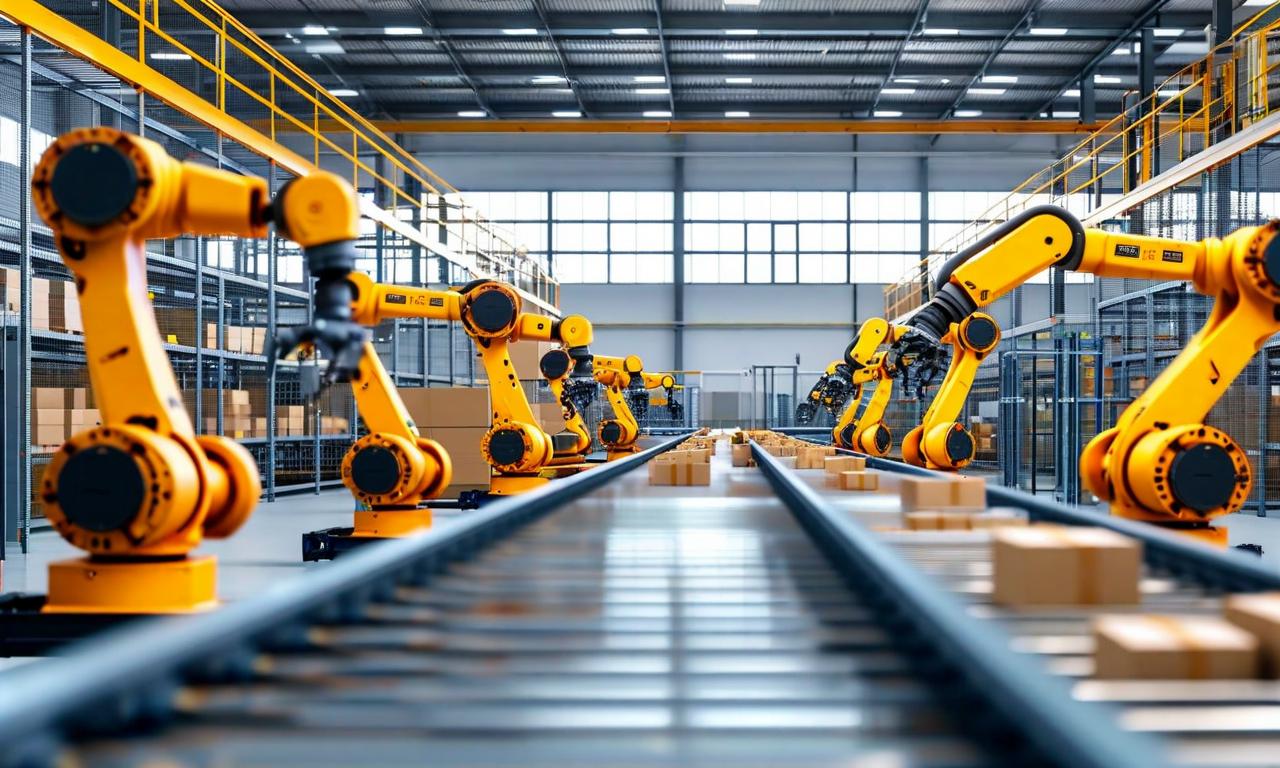
*this image is generated using AI for illustrative purposes only.
United States Senator Bernie Sanders has intensified his criticism of major corporations, particularly Amazon, for their increasing reliance on automation that displaces human workers. In a recent statement, Sanders outlined his concerns about the corporate shift toward robotic systems and proposed policy solutions to address the resulting economic challenges.
Sanders criticized Amazon's automation practices and suggested taxing robots to generate revenue for working families affected by job displacement from AI and automation. The Vermont Senator explained that companies like Amazon choose robots over human workers for clear financial reasons, as robots eliminate the need for wages, healthcare coverage, time off, sick leave, Social Security, Medicare, and unemployment benefits.
Proposed Robot Tax Solution
To address the economic displacement caused by automation, Sanders proposed implementing a tax on robots used in corporate operations. The Senator suggested that revenue generated from this robot tax should be directed toward supporting working families who have lost employment due to automation. This policy approach aims to create a financial mechanism that helps offset the social costs of technological advancement while providing assistance to displaced workers.
Broader AI and Technology Concerns
Sanders expanded his criticism beyond automation to address artificial intelligence development more broadly. He described AI as "the most consequential technology in human history" and expressed concerns about its rapid implementation. The Senator questioned whether tech industry leaders are adequately considering the impact on working people, specifically mentioning Elon Musk, Mark Zuckerberg, Jeff Bezos, and Peter Thiel.
Congressional Action and Policy Recommendations
The Vermont Senator criticized Congress for failing to address the employment implications of advancing technology. Sanders argued that lawmakers have not engaged in serious discussions about how people will maintain income, healthcare access, and housing when automation eliminates jobs. He called for comprehensive studies of AI's mental health impact and urged consideration of a moratorium on new AI data centers.
Sanders emphasized the need to slow the automation process, arguing that tech leaders cannot simply tell society to adapt without providing guarantees for healthcare access and employment alternatives. He questioned whether the individuals driving AI development are considering the broader social implications, suggesting their primary motivation may be increasing wealth and power.
 17
17