

Barrasso says GOP must act on affordability as CPI hits 3.4%


- Consumer prices rose 3.4% YoY through August while real hourly earnings fell 0.3%
- On-highway diesel averaged $6.285 per gallon, up $2.546 from a year earlier
- Rail fuel surcharges on grain shipments surged 153% YoY to 48 cents per mile
- Barrasso links affordability relief to increased domestic energy production

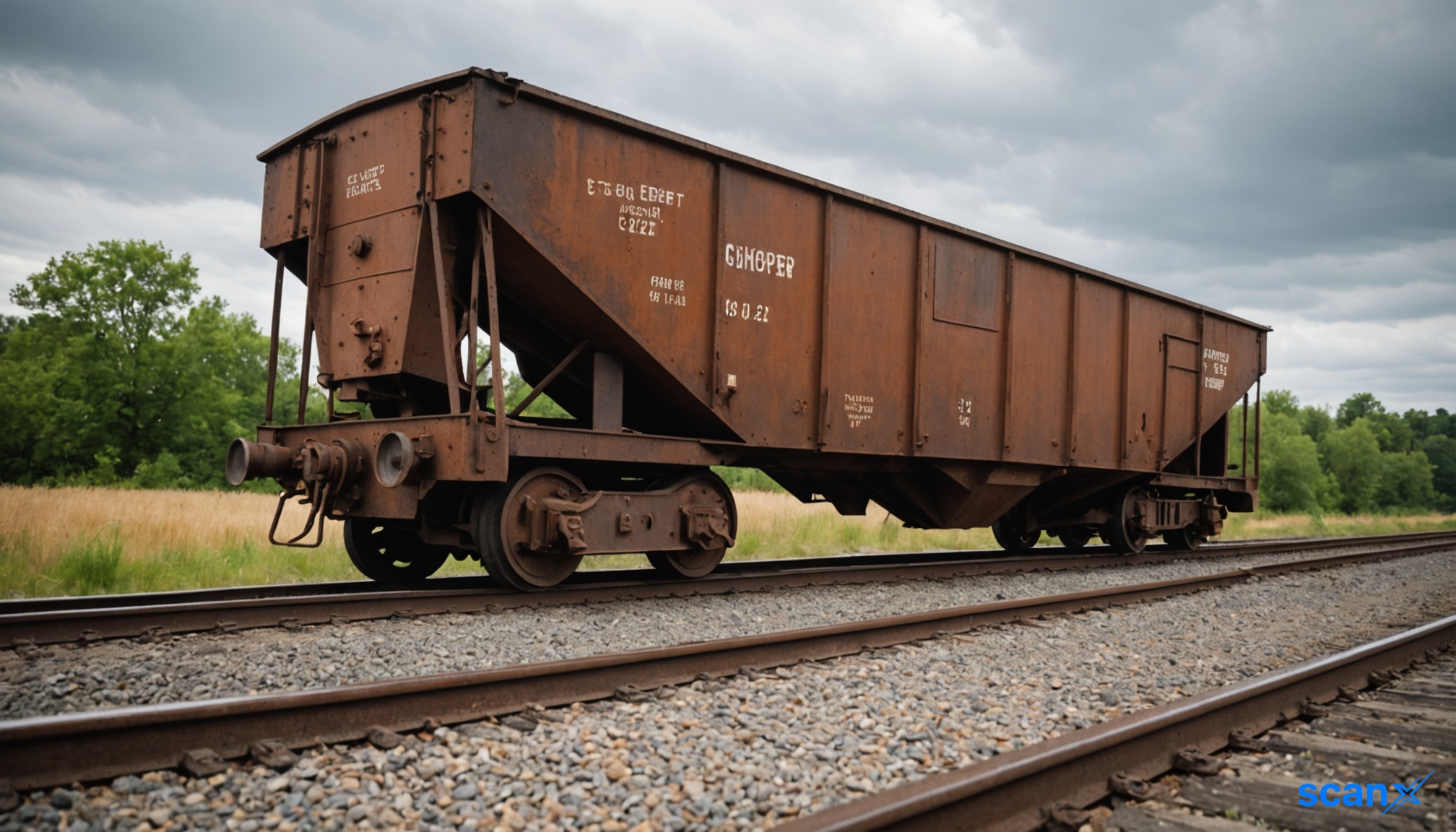

*this image is generated using AI for illustrative purposes only.
Senate Majority Whip John Barrasso said Republicans "need to do more" to ease affordability pressures as consumer prices rose 3.4% in the 12 months through August.
The Wyoming senator highlighted the political stakes ahead of November’s midterm elections, noting that voters are focused on their immediate economic realities. He argued that policymakers must "get more money into people’s pockets" to counter the pain felt at grocery stores and gas stations.
Inflation and Earnings Data
Bureau of Labor Statistics data reveals a divergence between price growth and wage gains. While consumer prices increased by 3.4%, real average hourly earnings fell 0.3% from a year earlier. This indicates that purchasing power has contracted despite nominal wage movements.
| Metric | Value | Period |
|---|---|---|
| Consumer Price Index Increase | 3.4% | 12 months through August |
| Real Average Hourly Earnings Change | -0.3% | Year-over-year |
| Gasoline Price Jump | 3.9% | August |
Gasoline prices jumped 3.9% in August alone, accounting for more than one-third of the monthly CPI increase. This sharp rise in fuel costs is a primary driver of the broader inflationary pressure.
Diesel Costs Squeeze Farmers
Fuel expenses have intensified for agricultural producers. The Energy Information Administration reported the national average for on-highway diesel at $6.285 per gallon on Sept. 14, which is $2.546 above the level recorded a year earlier.
Rail fuel surcharges on grain shipments surged 153% year over year to 48 cents per mile per railcar. These surcharges now represent about 11% of grain rail transportation costs, up from 5% a year earlier. This shift increases the cost burden for corn and soybean farmers entering harvest season.
What the Numbers Show
The data reveals a structural shift in transportation costs for agriculture. While total rail transportation costs are not disclosed, the fuel surcharge component more than doubled its share from 5% to 11%. This concentration suggests that fuel volatility is becoming a dominant factor in logistics expenses, disproportionately affecting farmers compared to other sectors where fuel may constitute a smaller percentage of total transport costs.
Policy Outlook
Barrasso tied potential relief to energy policy, advocating for increased domestic energy production and reduced regulations. He predicted that diesel prices would decline once the conflict in Iran ends, stating they would "go down and stay down under President Trump."
Global refinery disruptions linked to the Middle East conflict and attacks on Russian refining infrastructure have contributed to record diesel prices. Lawmakers have also discussed possible restrictions on diesel exports as a measure to ease domestic prices.

How might proposed restrictions on diesel exports impact U.S. trade relations and global energy market stability?
What specific regulatory changes could Republicans propose to accelerate domestic energy production before the November midterms?
To what extent will the 153% surge in rail fuel surcharges force corn and soybean farmers to adjust their planting strategies for the next season?
 18
18






 Access 50+ Readymade Screeners
  Use 200+ Custom Filters
  Get Full Market Insights





