

Asia Pacific Set to Dominate Global Aircraft Demand Over Next Two Decades


Airbus predicts Asia Pacific will need 19,560 new aircraft over the next 20 years, representing 46% of global demand. The region's annual passenger growth is expected to be 4.4%, surpassing the global average of 3.6%. India and China are anticipated to be the primary drivers of this expansion, fueled by rapid economic growth, an expanding middle class, and increasing air travel popularity. This forecast has significant implications for airlines, manufacturers, airports, and investors in the aviation sector.

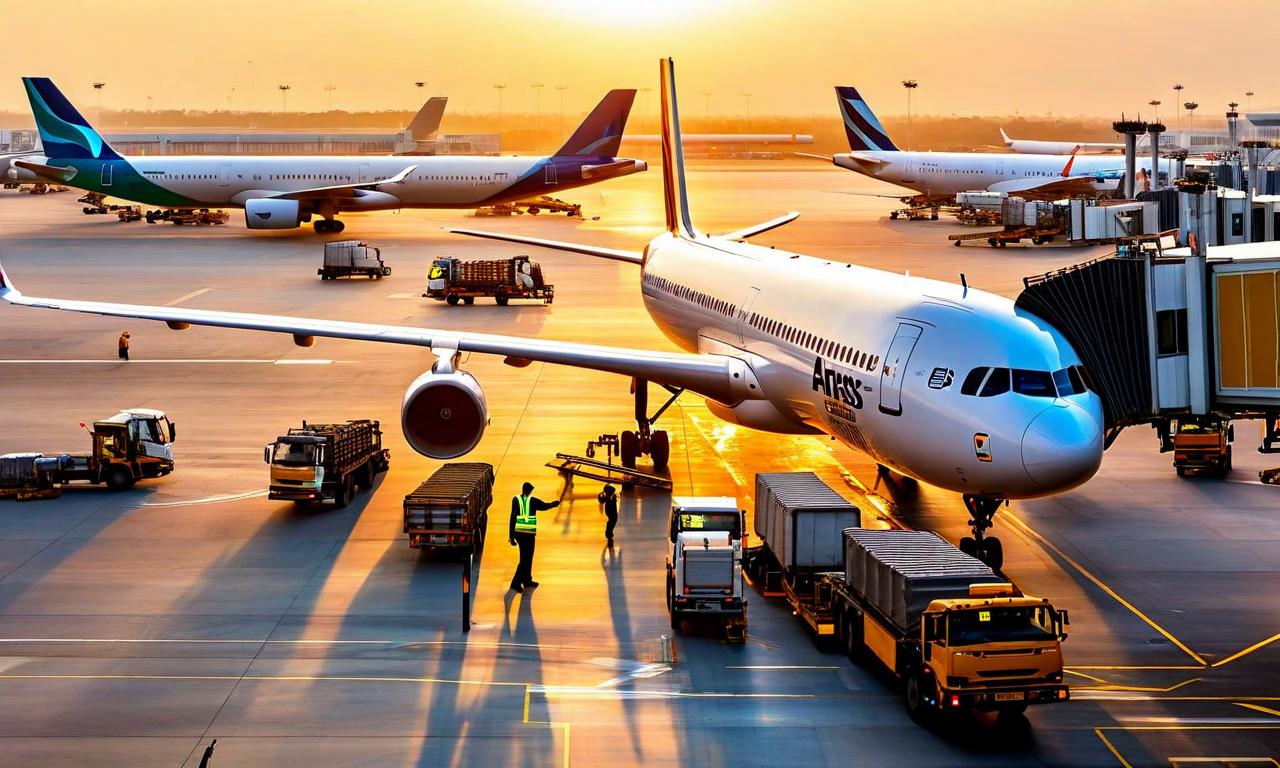

*this image is generated using AI for illustrative purposes only.
Airbus, the European aerospace giant, has released its latest forecast for the aviation industry, highlighting the Asia Pacific region as a key driver of growth in the coming years. The company's projections paint a picture of robust expansion in air travel, particularly in emerging markets like India and China.
Asia Pacific Takes Center Stage
Airbus predicts that the Asia Pacific region will require 19,560 new aircraft over the next 20 years. This demand encompasses both narrow-body and wide-body planes, reflecting the diverse needs of airlines operating in the region. To put this into perspective, the forecast for Asia Pacific represents nearly half (46%) of the global aircraft demand, which Airbus estimates at 42,520 units for the same period.
Impressive Growth Projections
The forecast underscores the dynamic nature of the Asia Pacific aviation market:
| Metric | Asia Pacific | Global |
|---|---|---|
| Annual Passenger Growth | 4.4% | 3.6% |
| New Aircraft Demand | 19,560 | 42,520 |
| Share of Global Demand | 46% | 100% |
The region's expected annual passenger growth rate of 4.4% outpaces the global average of 3.6%, indicating a faster expansion of air travel in Asia Pacific compared to other parts of the world.
Driving Forces: India and China
At the heart of this projected growth are two of Asia's largest economies: India and China. These nations are expected to be the primary catalysts for the expansion, as airlines in both countries look to significantly enlarge their fleets to meet the rising demand for air travel.
The surge in demand is attributed to several factors:
- Rapid economic growth in the region
- Expanding middle class with increased disposable income
- Growing popularity of air travel for both business and leisure
- Development of new routes and destinations
Implications for the Aviation Industry
This forecast has far-reaching implications for various stakeholders in the aviation sector:
Airlines
Carriers in the region will need to plan for substantial fleet expansions and possibly explore new business models to capitalize on the growing market.
Manufacturers
Aircraft producers like Airbus and its competitors will likely see a surge in orders, potentially leading to increased production capacity and technological innovations.
Airports
Infrastructure development will be crucial to accommodate the influx of new aircraft and passengers.
Investors
The projected growth could present significant opportunities in aviation-related stocks and infrastructure projects.
As the aviation landscape continues to evolve, the Asia Pacific region appears poised to play a pivotal role in shaping the future of global air travel. With its robust growth projections and increasing share of the global market, the region is set to become an even more critical focus for the aviation industry in the years to come.
 15
15






 Create Custom Screeners
  Access 200+ Pre-built Filters
  Use 50+ Readymade Screener





