

Zylidac Bio signs partnership with Prolific Machines to scale biologics platform


- Zylidac Bio and Prolific Machines partner to scale optogenetics-enabled biologics manufacturing to GMP production
- Tech transfer begins at 50-liter scale, with plans to expand to 250 liters and commercial GMP levels
- Prolific reports record productivity of 21 g/L for mAbs and up to 3-fold titer increases for complex formats
- Partnership leverages Zylidac's 83,000-square-foot Emeryville facility for end-to-end drug substance and product manufacturing

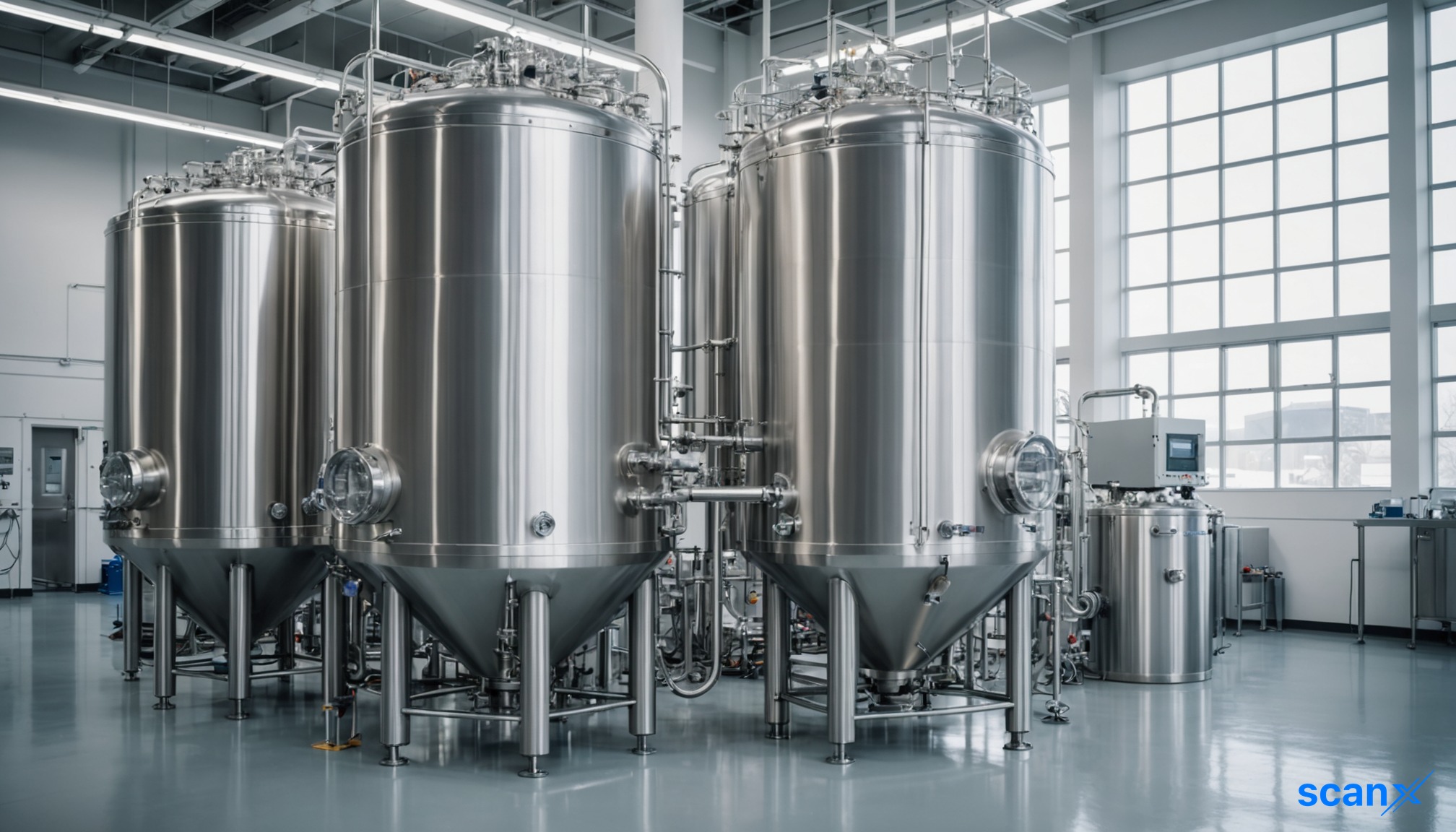

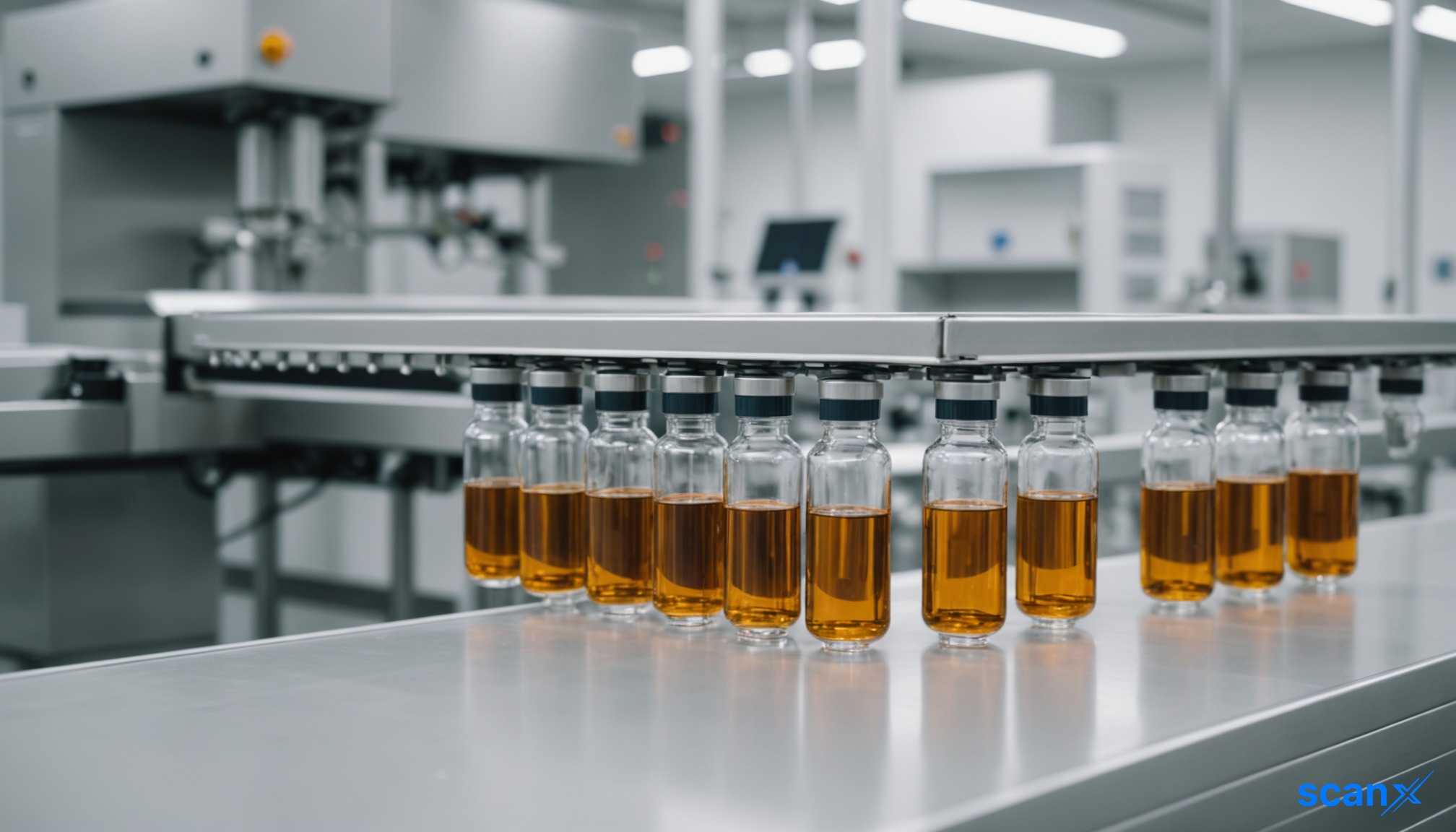
*this image is generated using AI for illustrative purposes only.
Zydus Lifesciences subsidiary Zylidac Bio announced a partnership with Prolific Machines to scale the latter's light-controlled cell line development platform into Good Manufacturing Practice (GMP) production. The collaboration aims to deliver higher yields and enhanced quality for complex biologics by integrating Prolific's optogenetics technology with Zylidac's manufacturing infrastructure.
The agreement involves a tech transfer of Prolific's process at 50-liter scale at Zylidac's Emeryville facility to reproduce laboratory results. Subsequently, the companies plan to scale client programs to 250 liters and eventually into full GMP manufacturing scale. Prolific's illumination hardware is designed to work with standard bioreactors, eliminating the need for new infrastructure investments.
Technology capabilities and performance
Prolific's platform utilizes light to control protein expression in engineered cell lines, combining optogenetics-enabled cells, AI-driven optimization, and advanced analytics. The technology targets difficult-to-express proteins, including multi-specific antibodies, fusion proteins, and cytokines.
| Metric | Value | Context |
|---|---|---|
| Record Productivity | 21 g/L | Monoclonal antibody (mAb) in 15-day intensified fed-batch CHO run |
| Titer Increase | Up to 3-fold | Observed in other complex formats |
| Initial Scale | 50 liters | Tech transfer phase at Zylidac site |
| Target Scale | 250 liters | Planned scaling for client programs |
Operational synergy and workflow
The partnership creates an end-to-end pathway for clients, spanning early development through commercial supply. Programs can begin with cell line development at Prolific and move to Zylidac for scale-up, drug substance and product manufacturing, fill-finish, and packaging. Both companies are headquartered in Emeryville, California, facilitating close collaboration between science and production teams.
Steve Lavezoli, Chief Commercial Officer of Zylidac, noted that the capabilities are highly complementary. Prolific focuses on early-stage cell line development, while Zylidac provides the process development, scale-up, and GMP capacity required for later stages. Zylidac's 83,000-square-foot facility is designed to take a molecule from cell line to finished product under one quality system.
What the numbers show
The disclosed productivity milestone of 21 g/L for monoclonal antibodies represents a significant efficiency gain compared to industry standards for complex modalities. When combined with the reported up to 3-fold titer increases for other formats, the data suggests that the optogenetics platform addresses a critical bottleneck in biologics manufacturing: yield consistency for difficult-to-express proteins. The strategic proximity of the two Emeryville sites reduces logistical friction, allowing for rapid iteration between development and production phases.
Historical Stock Returns for Zydus Life Science
| 1 Day | 5 Days | 1 Month | 6 Months | 1 Year | 5 Years |
|---|---|---|---|---|---|
| +0.31% | -1.51% | -3.68% | +18.36% | +13.13% | +111.97% |

How might the reported 21 g/L productivity milestone impact the competitive landscape for traditional cell line development providers like Thermo Fisher or Lonza?
What specific regulatory hurdles must be cleared to validate optogenetically controlled protein expression under GMP standards for clinical trial submissions?
To what extent could the elimination of new infrastructure requirements accelerate the adoption of this platform by mid-sized biotech firms with limited capital expenditure budgets?
 19








 Access 50+ Readymade Screeners
 Use 200+ Custom Filters
 Get Full Market Insights





