

Yatsen Holding Q2FY26 Results: Net loss widens to ¥90.8 million


- Net loss widened to 90.8 million yuan in Q2, compared to 19.5 million yuan loss a year earlier
- Revenue rose 5.1% YoY to 1.14 billion yuan, driven by a 40.4% surge in skincare sales
- Skincare now accounts for over 70% of total revenue, while color cosmetics fell 35.8%
- Gross margin contracted to 73.9% from 78.3%, with marketing expenses exceeding 70% of revenue
- Company invested heavily in AI-driven R&D, spending over 770 million yuan since 2022

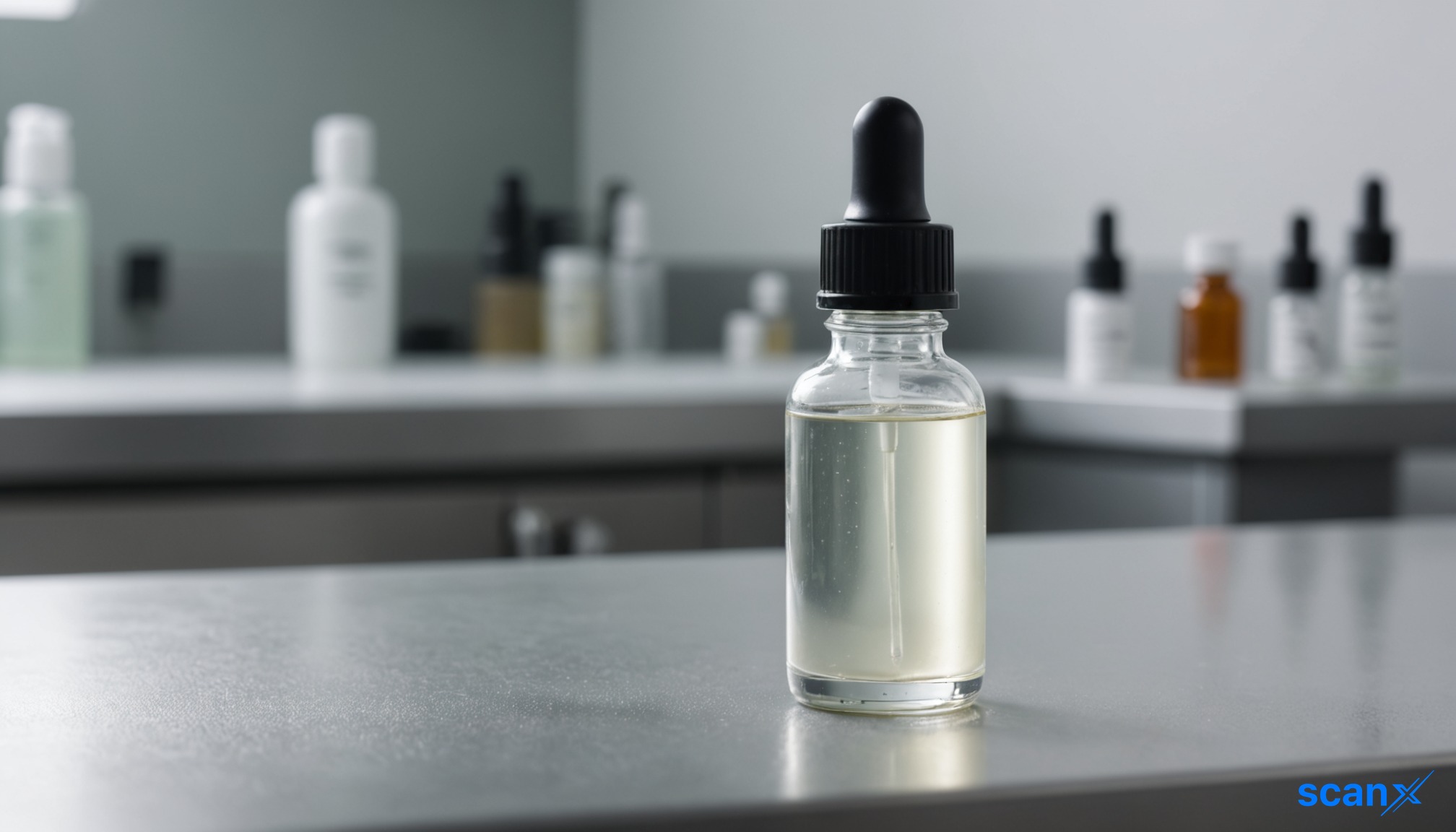

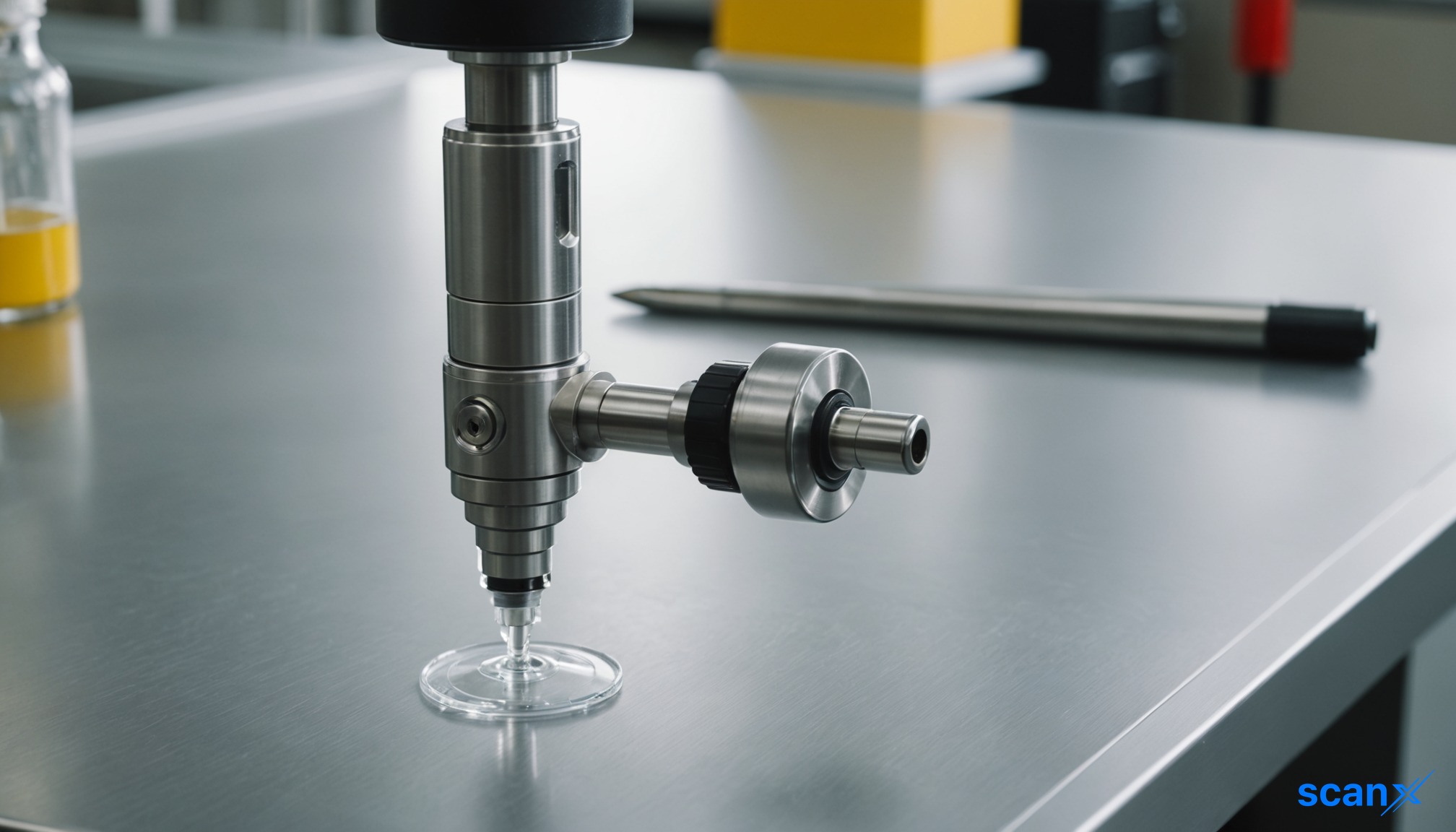
*this image is generated using AI for illustrative purposes only.
Yatsen Holding Ltd (NYSE: YSG) reported a widened net loss of 90.8 million yuan for the second quarter, up from a 19.5 million yuan loss in the same period last year. The New York-listed beauty company’s non-GAAP loss also expanded to 99.4 million yuan, reversing its profitability from the prior year.
The results reflect the company’s aggressive pivot from color cosmetics to skincare, a transition accompanied by rising marketing expenses and contracting gross margins. While revenue grew modestly, the cost structure and competitive pressures in China’s beauty market weighed on bottom-line performance.
Financial Performance
Revenue rose 5.1% year-on-year to 1.14 billion yuan ($168.3 million) in the three months ended June. Despite the top-line growth, profitability deteriorated significantly:
| Metric | Q2 Current Year | Q2 Prior Year | Change |
|---|---|---|---|
| Revenue | 1.14 billion yuan | — | +5.1% |
| Net Loss | 90.8 million yuan | 19.5 million yuan | Wider |
| Non-GAAP Loss | 99.4 million yuan | Profitable | Turned negative |
| Gross Margin | 73.9% | 78.3% | Contracted |
Gross margin fell to 73.9% from 78.3% a year earlier, indicating pricing pressure or higher input costs during the product mix shift. Chairman David Huang attributed the margin compression to sustained investment in brand building, noting that marketing expenses exceeded 70% of revenue. He emphasized that these efforts are raising brand awareness and that existing brands have yet to reach their full potential.
Skincare Drives Growth
Skincare has become Yatsen’s primary growth engine, surpassing its traditional color cosmetics line. Revenue from skincare brands—including Galénic, Dr. Wu, and Eve Lom—jumped 40.4% during the quarter, accounting for more than 70% of total sales. This marks a significant shift from a year earlier, when skincare revenue had just crossed the 50% threshold.
Conversely, revenue from color cosmetics, led by the Perfect Diary brand, fell 35.8%. This decline reflects intensifying competition and growing consumer caution in the crowded Chinese makeup market, where Yatsen previously relied on aggressive digital marketing and celebrity partnerships.
What the Numbers Show
The divergence between skincare and cosmetics performance highlights Yatsen’s structural transformation. With skincare contributing over 70% of revenue but gross margins contracting by 440 basis points, the company is trading short-term profitability for market share in a higher-value segment. The fact that marketing spend exceeds 70% of revenue suggests that customer acquisition costs remain high, potentially limiting near-term margin recovery despite the successful volume shift toward skincare.
Technology and Manufacturing
Yatsen is leveraging AI and biotech research to differentiate its products. At its Guangzhou manufacturing hub—a joint venture with South Korea’s Cosmax—the company uses AI-assisted ingredient discovery, formulation development, and clinical assessment. The facility, which began operations in 2023, spans 78,000 square meters and is billed as Asia’s largest single cosmetics plant.
Key technological initiatives include:
- AI-based molecular docking to identify PDRN efficacy boosters, shortening ingredient discovery from years to months.
- Automated robotic arms and guided vehicles for materials handling and packaging.
- A 3,000-square-meter testing center with instruments valued at more than 10 million yuan, monitoring over 50 quality parameters.
Yatsen has spent more than 770 million yuan on product development since 2022, with R&D expenses representing about 3.3% of revenue in the latest quarter. The company operates research centers in Shanghai, Guangzhou, and Toulouse, France, aiming to apply skincare technologies to color cosmetics through "makeup skintification."
Strategic Outlook
China remains Yatsen’s top priority, though the company is exploring opportunities in Asia and Europe. Chairman David Huang stated that Yatsen is not ruling out acquisitions of assets with strong brand equity and product performance, adhering to its multi-brand strategy vision.
The stock has lost more than three-quarters of its value over the last 52 weeks, erasing gains from a rally in the first half of 2025. Investors will be watching whether Yatsen’s investments in science, AI, and scalable production can deliver durable competitive advantages in China’s fast-changing beauty market.

How long does Yatsen anticipate it will take for gross margins to recover as the company scales its skincare operations and optimizes marketing efficiency?
What specific metrics will Yatsen use to determine if its AI-driven R&D investments are translating into a sustainable competitive moat against established global skincare brands?
Given the 35.8% decline in color cosmetics revenue, will Yatsen attempt to revitalize the Perfect Diary brand through 'makeup skintification' or eventually divest assets to focus solely on skincare?
 17
17





 Access 50+ Readymade Screeners
  Use 200+ Custom Filters
  Get Full Market Insights





