

Vibhor Steel Q4 revenue rises 16% to ₹335.13 crore


Vibhor Steel Tubes reported a 16.24% year-on-year increase in operating income to ₹335.13 crore for Q4FY26, with EBITDA rising 26.15% to ₹15.34 crore. Net profit declined 42.12% to ₹2.57 crore due to increased finance costs and depreciation associated with the new Odisha facility. For the full year FY26, operating income reached ₹1,149.35 crore, while annual profit decreased to ₹8.79 crore. Management emphasized a strategic shift towards value-added products, targeting a product mix of 75:25 by FY28, and reported strong order inflows for transmission towers and poles.

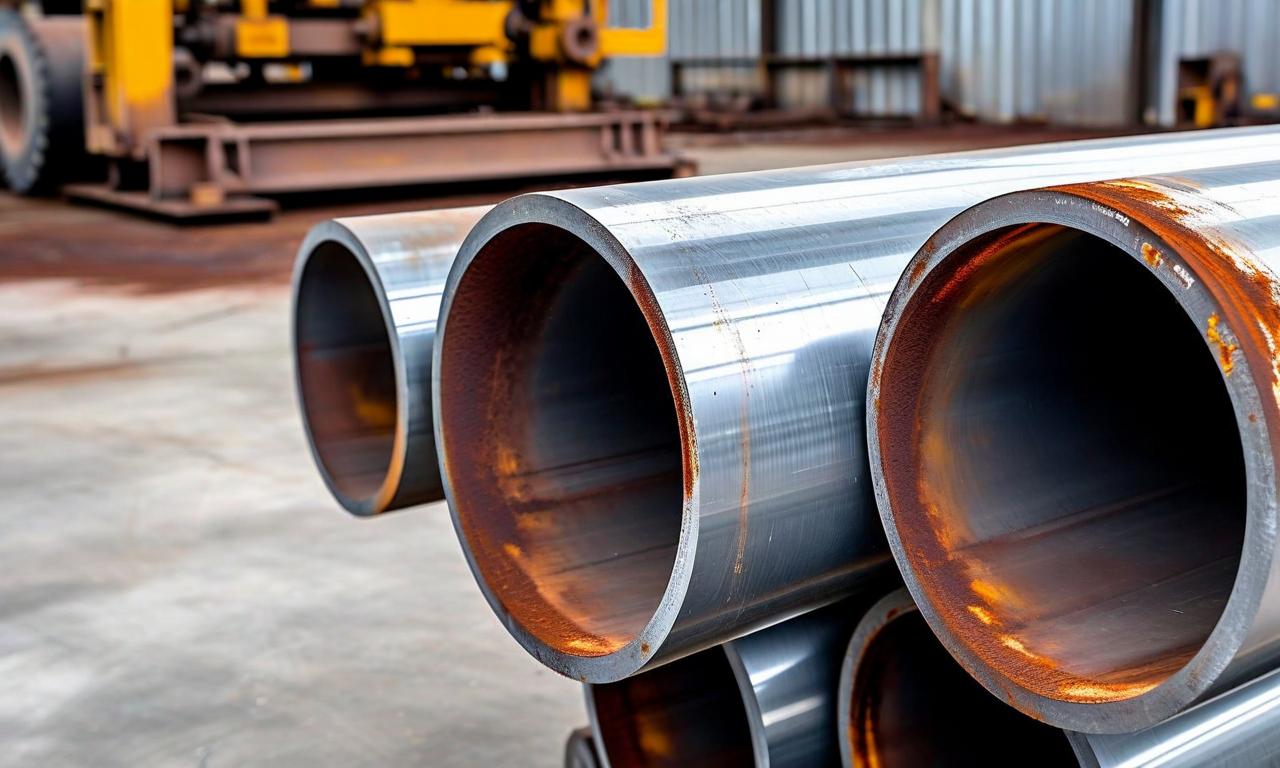

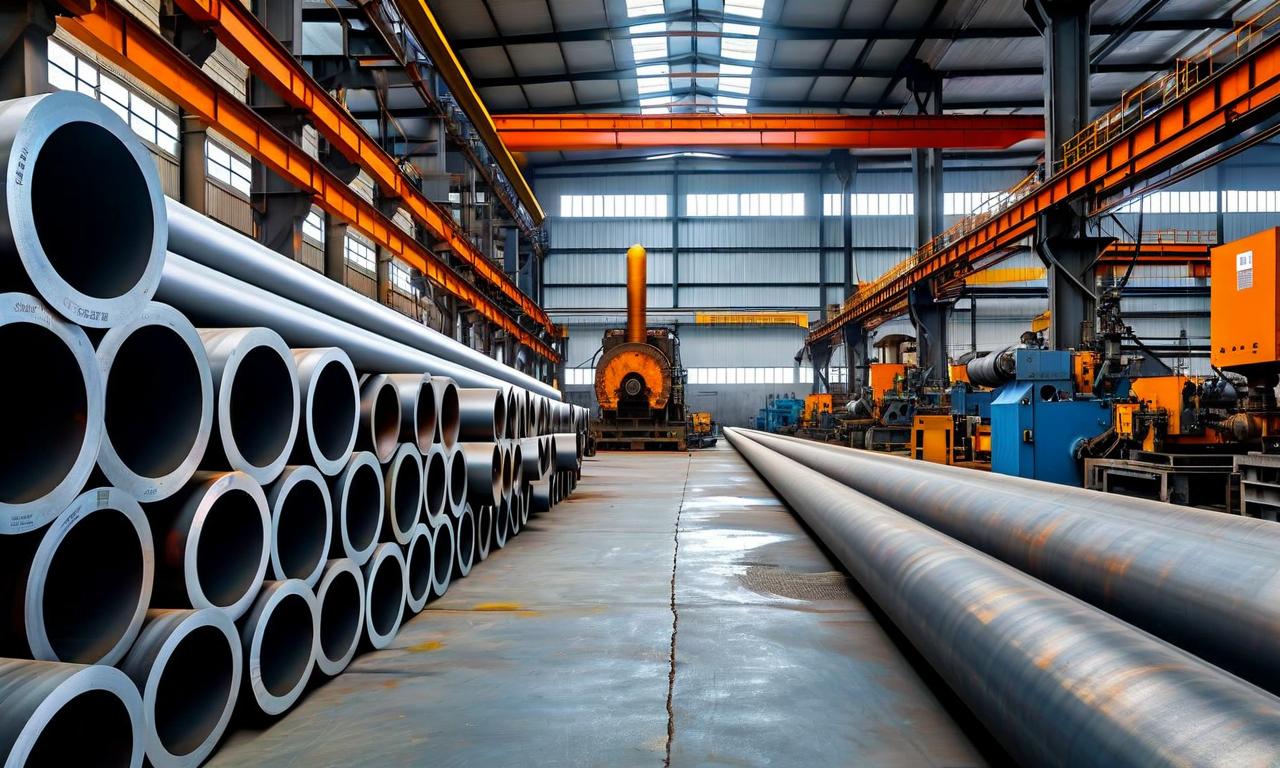
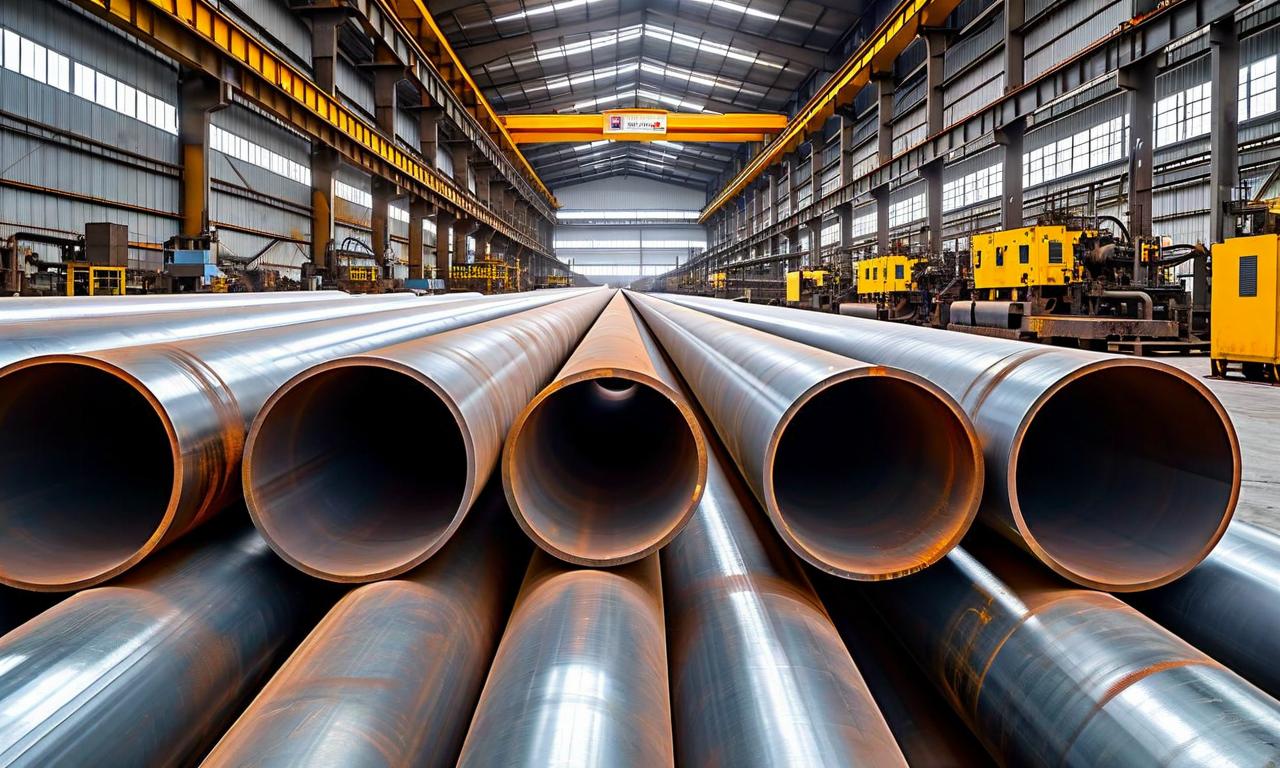
*this image is generated using AI for illustrative purposes only.
Vibhor Steel Tubes reported a 16.24% year-on-year increase in operating income to ₹335.13 crore for the quarter ended March 31, 2026, driven by capacity additions and strong demand. While EBITDA surged 26.15% to ₹15.34 crore, net profit declined 42.12% to ₹2.57 crore due to increased finance costs and depreciation following the commencement of operations at its Odisha plant. The company’s Board of Directors approved the audited financial results on May 20, 2026. Following the intimation dated May 15, 2026, filed under Regulation 30 of the SEBI (Listing Obligations and Disclosure Requirements) Regulations, 2015, the company provided access to the audio recording and transcript of the earnings call held on May 26, 2026, at 3:00 P.M. IST.
Financial Performance
For the full year ended March 31, 2026, operating income rose to ₹1,149.35 crore from ₹996.38 crore in the previous year. Profit for the year stood at ₹8.79 crore, a decrease from ₹11.77 crore in FY25. The decline in annual profitability was attributed to the ramp-up of the new facility in Odisha.
| Particulars | Q4FY26 | Q4FY25 | Growth (%) | FY26 | FY25 | Growth (%) |
|---|---|---|---|---|---|---|
| Net Profit (Rs crore) | 2.57 | 4.44 | (42.12) | 8.79 | 11.77 | (25.32) |
| Operating Income (Rs crore) | 335.13 | 288.30 | 16.24 | 1149.35 | 996.38 | 15.35 |
| EBITDA (Rs crore) | 15.34 | 12.16 | 26.15 | 46.40 | 38.48 | 20.58 |
| EPS (Rs) | 1.36 | 2.34 | (41.88) | 4.64 | 6.21 | (25.28) |
Operational Highlights
The company commenced commercial production at its greenfield plant in Sundargarh, Odisha, in July 2025. The facility, built with an investment of ₹119.83 crore, has a capacity of 156,000 MTPA and manufactures value-added products such as transmission line towers, crash barriers, and poles. This expansion increased the company’s total installed capacity to 3,77,000 MTPA. Capacity utilization for FY26 was recorded at 175,956 MTPA.
Strategic Outlook
Vibhor Steel is focusing on a strategic shift towards value-added infrastructure products to improve margins. The company targets a realignment of its product mix from a 90:10 ratio of GI Pipes to others, to a 75:25 ratio by FY28. Exports, which currently contribute 3%–5% of revenue, are expected to scale up 10x over the next five years. The company operates manufacturing units in Maharashtra, Telangana, and Odisha.
Management Commentary
During the earnings call, management highlighted that the new tower division has secured orders for 2,300 tons, primarily from Madhya Pradesh Electricity and Chhattisgarh. The pole division has an order book of 300 tons against an installed capacity of 150 tons, prompting an expansion to 300 tons. The company is targeting an installed capacity of 500 tons per month for octagon and high-mass poles. Additionally, CRISIL upgraded the company's rating from BBB to BBB+, validating its growth trajectory. The company is also progressing on certifications for monopoles, expected by Q2FY27.
Historical Stock Returns for Vibhor Steel Tubes
| 1 Day | 5 Days | 1 Month | 6 Months | 1 Year | 5 Years |
|---|---|---|---|---|---|
| -3.38% | -6.99% | -18.64% | -11.09% | -32.65% | -77.31% |

How will the planned 10x increase in exports over the next five years impact Vibhor Steel's geographic revenue diversification and currency risk exposure?
What specific measures is the company taking to reduce finance costs and depreciation burdens as the Odisha plant ramps up to full capacity?
Will the strategic shift to a 75:25 product mix by FY28 require further capital expenditure, or will it be achieved through reallocation of existing capacity?
 17
17





 Access Market Heat-map & Insights
  Create, Save & Share your Screener
  Use 200+ Screening Filters





