

Universal Starch Chem FY26 Results: Net profit up 309% YoY


- Net profit surged 309% YoY to ₹131.2 crore despite flat revenue
- EBITDA grew nearly 70% to ₹337.4 crore driven by lower raw material costs
- Total debt reduced by 27% to ₹602.4 crore, improving leverage ratios
- No dividend declared for FY26; inventory levels dropped significantly
- Board reappointed key directors including Mrs. Nayankuwar J. Rawal

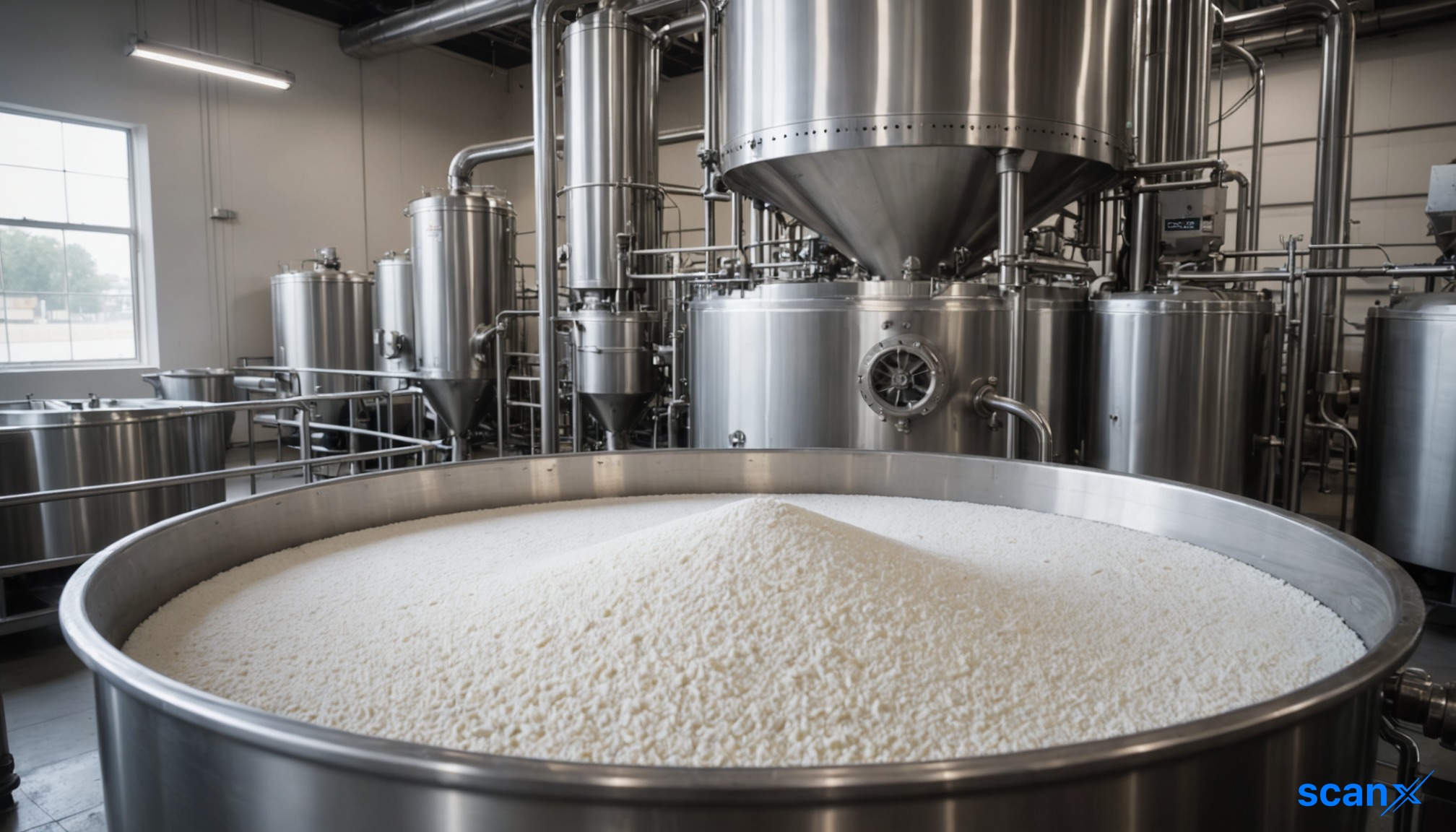

*this image is generated using AI for illustrative purposes only.
Universal Starch Chem Allied Limited reported a sharp recovery in profitability for the financial year ended March 31, 2026, driven by favorable raw material pricing and improved operational efficiency.
Universal Starch Chem posted a net profit of ₹131.2 crore for FY26, a significant increase from ₹32.1 crore in the previous year. Despite total revenue remaining relatively flat at ₹4,900.9 crore, the company achieved an operating profit margin expansion, reflecting better cost management amidst stable sales volumes.
Financial Performance Overview
The company's top-line growth was muted, with revenue from operations standing at ₹4,886.0 crore compared to ₹4,908.9 crore in FY25. However, the bottom line saw substantial improvement due to a reduction in the cost of materials consumed, which fell to ₹3,707.7 crore from ₹4,091.4 crore in the prior year.
| Metric | FY26 (₹ crore) | FY25 (₹ crore) | Change |
|---|---|---|---|
| Total Revenue | 4,900.9 | 4,923.9 | -0.5% |
| EBITDA | 337.4 | 198.6 | +69.9% |
| Net Profit | 131.2 | 32.1 | +308.8% |
| Debt | 602.4 | 826.4 | -27.1% |
The EBITDA rose to ₹337.4 crore from ₹198.6 crore, indicating stronger operational leverage. The improvement in margins was further supported by a decline in financial costs, which dropped to ₹81.4 crore from ₹93.0 crore, aided by reduced borrowing levels.
What the Numbers Show
A key divergence in the data is the decoupling of revenue stability from profit growth. While sales volumes and prices remained largely unchanged, the significant drop in raw material costs directly translated into higher margins. This suggests that the primary driver of the current fiscal performance was input cost optimization rather than demand-side expansion. Additionally, the debt-to-equity ratio improved to 0.73 from 0.99, signaling a strengthening balance sheet position.
Balance Sheet and Cash Flow
The company reduced its total debt to ₹602.4 crore from ₹826.4 crore in FY25. Short-term borrowings decreased to ₹313.9 crore, while long-term borrowings remained steady at ₹288.5 crore. Cash and cash equivalents stood at ₹47.8 crore at the end of the period, down from ₹66.1 crore in the previous year, reflecting active debt repayment and operational cash utilization.
Inventory levels also contracted significantly, falling to ₹262.7 crore from ₹346.3 crore. This reduction in inventory turnover suggests more efficient stock management or a deliberate drawdown of raw material stocks given the favorable pricing environment.
Corporate Actions and Governance
The Board of Directors decided not to declare any dividend for the financial year. In terms of governance, the company held its 53rd Annual General Meeting on September 28, 2026. Key resolutions included the re-appointment of Mrs. Nayankuwar J. Rawal as Whole-Time Director and Mr. Vishal Thakkar as an Independent Director for a second term. Mr. Gopalsingh Rajput was also appointed as Whole-Time Director, succeeding Mr. Subhash H. Rajput who resigned upon completion of his tenure.
The statutory auditors, M/s M B Agrawal & Co., issued an unqualified opinion on the financial statements. The secretarial audit report noted minor non-compliances regarding promoter shareholding in demat form but confirmed overall adherence to corporate governance standards.
Historical Stock Returns for Universal Starch Chem
| 1 Day | 5 Days | 1 Month | 6 Months | 1 Year | 5 Years |
|---|---|---|---|---|---|
| +1.15% | 0.0% | +8.62% | +46.28% | +36.68% | +113.21% |

How sustainable is the current margin expansion if raw material prices revert to historical averages in the coming quarters?
Will the company reinvest its improved cash flow into capacity expansion or R&D to drive top-line growth, given the flat revenue trend?
What is the management's strategy for maintaining inventory efficiency amidst potential volatility in global starch and chemical supply chains?
 19
19




 Create Custom Screeners
  Access 200+ Pre-built Filters
  Use 50+ Readymade Screener





