

TotalEnergies reaffirms 2030 growth and shareholder return targets


- Reaffirmed target of >3% annual oil and gas production growth from 2025 to 2030
- Plans $14 billion-$17 billion in annual net investments from 2027 to 2032
- Targets >5% annual dividend growth and at least 40% cash flow return to shareholders
- Absheron field full development starts in 2029, boosting gas capacity to 6 bcm/year



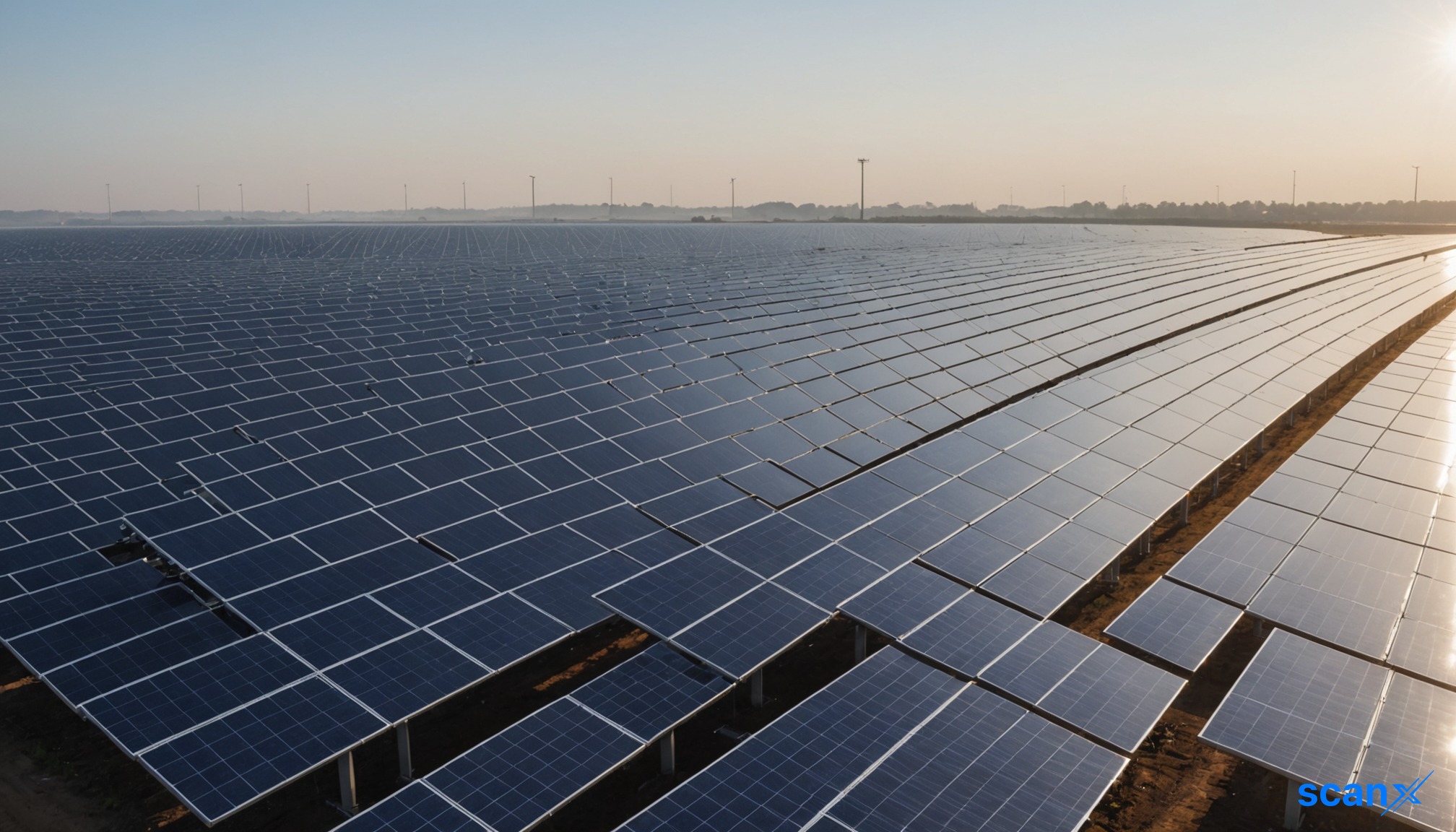
*this image is generated using AI for illustrative purposes only.
TotalEnergies SE (NYSE: TTE) stock rose nearly 2% in Monday premarket trading after the company reaffirmed its long-term growth and shareholder-return targets. The energy major outlined a strategy focusing on low-cost production expansion and significant emissions reductions through 2030.
Production and Emissions Outlook
TotalEnergies expects oil and gas production to grow by more than 3% annually on average between 2025 and 2030. This growth is supported by low-cost, low-emission projects already under development. Overall energy production is projected to increase by about 4% annually through 2030.
The company targets a 50% reduction in Scope 1 and Scope 2 oil and gas emissions from 2015 levels. Additionally, it aims to cut methane emissions by 80% from 2020 levels by 2030 or earlier.
Electricity Generation Expansion
Electricity generation is expected to grow by more than 20% annually, reaching 100-120 TWh per year by 2030. At this level, electricity would account for about 20% of the company’s energy mix.
From 2030 through 2035, TotalEnergies targets annual oil and gas production growth of 2%-3%. Electricity generation is expected to increase by 10-12 TWh annually, lifting its share of the energy mix to 25% by 2035.
Capital Allocation and Shareholder Returns
TotalEnergies plans annual net investments of $14 billion-$17 billion from 2027 through 2032. The board approved a dividend policy targeting annual dividend growth of more than 5% from 2026 through 2030.
The company plans to return at least 40% of cash flow to shareholders while reducing gearing below 10%. Gearing is expected to fall below 10% by the end of 2026. Specific buyback plans include:
- $2.5 billion in share buybacks during Q4 2026
- $2 billion-$2.5 billion in share buybacks during Q1 2027
Free cash flow is expected to increase by about $10 billion between 2025 and 2030 under current price assumptions, equating to more than $4 per share.
Strategic Projects and Portfolio
The company’s oil and gas portfolio across Namibia, Nigeria, Libya, Malaysia, Mozambique, and Papua New Guinea supports production of about 3 million barrels of oil equivalent per day through 2035. This portfolio includes more than 12 years of proven reserves.
Separately, TotalEnergies and its partners took the final investment decision for the full-field development of the Absheron gas and condensate field in the Caspian Sea. Key details for the Absheron project include:
| Metric | Phase 1 (Launched 2023) | Full-Field (Starts 2029) |
|---|---|---|
| Gas Production Capacity | 1.5 billion cubic meters/year | 6 billion cubic meters/year |
| Condensate Production | 12,000 barrels/day | 47,000 barrels/day |
| Recoverable Reserves | N/A | ~140 billion cubic meters |
Market Reaction and Analyst View
TotalEnergies shares were up 1.61% at $92.40 during Monday premarket trading. The stock trades at a price-to-earnings ratio of about 11.4.
Analyst sentiment remains mixed but generally positive on long-term fundamentals:
- Consensus Rating: Buy, with an average price forecast of $97.67.
- JPMorgan: Downgraded to Neutral on September 23.
- Piper Sandler: Maintained Neutral rating, raising price forecast to $93 from $85.
What the Numbers Show
The data reveals a strategic pivot where electricity generation growth (>20% annually) significantly outpaces oil and gas production growth (>3% annually). While hydrocarbons remain the volume backbone with 3 million boe/d capacity, the disproportionate focus on power generation suggests a deliberate shift in capital allocation toward lower-carbon assets. This divergence is critical for meeting the 50% Scope 1 and 2 emissions target while maintaining overall energy production growth of 4%, indicating that future revenue mix changes will likely favor utility-like stable cash flows over traditional commodity volatility.

How might the aggressive 20% annual growth target for electricity generation impact TotalEnergies' capital expenditure priorities relative to its traditional upstream oil and gas projects?
What regulatory or geopolitical risks in regions like Namibia, Mozambique, and Papua New Guinea could threaten the timeline for achieving the 3 million boe/d production capacity by 2035?
Given the mixed analyst sentiment and recent downgrades, what specific commodity price scenarios would be required to sustain the projected $10 billion increase in free cash flow through 2030?
 17















 Access Market Heat-map & Insights
 Create, Save & Share your Screener
 Use 200+ Screening Filters





