

Technip Energies, Alterra and Neste launch Nerea for plastic recycling


Technip Energies, Alterra, and Neste launched Nerea, a standardized modular solution for plastic chemical recycling, to enhance predictability and scale in circular plastic production. The offering combines Alterra’s proven technology, Neste’s expertise, and Technip Energies’ engineering capabilities. Global plastics production reached 431 million tonnes in 2024, driving demand for such solutions amid regulatory pressures.



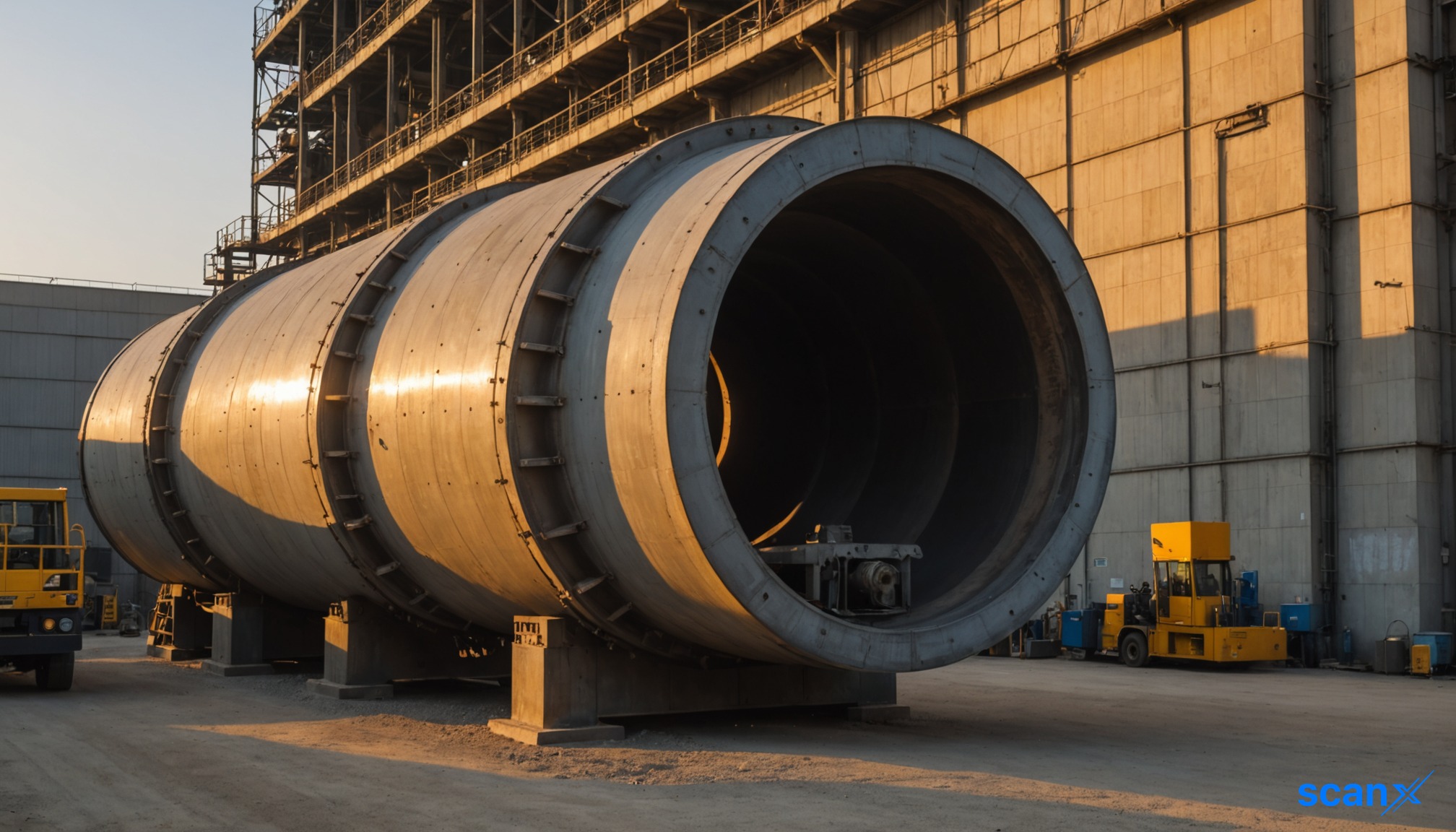
*this image is generated using AI for illustrative purposes only.
Technip Energies, Alterra, and Neste have commercially launched Nerea, a standardized modular solution designed to accelerate the deployment of chemical recycling projects for plastic waste. By transitioning from bespoke engineering to a standardized product model, Nerea enables waste operators, project developers, and refining and petrochemical players to scale circular plastic production with enhanced predictability.
Addressing Plastic Waste and Regulatory Demand
Global plastics production has nearly doubled over the past two decades, reaching approximately 431 million tonnes in 2024. Circularity rates are not keeping pace with consumption growth, resulting in significant volumes of plastic waste ending up in incinerators, landfills, or the environment. Concurrently, regulatory developments in Europe and other regions are driving stronger demand for recycled and circular feedstocks.
Technology and Operational Capabilities
Nerea builds on the collaboration agreement signed by Technip Energies, Alterra, and Neste in November 2024. It integrates Alterra’s thermochemical liquefaction technology, which has demonstrated more than five years of continuous commercial operation processing real-world plastic waste streams. The solution also incorporates Neste’s chemical recycling expertise and Technip Energies’ engineering, project delivery, and modularization capabilities.
The standardized, modular design of Nerea minimizes pre-investment and reduces project complexity while providing greater certainty in terms of cost and schedule. Designed for rapid deployment across various industrial environments, the Nerea plant converts heterogeneous and hard-to-recycle plastic waste into high-quality feedstock for the petrochemical industry.
Management Commentary
Julie Cranga, SVP Carbon Capture & Circularity Product Line at Technip Energies, stated that the company is bringing together proven technology, feedstock expertise, and industrial delivery in a standardized offering ready to deploy at scale. She emphasized that Nerea offers customers greater predictability and performance in development, investment, and operations phases to accelerate chemical recycling worldwide.
Fred Schmuck, Chief Executive Officer at Alterra, noted that Nerea reflects a shared vision to make circular solutions easier to deploy at an industrial scale. He highlighted that combining proven technology, industrial expertise, and a standardized delivery model helps reduce barriers that have traditionally slowed the growth of chemical recycling.
Lars Peter Lindfors, Senior Vice President Technology & Innovation at Neste, pointed to the company’s recently started upgrading unit at the Porvoo, Finland refinery, which is the world’s largest by capacity. He expressed Neste’s readiness to support industry scale-up with robust technology to meet increasing demand for liquefied waste plastic.
Company Profiles
| Company | Key Details |
|---|---|
| Technip Energies | Generated revenues of €7.2 billion in 2025; listed on Euronext Paris. |
| Neste | Revenue stood at EUR 19.0 billion in 2025; world’s leading producer of renewable diesel and sustainable aviation fuel. |
| Alterra | Developer and licensor of thermochemical liquefaction process technology; operates a full-scale continuous plant in Akron, OH. |

How will the cost-competitiveness of Nerea's standardized modules compare to emerging mechanical recycling advancements?
What specific regulatory milestones in Europe and Asia are expected to drive the immediate adoption of this technology?
Could this modular model be adapted beyond plastic waste to process other challenging waste streams, such as textiles or rubber?
 19
19






 Access Market Heat-map & Insights
  Create, Save & Share your Screener
  Use 200+ Screening Filters





