

Partners form Rebound JV to produce 160,000 tons of SAF in France


Technip Energies, Airbus, Safran and Tereos have agreed to create Rebound, a joint venture to develop a Sustainable Aviation Fuel production project at the Port of Dunkirk. The facility will use Alcohol-to-Jet technology to produce approximately 160,000 tons of SAF per year. The joint venture is expected to be finalised in the second half of this year.



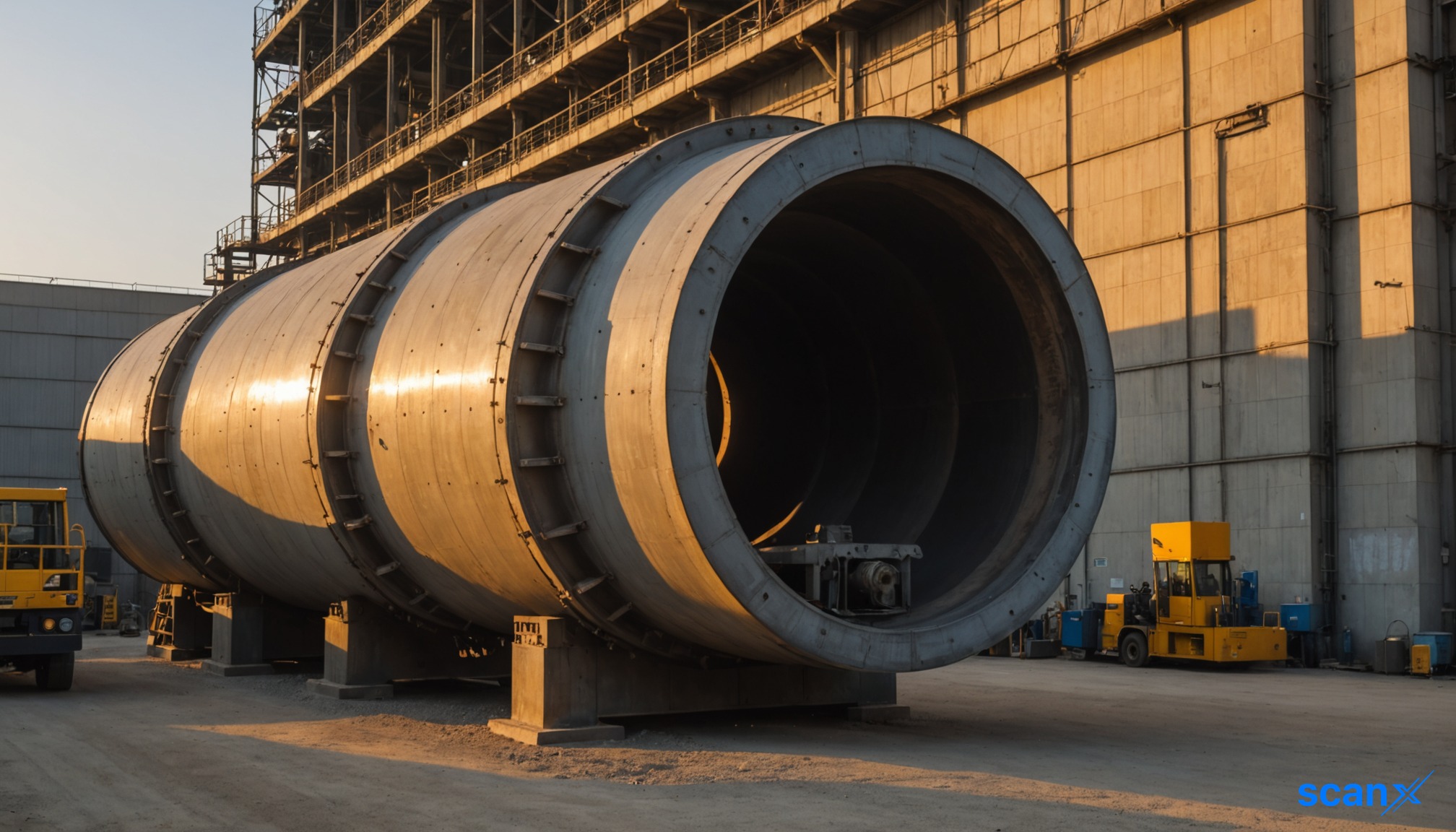
*this image is generated using AI for illustrative purposes only.
Technip Energies, Airbus, Safran and Tereos have entered into an agreement to create Rebound, a joint venture to develop a large-scale Sustainable Aviation Fuel (SAF) production project at the Port of Dunkirk in Northern France. The project aims to produce approximately 160,000 tons of SAF per year using the Alcohol-to-Jet (AtJ) technological pathway, contributing to European energy sovereignty and supporting France's industrial leadership in the energy transition.
The partners have committed to fund the project's development phase, which includes engineering studies and activities required to consider a Final Investment Decision (FID). The creation of the joint venture is subject to customary closing conditions and approvals and is expected to be finalised in the second half of this year.
Project Development and Roles
In this development phase, Technip Energies will act as the lead developer and engineering service provider, leveraging its expertise in technology scaling and complex project execution. Airbus and Safran will join as industrial partners, offtake facilitators and potential SAF offtakers. Tereos, a French agricultural cooperative and European leader in ethanol production, intends to supply and source the advanced ethanol required for the project.
A key milestone has been reached with the Port of Dunkirk awarding Technip Energies an industrial site. This location offers logistical advantages for feedstock and product transport, as well as a streamlined permitting pathway.
Regulatory Context and Technology
SAF is recognised as a primary lever to decarbonise aviation. Under the European Union's Refuel EU Aviation regulation, SAF blending mandates will rise progressively, reaching 6% by 2030 and 70% by 2050. This regulation is expected to drive an eightfold increase in demand between 2030 and 2050. The Alcohol-to-Jet pathway converts advanced ethanol, produced from agricultural and forestry residues, into drop-in aviation fuel that can be blended with conventional jet fuel and used in existing engines.
Next Steps
The partners will progress through a disciplined, stage-gated development process. Upcoming steps include the selection of the technology licensor, permitting activities, the launch of pre-FEED and FEED activities, finalisation of feedstock supply and SAF offtake agreements, and securing financing for the construction of the asset.
| Partner | Role in Project |
|---|---|
| Technip Energies | Lead developer and engineering service provider |
| Airbus | Industrial partner, offtake facilitator, potential offtaker |
| Safran | Industrial partner, offtake facilitator, potential offtaker |
| Tereos | Supplier and source of advanced ethanol |

What specific financing mechanisms will the partners pursue to fund the construction phase following the Final Investment Decision?
How will the joint venture secure a consistent supply of agricultural and forestry residues to meet the 160,000-ton annual production target?
What criteria will be used to select the technology licensor for the Alcohol-to-Jet process?
 16
16





 Access Market Heat-map & Insights
  Create, Save & Share your Screener
  Use 200+ Screening Filters





