

TCPL Packaging files BRSR for FY 2025-26


TCPL Packaging Limited filed its Business Responsibility and Sustainability Report for FY 2025-26, highlighting a commitment to carbon neutrality by 2040 and a 36% increase in renewable energy consumption. The report details a turnover of ₹1,70,931.45 lakh, a workforce of 3,714, and significant ESG initiatives including FSC-certified sourcing and Zero Liquid Discharge systems.


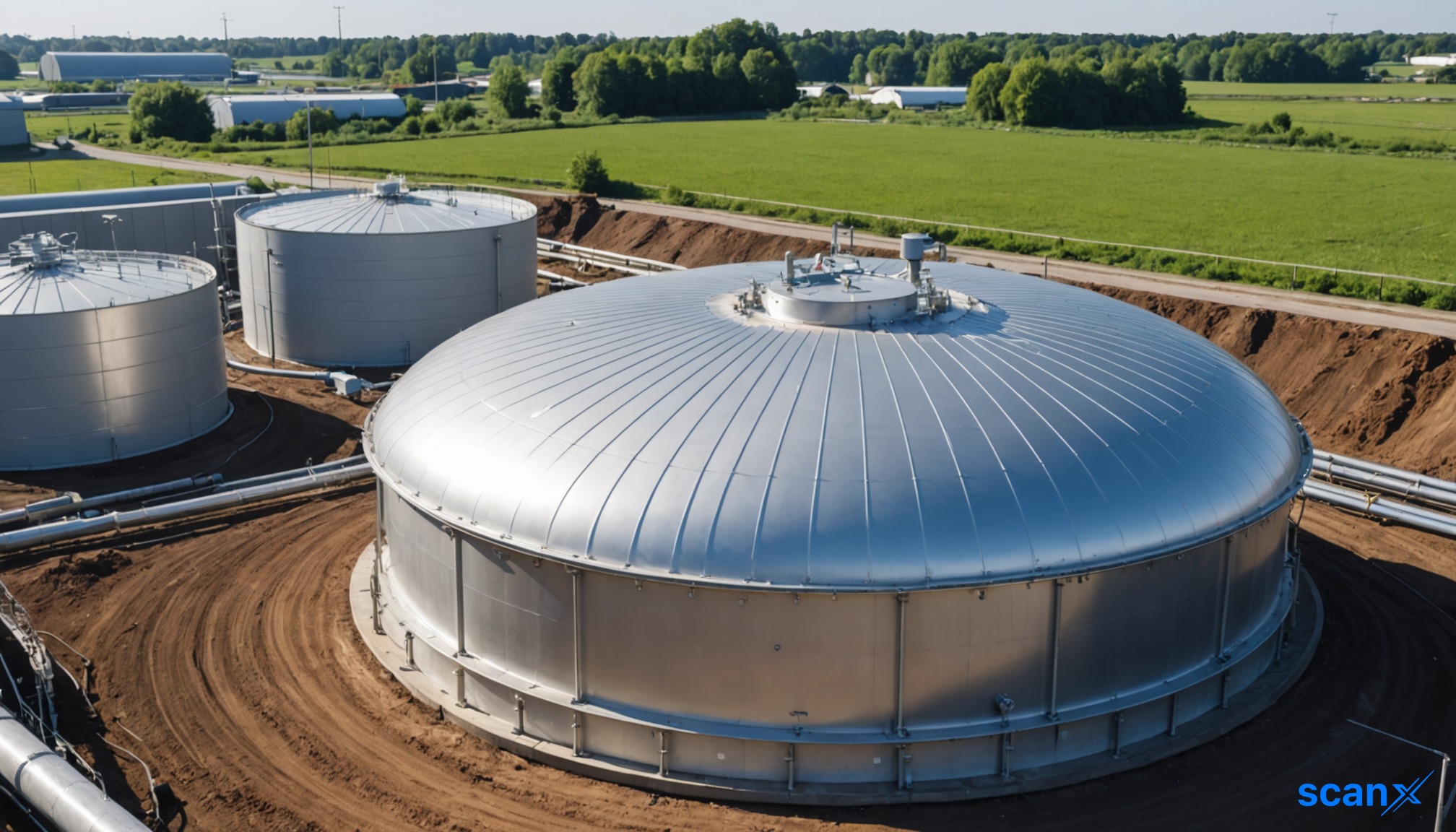
*this image is generated using AI for illustrative purposes only.
TCPL Packaging Limited has filed its Business Responsibility and Sustainability Report (BRSR) for the financial year 2025-26 with the stock exchanges. The filing, made pursuant to Regulation 34(2)(f) of the SEBI (Listing Obligations and Disclosure Requirements) Regulations, 2015, details the company's performance across environmental, social, and governance parameters. The report is also available on the company's website.
The company has committed to achieving carbon neutrality for Scope 1 and Scope 2 emissions by 2040, using FY 2023–24 as the baseline year. During FY 2025-26, renewable energy consumption stood at approximately 4,050 MWh, an increase of about 36% over the previous year. Renewable sources currently account for around 6% of the company's total energy consumption. Additionally, approximately 26% of paperboard inputs were Forest Stewardship Council (FSC) certified.
Operational and Financial Metrics
The company reported a total turnover of ₹1,70,931.45 lakh and a net worth of ₹72,006.64 lakh for the financial year. Exports contributed to over 30% of the total turnover. The manufacturing operations, which include paperboard-based packaging materials, flexible packaging products, and rigid boxes, accounted for 100% of the entity's turnover.
Employee and Workforce Data
As of the end of the financial year, the company had a total workforce of 3,714 individuals, comprising 659 employees and 3,055 workers. The workforce included 3,055 permanent employees and workers, and 659 non-permanent workers. Women constituted 7% of the total employees and 3% of the total workers. The company reported that 100% of plants and offices were assessed for health and safety practices and working conditions.
Environmental Initiatives
The company has implemented several measures to manage its environmental impact, including Zero Liquid Discharge (ZLD) systems at select facilities and the installation of biomass briquette boilers to reduce fossil fuel dependence. Waste management practices include segregation at source and routing of hazardous waste to authorised Treatment, Storage, and Disposal Facilities (TSDF). The company is compliant with applicable environmental laws and regulations in India.
Governance and Stakeholder Engagement
The company became a signatory to the United Nations Global Compact (UNGC) during the reporting year, reinforcing its commitment to responsible business conduct. It has established various policies, including an Anti-Corruption & Anti-Bribery Policy and a Supplier Code of Conduct, which extend to value chain partners. The Managing Director oversees the implementation of Business Responsibility policies, and the Board has a specified committee responsible for sustainability-related issues.
| Metric | FY 2025-26 |
|---|---|
| Total Turnover (₹ Lakh) | 1,70,931.45 |
| Net Worth (₹ Lakh) | 72,006.64 |
| Renewable Energy Consumption (MWh) | 4,050 |
| FSC-Certified Paperboard Inputs (%) | 26 |
| Total Workforce | 3,714 |
| Exports Contribution to Turnover (%) | >30 |
Historical Stock Returns for TCPL Packaging
| 1 Day | 5 Days | 1 Month | 6 Months | 1 Year | 5 Years |
|---|---|---|---|---|---|
| -1.25% | +10.88% | +12.68% | +73.32% | +28.21% | +671.44% |

What specific capital expenditures are planned to increase renewable energy consumption from 6% to meet the 2040 carbon neutrality target?
How will the company balance the cost premium of increasing FSC-certified paperboard inputs from 26% while maintaining export competitiveness?
What strategies will be implemented to improve gender diversity, given that women currently represent only 7% of employees and 3% of workers?
 18
18






 Access 50+ Readymade Screeners
  Use 200+ Custom Filters
  Get Full Market Insights





