

Takeda invests up to $30M in Indonesia plasma ecosystem


Takeda and the Indonesian Government have partnered to strengthen the country's plasma ecosystem, with the Ministry of Health granting Takeda a plasma fractionation license. The collaboration involves an initial investment of up to 30 million U.S. dollars for a two-year pilot program to establish plasma donation centers, aiming to position Indonesia as a regional hub for plasma science. The initiative, the first of its kind in the ASEAN region, focuses on sustainable plasma collection and manufacturing of PDMPs, with the first center expected to open in 2027.


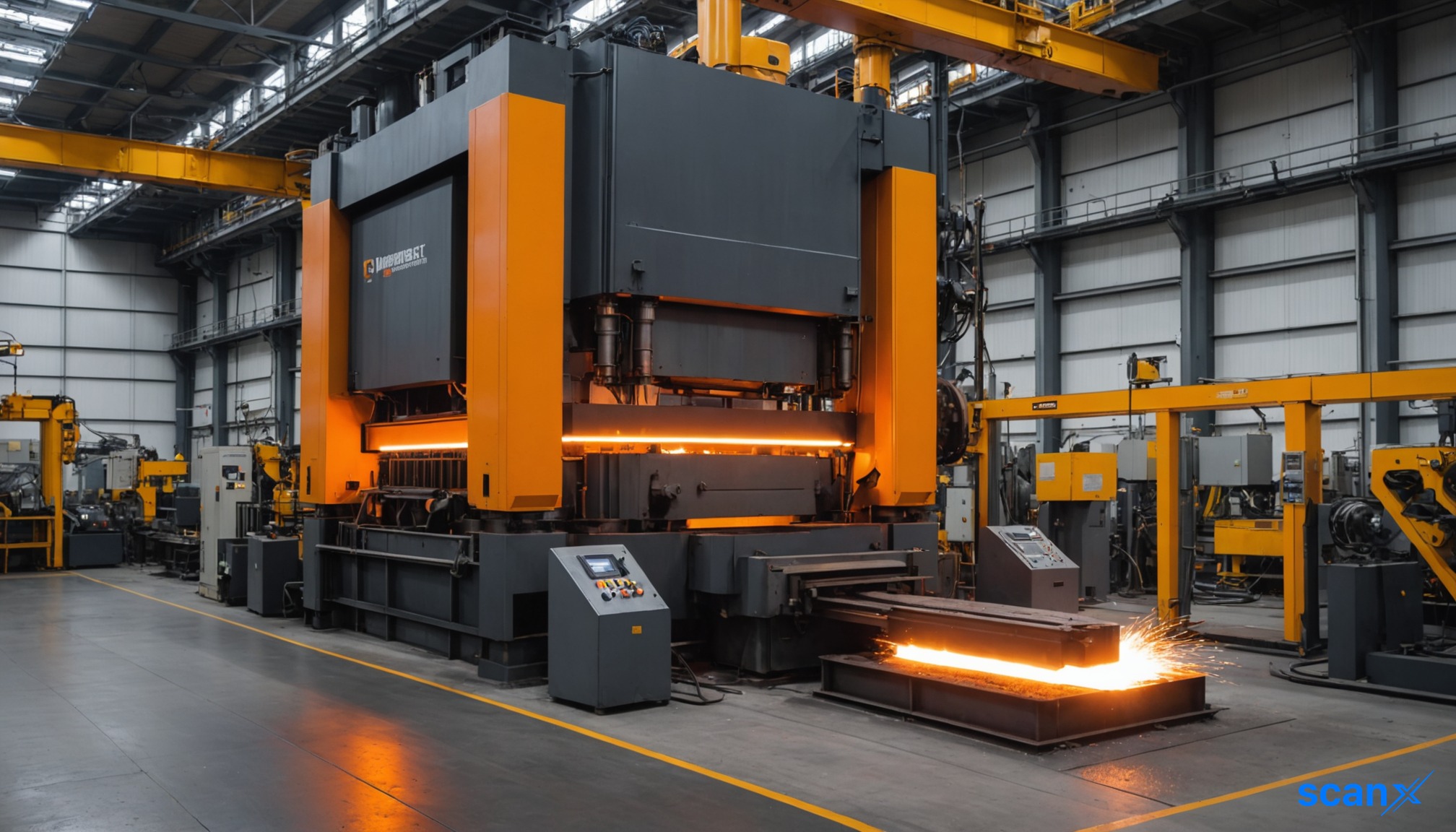
*this image is generated using AI for illustrative purposes only.
Takeda and the Indonesian Government announced a collaboration to strengthen Indonesia’s plasma ecosystem and support more equitable access to lifesaving plasma-derived medicinal products (PDMPs). The Ministry of Health (MoH) granted Takeda a plasma fractionation license, enabling the company to collect and fractionate plasma as part of a multi-phased initiative. This collaboration marks a major milestone in advancing Indonesia’s health resilience and biopharmaceutical manufacturing capabilities.
The initiative focuses on the sustainable collection of high-quality plasma and manufacturing of PDMPs at scale. It aims to position Indonesia as a regional hub for plasma science, advanced plasma collection, and biopharmaceutical manufacturing. The project is the first of its kind in the Association of Southeast Asian Nations (ASEAN) region.
Investment and Pilot Program
As part of the initial phase, Takeda will invest up to 30 million U.S. dollars in a two-year pilot program to establish plasma donation centers in Indonesia. These centers will leverage Takeda’s global plasma donation expertise and adhere to stringent international quality and regulatory standards. The initiative is expected to create new employment opportunities, including highly skilled positions for healthcare professionals and laboratory technicians.
| Initiative Detail | Description |
|---|---|
| Initial Investment | Up to 30 million U.S. dollars |
| Program Duration | Two-year pilot |
| Key Objective | Establish plasma donation centers and evaluate feasibility |
Strategic Objectives
The collaboration builds on a decades-long relationship between Takeda and Indonesia. It is designed to support the reliable supply of plasma and PDMPs for patients domestically while contributing to a more resilient global plasma ecosystem. By sharing best practices in plasma collection and processing, the initiative aims to enhance patient care in Indonesia and across the region.
Future Plans
Takeda will assess the feasibility and regulatory requirements for building a state-of-the-art plasma-derived therapy manufacturing facility in Indonesia. The first plasma donation center is expected to open in 2027 and will be part of Takeda’s BioLife plasma center network. Until a local facility is established, plasma collected in Indonesia will be fractionated within Takeda’s existing global manufacturing network, with a commitment to prioritizing Indonesia’s domestic needs.

What criteria will determine the success of the pilot program and the decision to proceed with the manufacturing facility?
How will this initiative impact the pricing and availability of PDMPs for Indonesian patients compared to current imports?
Could this collaboration serve as a blueprint for similar partnerships in other ASEAN countries?
 18
18





 Access 50+ Readymade Screeners
  Use 200+ Custom Filters
  Get Full Market Insights





