

Sun Pharma secures global rights for PCSK9 inhibitor lerodalcibep


- Sun Pharma secures exclusive global rights (ex-US/China) for PCSK9 inhibitor lerodalcibep from LIB Therapeutics
- Target market valued at $3.7 billion outside US and China, growing at 38% CAGR
- Drug approved in EU as Lyrokaul; offers once-monthly dosing and ambient storage benefits

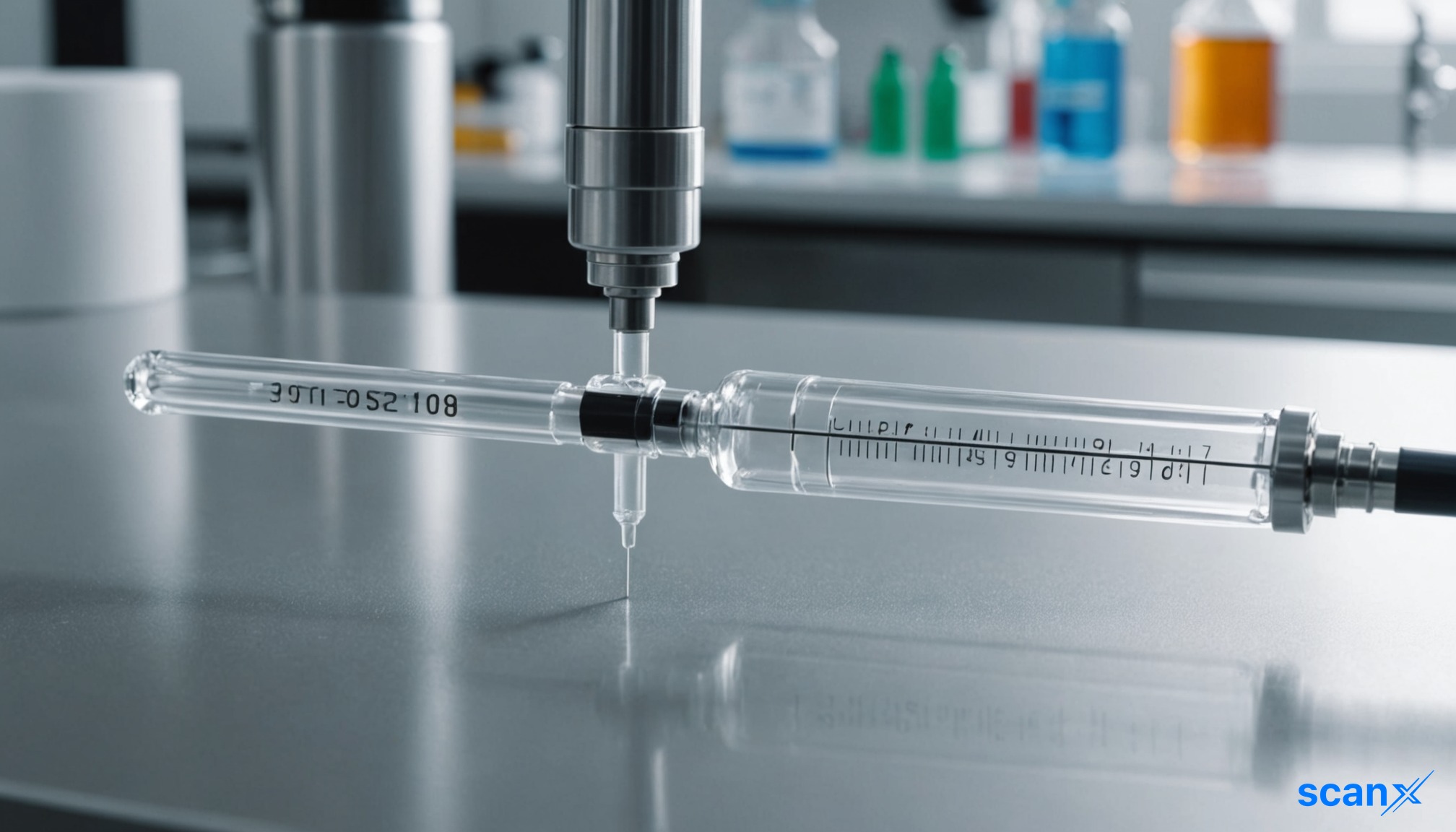

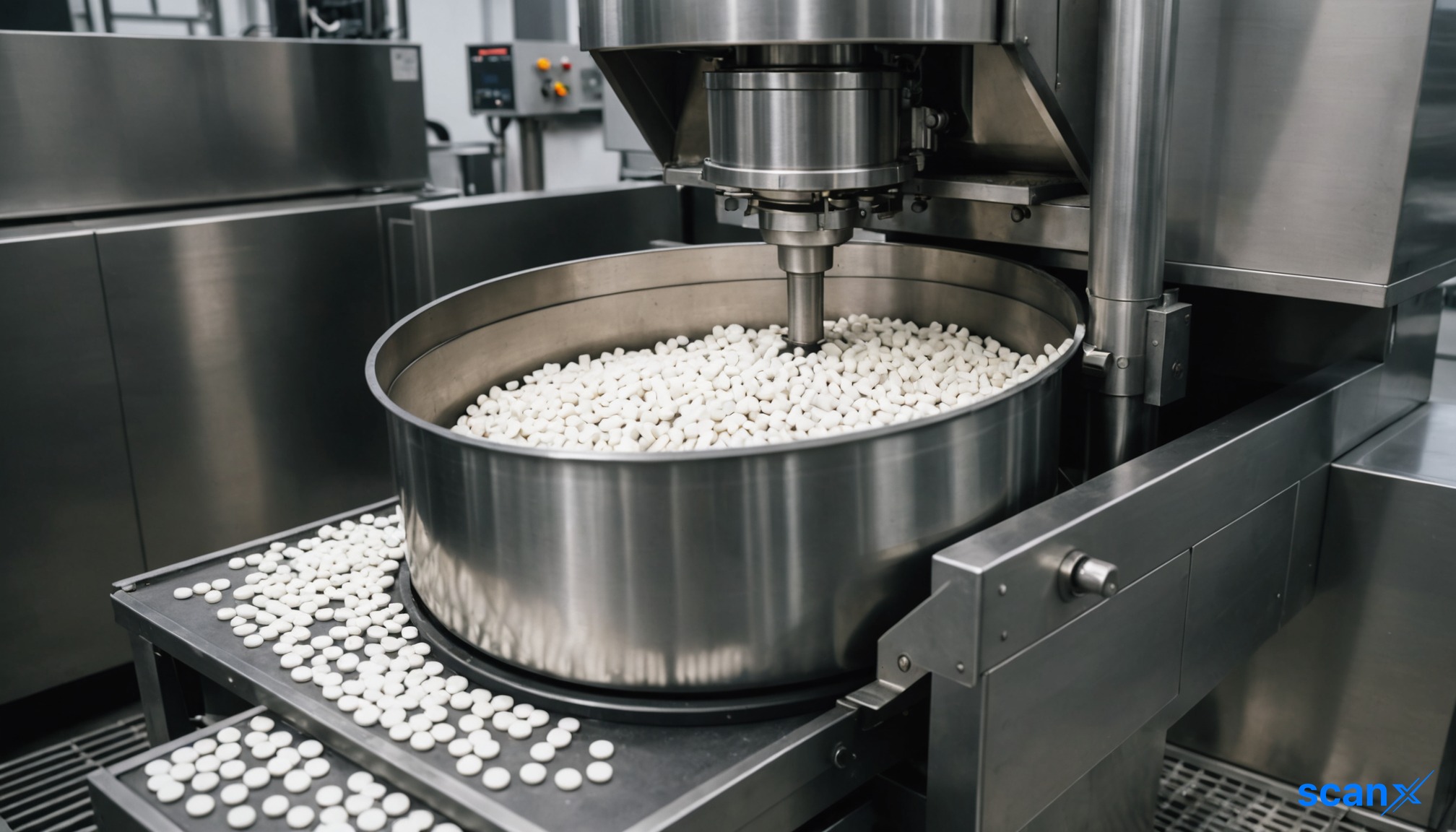
*this image is generated using AI for illustrative purposes only.
Sun Pharmaceutical Industries Limited announced an exclusive licensing agreement with LIB Therapeutics Inc. to commercialize and manufacture lerodalcibep worldwide, excluding the United States and China. The deal grants Sun Pharma access to a rapidly growing cardiovascular market valued at $3.7 billion outside the US and China.
Lerodalcibep, a once-monthly PCSK9 inhibitor for lowering LDL cholesterol, received EU approval under the brand name Lyrokaul on September 21, 2026. The drug is also approved in the US as Lerochol. Under the terms, LIB Therapeutics will receive upfront payments, future milestone payments, and royalties based on net sales in the licensed territories.
Market opportunity and strategic fit
The partnership strengthens Sun Pharma’s Innovative Medicines portfolio by entering the competitive lipid-lowering segment. According to IQVIA data cited in the release, the PCSK9 inhibitor market outside the US and China reached $3.7 billion in the period ending Q2 2026 (MAT Q2 2026). This represents a compound annual growth rate (CAGR) of 38% over the preceding two years. Europe alone accounted for $2.9 billion of this market size.
The global PCSK9 market is projected to approach $7 billion in 2026. This expansion is driven by updated guidelines emphasizing lower LDL-C targets for patients at high and very high cardiovascular risk.
Clinical profile and regulatory status
Lerodalcibep is a novel antibody-mimetic biologic administered via subcutaneous injection. Key features highlighted in the announcement include:
- Dosing: Once-monthly 300 mg/1.2 mL injection.
- Storage: Six-month ambient storage capability at room temperature (up to 25°C) after removal from refrigeration.
- Efficacy: Sustained reductions in low-density lipoprotein cholesterol (LDL-C).
- Safety: Most frequently reported adverse reactions include injection site reactions (6.7%), erythema (3.6%), and bruising (1.6%).
The drug is indicated for adults with primary hypercholesterolaemia or mixed dyslipidaemia who cannot reach LDL-C goals with statins alone or are statin intolerant.
What the numbers show
The agreement highlights a significant divergence between market growth and current treatment gaps. While the ex-US/China PCSK9 market grew at a robust 38% CAGR over the last two years, real-world data from the DA VINCI study indicates that only 33% of patients on stable oral lipid-lowering therapy achieved their LDL-C goals. This suggests substantial unmet need remains despite available therapies, positioning lerodalcibep’s convenience features (monthly dosing, ambient storage) as key differentiators for broader adoption in Sun Pharma’s licensed markets.
Historical Stock Returns for Sun Pharmaceutical
| 1 Day | 5 Days | 1 Month | 6 Months | 1 Year | 5 Years |
|---|---|---|---|---|---|
| -0.90% | -0.97% | -5.96% | +2.95% | +5.06% | 0.0% |

How will Sun Pharma's manufacturing capabilities and supply chain logistics adapt to support the global commercialization of lerodalcibep outside the US and China?
What competitive strategies might Amgen and Sanofi, current leaders in the PCSK9 market, deploy to defend their market share against Sun Pharma's entry with a once-monthly dosing option?
How might regulatory approvals in key emerging markets like India and Brazil influence the timeline for Sun Pharma to realize revenue from this licensing agreement?
 16
16








 Access Market Heat-map & Insights
  Create, Save & Share your Screener
  Use 200+ Screening Filters





